
Highlights
- Digwa’s minimum term increased from 21 to 25 years after three senior judges ruled the original sentence failed to reflect the seriousness of the murder.
- Judges said the lawful carrying of a Sikh religious blade did not reduce the seriousness of its subsequent unlawful use.
- Digwa’s mother, Kiran Kaur, has abandoned her appeal against her three-year sentence for hiding the murder weapon.
- An independent review is examining the police response to the killing and possible missed opportunities to intervene.
THE minimum prison term for the murder of university student Henry Nowak has been increased from 21 to 25 years after the Court of Appeal ruled that his killer had received an unduly lenient sentence.
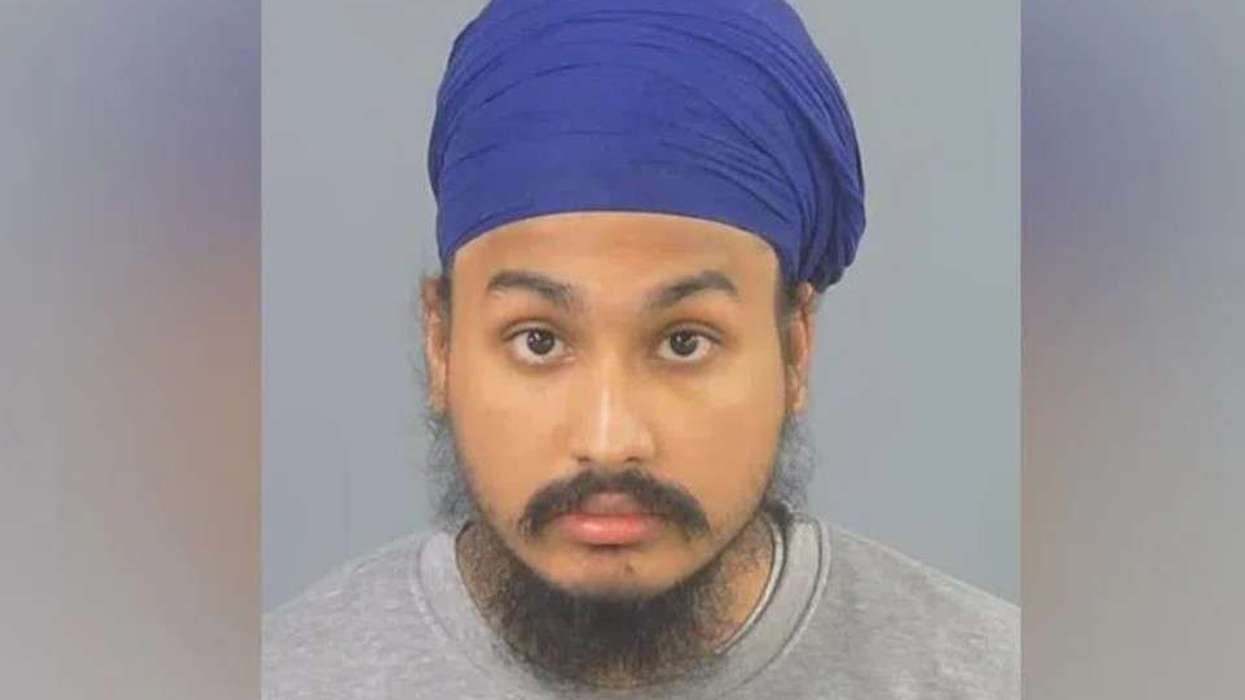
Vickrum Digwa, 23, stabbed the 18-year-old to death in Southampton in December last year using a large ceremonial dagger which he carried as a member of the Nihang order of Sikhs.
Delivering judgment on Thursday (5), Lady Chief Justice Baroness Sue Carr said the original sentence did not adequately reflect the overall seriousness of the murder, particularly the repeated use of the weapon against an unarmed victim and the cruelty that followed the attack.
She said the fact that Digwa had initially been entitled to carry the blade for religious reasons did not reduce the seriousness of his subsequent unlawful use of it.
“The fact that the knife’s initial carriage had been lawful does not reduce the seriousness of its subsequent unlawful use,” she said.
The court quashed the original 21-year minimum term and substituted a 25-year term. Judges also refused Digwa permission to challenge the length of his sentence.
The ruling followed challenges brought by the attorney general, Ellie Reeves, who argued that the sentence was too lenient, and Digwa, who maintained that it was too long.
Court distinguishes religious right from criminal use
The case has brought renewed attention to the legal exemption allowing practising Sikhs to carry bladed articles in public for religious reasons.
Sikhs are required to carry a kirpan, a small ceremonial blade, as one of the five articles of faith. Digwa also carried a larger dagger in a sheath, which the sentencing judge said was associated with his membership of the Nihang order, whose tradition includes carrying a second knife.
During the appeal hearing, Jonathan Polnay KC, representing the attorney general, argued that Digwa had abused the religious privilege afforded to Sikhs by using the weapon to carry out repeated lethal violence.
Imran Khan KC, representing Digwa, argued that carrying a knife for religious reasons should not, in itself, lead to harsher sentences for Sikh offenders.
 Henry Nowak Eastern Eye
He said the trial judge had already taken account of the dangerous weapon and the abuse of religious privilege when determining the original sentence.
Lady Carr said the trial judge had been entitled to use 15 years as the starting point because Digwa had not taken the large dagger to the scene intending to commit a crime.
However, she concluded that a substantial increase was necessary to reflect the circumstances of the killing and what happened afterwards.
False racism claim and filming of dying student
The judges identified two major aspects of the offence which they said had been understated in the original sentencing decision.
One was the repeated use of a large and readily available dagger with the intention of killing an unarmed man. The other was the deliberate cruelty, additional suffering and obstruction that followed the stabbing.
Digwa stabbed Nowak five times on December 3, 2025, as the student was walking home after a night out.
When police arrived, Digwa falsely claimed that Nowak had racially abused him and knocked off his turban. Officers subsequently handcuffed the injured student before recognising the seriousness of his wounds.
Body-worn camera footage later showed Nowak repeatedly telling officers that he had been stabbed and was struggling to breathe.
The murder sparked widespread anger and unrest in Southampton after footage of the police response emerged. Twelve officers and a police dog were injured during protests following the release of the body-worn video.
Mother abandons appeal as family faces further anguish
In a separate development on Thursday, Digwa’s mother Kiran Kaur, 53, abandoned her appeal against her three-year prison sentence for assisting an offender.
 Kiran Kaur Eastern Eye
Kaur was convicted after removing the dagger from the scene and taking it to the family home, where it was hidden in her son's bedroom.
No reason was given for her decision to abandon the challenge. She is expected to be eligible for early release in December under the government's scheme allowing qualifying prisoners serving fixed-term sentences to be released after completing a third of their term.
Nowak's parents have strongly criticised the prospect of her release.
His mother, Lucy Ross, told ITV News: “She's lucky enough that she could go and see her boy. I have to go to Henry's grave to see Henry.”
His father, Mark Nowak, described the prospect as an “absolute disgrace”, adding: “She'll be out for Christmas, and I won't have Christmas with Henry.”
Meanwhile, home secretary Shabana Mahmood has announced an independent review led by former lord chancellor Alex Chalk into the circumstances surrounding Nowak's murder, including any missed opportunities to intervene.
Investigations by His Majesty's Inspectorate of Constabulary and Fire & Rescue Services and the Independent Office for Police Conduct are also examining Hampshire Police's handling of the incident, including whether race or religion influenced officers' decisions.