
Highlights
- PM2.5 levels exceed 461 micrograms per cubic metre in parts of Delhi.
- Pollution worsens despite tighter restrictions on traffic and construction.
- Diwali fireworks are expected to add to the city's toxic air.
- Vehicles and agricultural burning remain major sources of winter pollution.
- Air pollution was linked to an estimated 3.8 million deaths in India between 2009 and 2019.
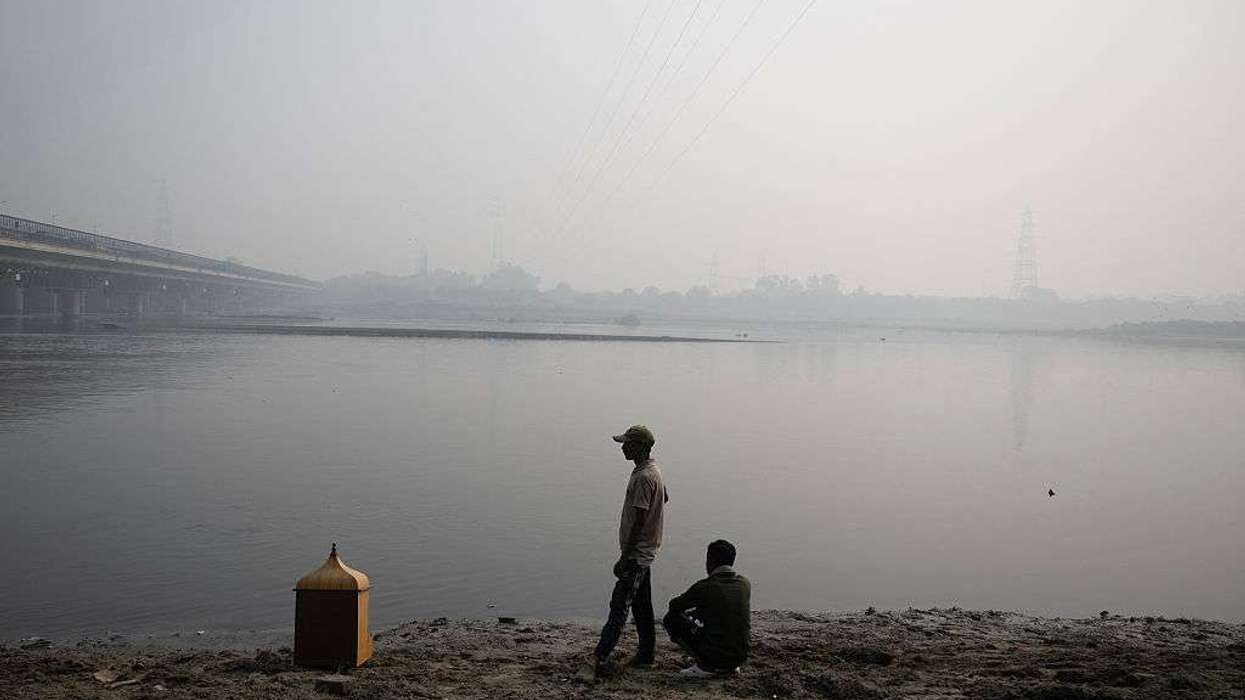
TOXIC air pollution in India's capital New Delhi surged on Wednesday (4) to more than 30 times the World Health Organization's recommended daily limit, data from air monitors showed.
The deterioration came three days after authorities tightened measures, including restrictions on traffic and construction, to curb smog in one of the world's most polluted capitals, with the wider metropolis home to more than 30 million people.
Pollution is expected to worsen ahead of Sunday's (8) Diwali, the Hindu festival of lights, when firework displays add to the already poisonous air.
The Supreme Court this month allowed limited use of so-called "green" firecrackers, designed to reduce emissions, during Diwali.
But restrictions are routinely flouted, with the city reverberating with explosions.
On Wednesday, levels of PM2.5 -- cancer-causing microparticles small enough to enter the bloodstream -- hit over 461 micrograms per cubic metre in parts of the city, according to monitoring firm IQAir.
Vehicles account for 23 per cent of Delhi's winter pollution, while biomass burning, including farm stubble fires, contributes 20 per cent, according to India's environment ministry.
Industry, including coal-fired power plants, contributes about nine per cent. The largest share, 27 per cent, comes from secondary particles, formed when gases released by vehicles, industry, power plants and biomass burning react in the atmosphere.
The formation of these particles is also fuelled by the vast quantities of fertiliser spread on fields around the capital, argues Jacob Koshy, author of a new book on pollution.
Ammonia released by fertilisers reacts with other pollutants to form secondary particulate matter.
"The sheer quantity of ammonia that is going into the atmosphere creates a base layer for other pollutants to react with," said Koshy, science editor of The Hindu newspaper and author of The Nitrogen Bomb.
A 2024 study published in The Lancet Planetary Health, a peer-reviewed research journal, estimated that 3.8 million deaths in India between 2009 and 2019 were linked to air pollution.
(AFP)