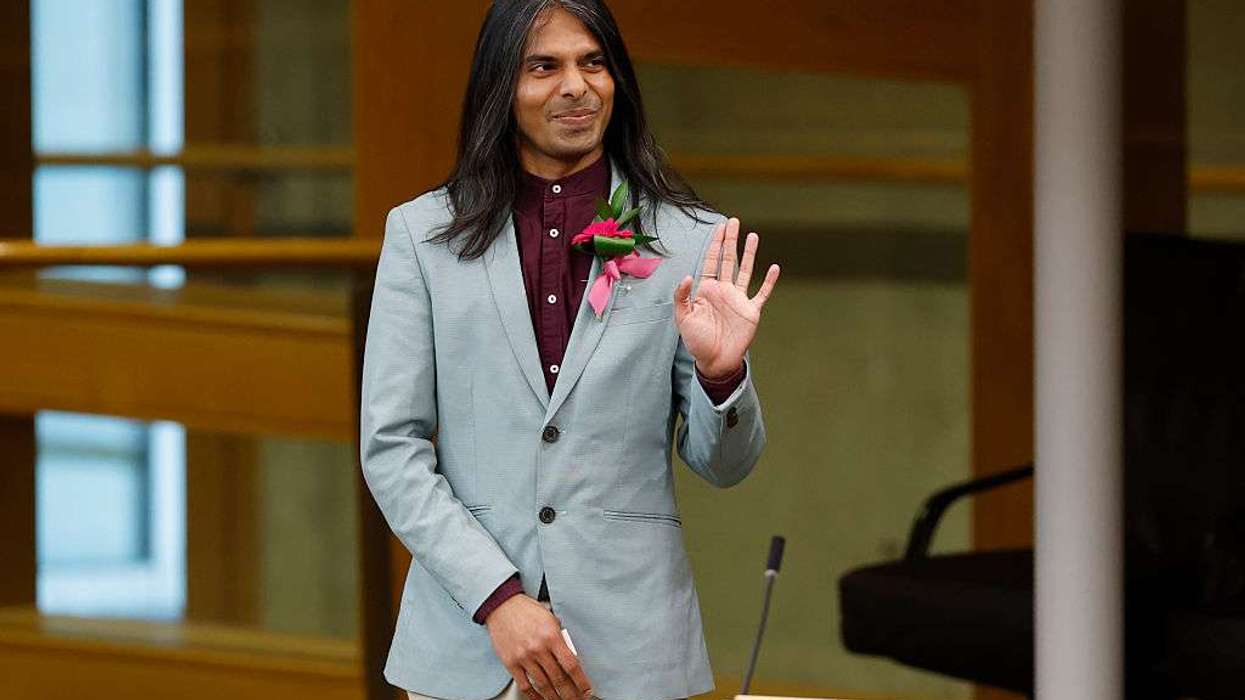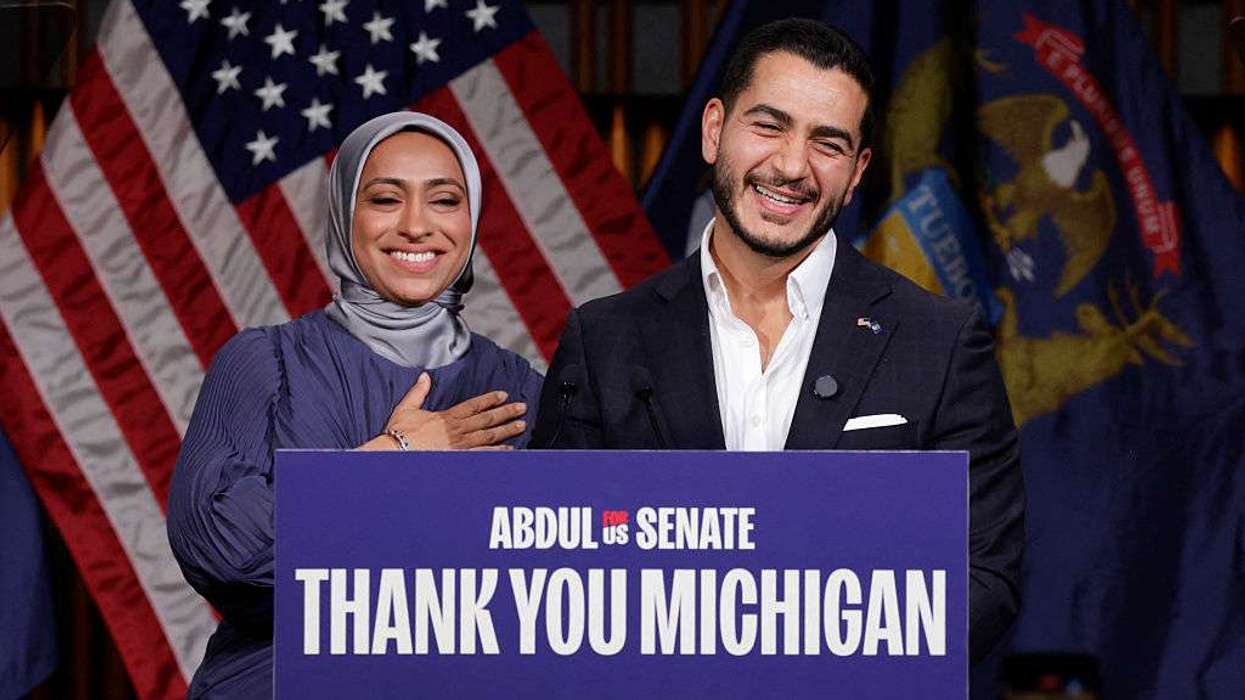

DEMOCRAT Abdul El-Sayed will be the first Muslim ever elected to the US Senate. He defeated former Republican congressman Mike Rogers in Michigan, with the Associated Press calling the race early on Wednesday (4).
"Michigan, we did it!" El-Sayed told hundreds of supporters at his election headquarters in Detroit. "I am so proud and honoured to stand here as your senator-elect from the great state of Michigan."
He takes the seat of retiring Democrat Gary Peters. He held a lead of nearly six points when US networks called the race, according to reports.
A son of Detroit with Egyptian roots
Abdulrahman Mohamed El-Sayed was born on October 31, 1984, in Rochester Hills, a Detroit suburb, to Egyptian immigrant parents. His father came to the US in the late 1970s to study for an engineering PhD at Wayne State University.
He was raised in metro Detroit by his father and his stepmother, a native of rural Gratiot County, Michigan. Both were engineers. He has described growing up in a half-Egyptian, half-Midwestern family.
He graduated Phi Beta Kappa from the University of Michigan in 2007, with degrees in biology and political science . As a medical student, he won a Rhodes Scholarship and took a doctorate in public health at Oxford's Oriel College in 2011.
He then earned his medical degree at Columbia University in New York, where he taught epidemiology. He chose public health over clinical practice. Reports note he does not hold a licence to practise medicine in Michigan.
Rebuilding Detroit's health department
In 2015, Detroit mayor Mike Duggan appointed him health director. At 30, he was the youngest health officer of any major US city at the time.
His job was to rebuild a department that had been privatised during Detroit's bankruptcy. He left in 2017 to run for governor of Michigan, finishing second in the 2018 Democratic primary to Gretchen Whitmer.
He returned to public service in 2023 as head of Wayne County's Department of Health, Human Services, and Veterans Services. He resigned in 2025 to run for the Senate. He is married to Sarah Jukaku, a psychiatrist.
El-Sayed beat Congresswoman Haley Stevens, the establishment favourite, in a bruising Democratic primary on August 4. He won narrowly, with early counts showing both on about 48 per cent. State senator Mallory McMorrow, who had suspended her campaign, endorsed him as results came in.
"We took on a machine," he said afterwards, claiming his campaign had overcome about $70 million in outside spending.
Then came the curveball. On November 1, just over 48 hours before polling day, Stevens endorsed Republican Mike Rogers at a Detroit church service. Senate Democratic leader Chuck Schumer called it a "despicable betrayal". El-Sayed said the endorsement did not matter.
His campaign leaned on unions, which lent him the machinery to reach Michigan's large organised-labour vote. He also drew big crowds in deeply Republican parts of the state.
"He's showing up in places that are not the usual prescription for the Democratic Party," said Eboni Taylor, vice-president of Higher Heights, which backs Black women seeking office.
Attacked for his name and his faith
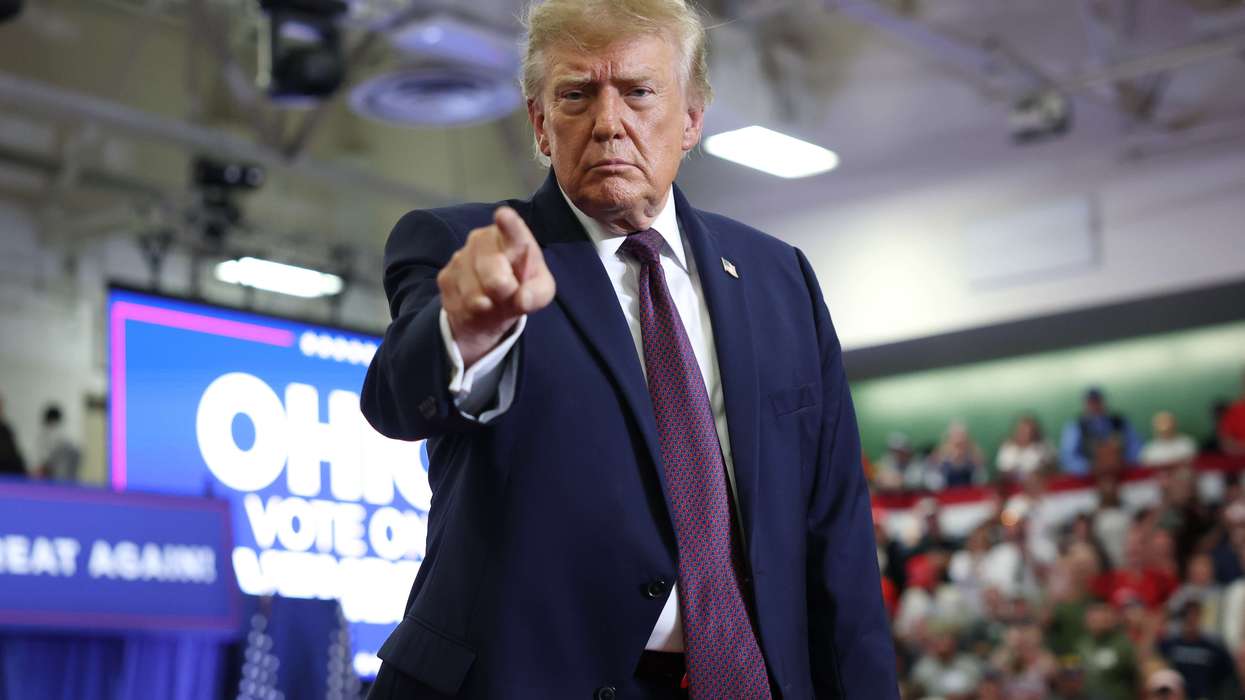
Republicans branded El-Sayed a communist and a terrorist who would endanger Americans. He faced Islamophobic attacks and mockery of his Arabic name from Trump and Vance.
At a Las Vegas rally the day after the primary, Trump called him a "communist" who "hates Jews". El-Sayed has opposed unconditional US military aid to any country, including Israel, Egypt, Pakistan and Saudi Arabia.
In his victory speech, he had a message for the vice president, who presides over the Senate: "You're constitutionally obligated to swear me in in January."
Why his win matters
A historic first - No Muslim has served in the US Senate before. El-Sayed will be the first, and will also be the first Democratic doctor in the chamber since 1969.
He won a statewide race in a battleground state after a campaign that targeted his faith and name directly.
"To see ethical Muslims be at the forefront representing us... it means everything," said Maryam Bozai, 28, at his victory party.
His primary win over Stevens was seen as a defeat for the party establishment. His general-election win suggests a left-wing economic message can carry a swing state. He is often compared to New York mayor Zohran Mamdani, the Indian American Democrat, who backed him but said he is not "in any way a mini-Mamdani".
Health care sits at the centre of his platform. He backs Medicare for All, a tax-funded national health insurance scheme.
He also campaigned on higher taxes for billionaires, stronger labour protections and getting "money out of politics". On foreign policy, he opposes unconditional military aid to any country, arguing the money should go to Michigan's health care, schools and roads.
El-Sayed will be sworn in when the new Congress convenes in January 2027, with Vance presiding as Senate president.
(with inputs from agencies)