
Highlights:
- Solicitor General refers Vickrum Digwa’s sentence to the Court of Appeal.
- Digwa was jailed for life with a minimum term of 21 years.
- Referral made under the Unduly Lenient Sentence scheme.
- Case continues to draw scrutiny over the police handling of the murder.
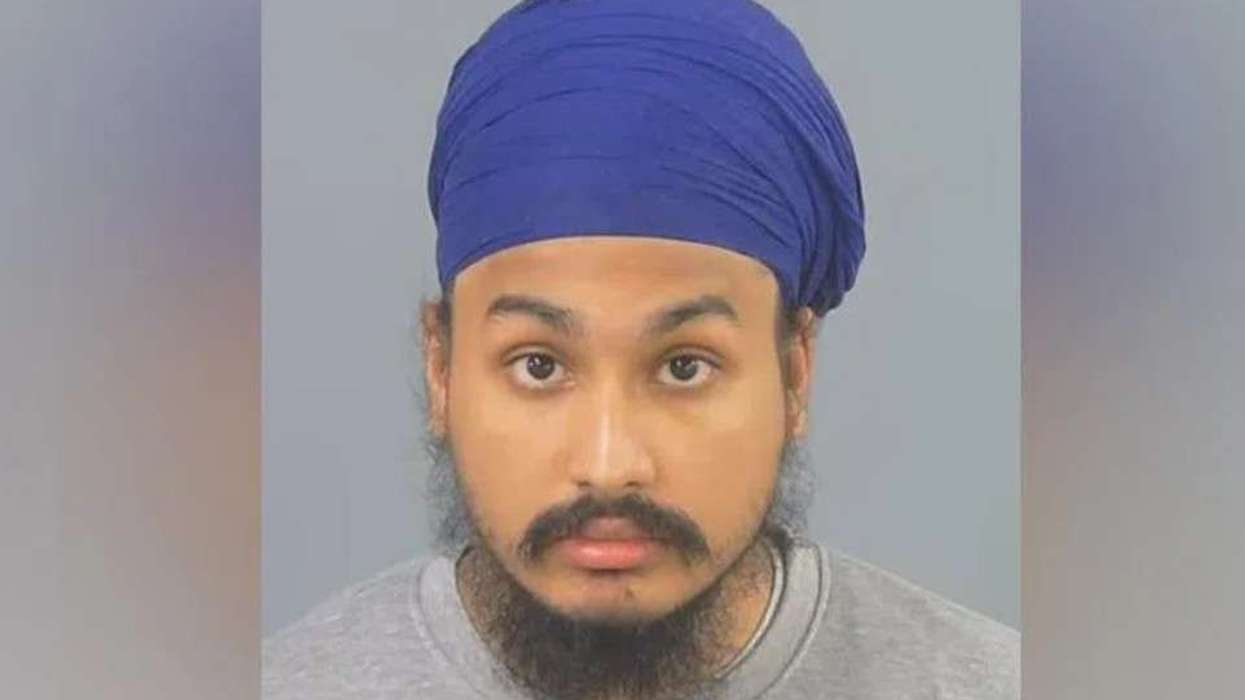
Digwa, 23, was sentenced to life imprisonment after a jury found him guilty of stabbing 18-year-old Henry Nowak to death. He was ordered to serve a minimum of 21 years before becoming eligible for parole.
The sentence is now being reviewed amid concerns that it may not reflect the seriousness of the crime.
“This case horrified me, and I know that feeling is shared by the British public," said Solicitor General Ellie Reeves.
“It is right that difficult questions need to be answered about the way the police handled Henry Nowak's murder, while my role is to review Digwa's sentence for his crimes. After careful consideration, I have taken the decision to refer this case to the Court of Appeal," she said.
British Sikh Man Jailed for Life Over Southampton Murder
“No sentence can ever undo the devastation that Henry's family have suffered, or fill the void left by his loss. But I hope this referral goes some way towards bringing them the justice they deserve," she added.
The sentence was handed down by Judge William Mousley at Southampton Crown Court earlier this month following a trial in which Digwa claimed he acted in self-defence.
Digwa said he used a kirpan, the ceremonial knife Sikhs have a legal dispensation to carry, during a confrontation with Nowak in December 2025.
During the case, British Sikh groups and parliamentarians rejected the claim and said “no religious protection or justification applied” in the case.
The case led to tensions in Southampton, with Hampshire and Isle of Wight Constabulary charging several protesters in connection with violent clashes near the crime scene.
Parallel student murders expose 'two-tier' fallacy
The force also remains under investigation by the Independent Office for Police Conduct (IOPC) over allegations of “two-tier” policing, in which one community is prioritised over another.
The investigation relates to police body-worn camera footage showing Nowak being handcuffed by officers in his final moments after Digwa made allegations of racism that were later disproved in court.
In his sentencing remarks, Judge Mousley said: "You have brought shame upon your family and your religion... Your actions have stirred up racial tension in Southampton and across the country, which have made many Sikhs worried about their safety."
There had been concerns that Digwa’s life sentence with a minimum term of 21 years was unduly lenient. Under UK law, sentences imposed by the Crown Court can be referred to the Court of Appeal if they are considered too low for the seriousness of the offence.
Law Officers in England, including the Solicitor General, have 28 days from sentencing to make such a referral. Only certain serious offences, including murder, manslaughter and rape, can be reviewed under the scheme.
Victims and bereaved families can ask for a sentence to be reconsidered for up to six months after sentencing, rather than being limited to the 28-day period.