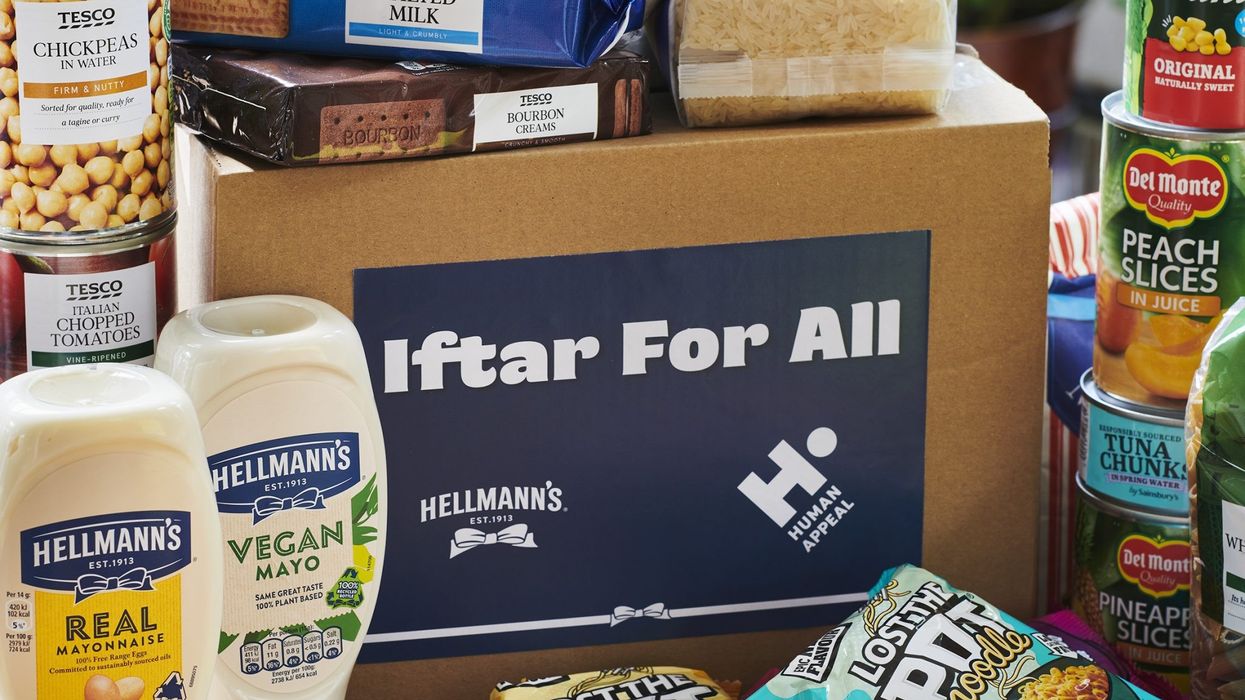

Hellmann's is offering free 'Iftar for All' food parcels in partnership with UK charity Human Appeal, to provide families in need with a week's worth of tasty Iftar meals during Ramadan.
The initiative aims to address concerns about the increased costs of food for Ramadan celebrations, with research showing that 65 per cent of people are worried about this.
The food parcels will be distributed across London, Birmingham, and Manchester and include non-perishable, halal ingredients selected by British-Bangladeshi chef and recipe developer Afia Begom of Afelia’s Kitchen, to create meals without waste.
The parcels will also feature traditional Iftar meal recipes and tips on minimising food waste.
The Iftar for All food parcels will be available for collection from 3rd April 2023 at selected beneficiary centres across the UK, facilitated by international relief charity Human Appeal.
To receive a free food parcel, people can check their eligibility by contacting one of the participating beneficiaries.
Hellmann's is dedicated to helping people savour great-tasting food without waste or concern, a press release stated.
The brand has been assisting individuals in turning basic ingredients into mouth-watering dishes for more than a century.
While Human Appeal, a non-profit organisation that operates around the world, is dedicated to strengthening humanity's battle against poverty, social injustice, and natural disasters.
The initiative aims to raise awareness about food waste and poverty, especially during celebratory periods like Ramadan, and encourage people to use up or share their food and leftovers.
Iftar for All builds on Hellmann's commitment to reducing food waste, with its previous efforts including the launch of the Fridge Night app in the UK.
Rachel Chambers, Hellmann’s brand manager, said, “We’re proud to be working with the Human Appeal to support those in need on the occasion of Ramadan this year. At Hellmann’s, we’re on a mission to reduce food waste and we know celebratory occasions can result in even more leftover foods. That’s food and money that families could be saving.
“In previous years, we’ve supported organisations like the Ramadan Tent Project and the Shahid Afridi Foundation foodbank through work with That Fat Cow. We hope this year’s initiative will really help some families across the country, whether they are sharing an Iftar meal with loved ones, or simply struggling to afford food during these difficult times.”
Speaking about the collaboration with Hellmann’s, Owais Khan, Deputy CEO at Human Appeal said, “We’re so pleased to be partnering with a power brand like Hellmann’s during Ramadan to kick-start an inclusive call to action to support those in need in the country while also raising awareness around hunger, food security and reducing food waste. Sharing food and Iftar is in the spirit of special occasions like Ramadan, and we want to show people how they can share and give back to those in need around them.”
For individuals seeking to reduce their food waste and save money during Ramadan and beyond, Hellmann’s and Human Appeal aim to educate them on how they can be more resourceful with the food they have.
They plan to achieve this by sharing budget-friendly recipes for Iftar meals and easy methods to repurpose leftovers into tasty dishes, which will be available for free on the Hellmann’s website. You can visit the website for more details.









Netanyahu faces backlash for calling Britain ‘Islamic Republic’