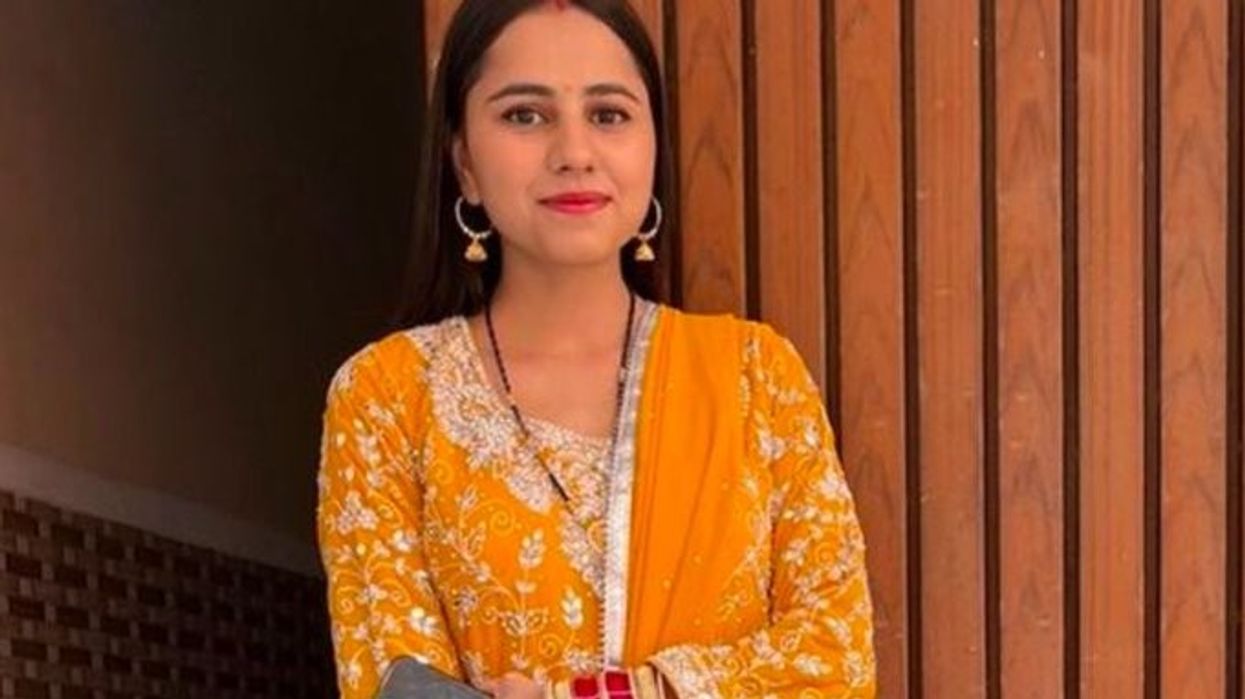

AN ASIAN solicitor and businessman has set up a fund in memory of Harshita Brella, who was found murdered in east London in November last year.
The Harshita Brella Memorial Fund, organised by Amrit S Maan OBE JP, aims to support her family as they seek answers about her death.
The body of the 24-year-old was discovered in the boot of a car in Ilford, east London, on November 14 last year.
Weeks earlier, she had told her family that her husband, Pankaj Lamba, "was going to kill her," according to her mother, Sudesh Kumari.
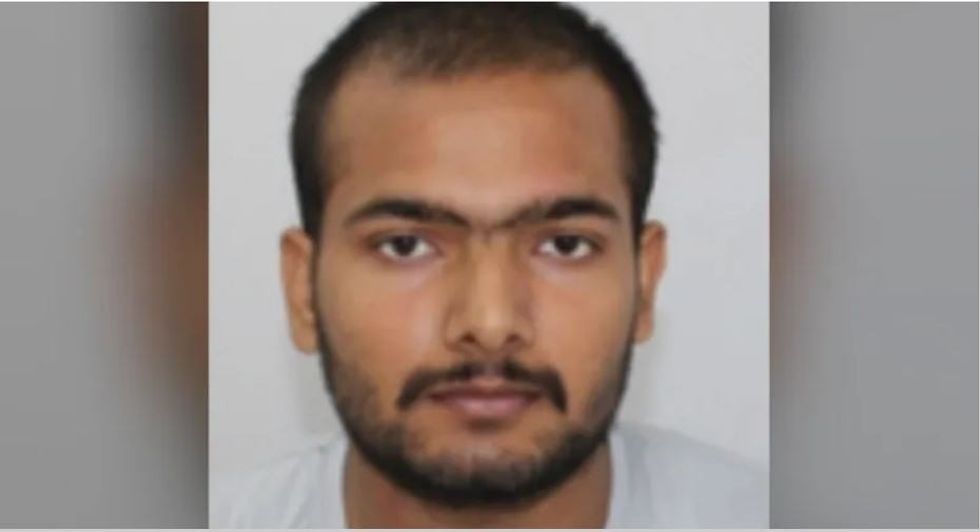 The investigation has identified Pankaj Lamba as the prime suspect, and Brella’s family in Delhi believe he is in India. (Photo: Northamptonshire Police)
The murder investigation has identified Lamba as the prime suspect. Brella’s family, who live in Delhi, believe he is in India, but claimed local authorities have been unresponsive.
Maan told Eastern Eye that Harshita’s family is struggling with the uncertainty. "They got the body in December, the cremation took place, but they want to know what happened, they need answers. They want to know hard answers, right answers. They have been kept in the dark," he said.
The Northamptonshire police has referred itself to the Independent Office for Police Conduct (IOPC) due to their previous dealings with Brella. "The police had issued a domestic violence order against the suspect," Maan said.
"Harshita’s family are in Delhi. They're scared. They believe that the suspect is in India."The Delhi high court has directed India’s Ministry of External Affairs (MEA) to appoint a nodal officer to liaise with the petitioner and UK investigation agencies, to facilitate the exchange of information and provide updates on the case.
Brella, an Indian citizen, moved to the UK after her marriage. Following her death, her family revealed that she had suffered a miscarriage just weeks earlier and had described her life in the UK as one of control and abuse.
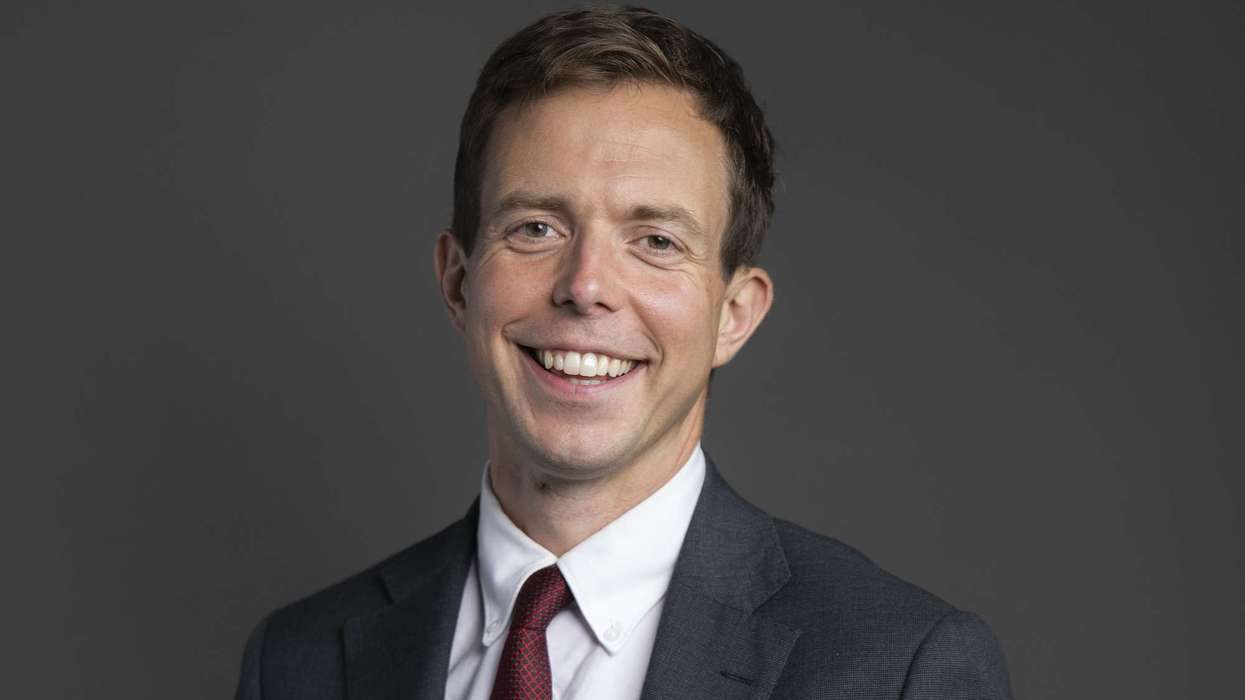
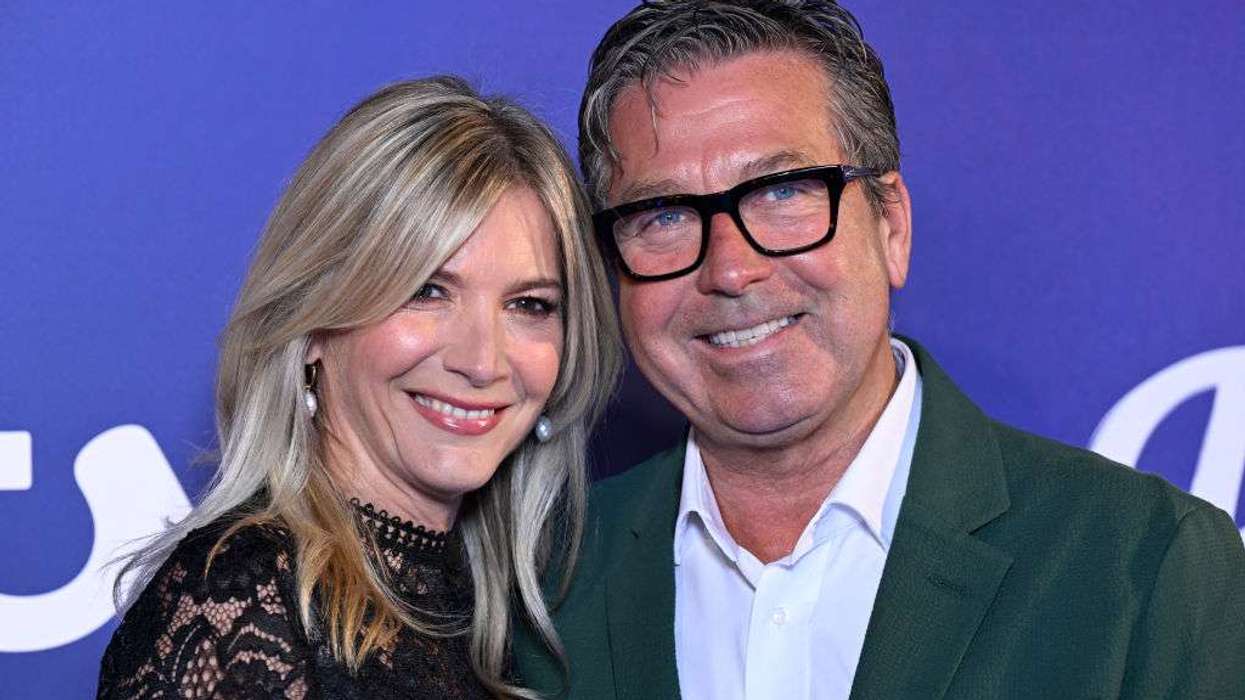
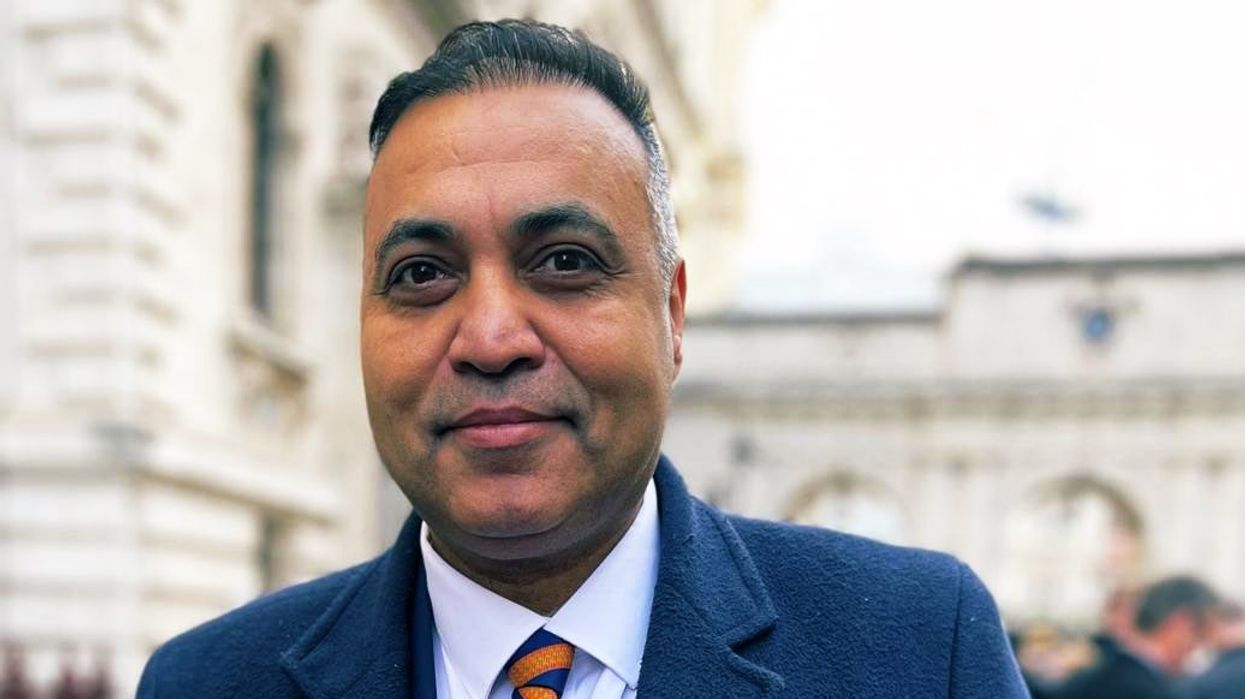 Amrit S Maan OBE JP, an Asian solicitor and businessman has set up a fund in memory of Harshita Brella. (Photo: X/@amritmaanldn)
Maan said he was approached by Brella’s family through a third party for the setting up of the fund. "They were thinking about setting up a memorial in the name of Harshita," he said.
"They were looking at ideas, and they knew there were a number of supporters, friends of Harshita. So, they reached out to me."Maan set up the GoFundMe page with the family's permission. "I'm also, just on their behalf, inquiring with the police to find answers for them," he added.
The family has received some support, but remains largely in the dark about the case, Maan said. "When Harshita was found, they had some support from the Northamptonshire police, which was basically meetings, updates online that turned from weekly to monthly. And they just had last week a quick update. But in the update, there's no new information," he said.
"They're just taking it day by day. It's devastating," Maan added, as he described the impact of the tragedy on Brella’s family.
The fundraiser has two main objectives, according to Maan. "Number one is to raise funds for a memorial in Harshita’s name. We must not forget her. That will be the decision of the family - her mother, father, and sister - what they want to do, considering maybe a plaque, or there are diverse options," he said.
"Second, they want to come to the UK. They want speak to the police and to thank their supporters. They want to go to the house where Harshita lived, to the place where the body was found. They want justice, and it's only right."
Maan noted that while there was initial outrage, public attention has faded. "Initially, there was outrage. As the days and weeks, the months have passed by, people have forgotten about Harshita. We raised just under £1,000 in a few days, but we would really want people to donate if they can," he said.
The fundraiser has now reached almost £1,100, and the aim of the memorial fund is to reach £6,500.Maan said all funds will go direct to the family.
"All the money will go straight to the family for their use. But we need more awareness, for sure, because we need to have this conversation, this public debate, about how we are looking after our young people coming from India to the UK."
According to Maan, Brella’s case raises broader concerns. "Harshita had a great future. She got married. The family did their due diligence, they did the inquiry on the boy. Everything was fine. She left her family, left her country, went to the UK, and now she's been found dead. So, we need to find out what happened," he said.
Conversations about women's safety and domestic violence must continue, Maan said.
"We need to have that conversation, that public debate, about how we treat our women and how we handle violence against women and young girls. I believe there has been an element of coercive control. We can't be sending our kids abroad with no safety," he said.
The Harshita Brella Memorial Fund remains open for donations at GoFundMe.