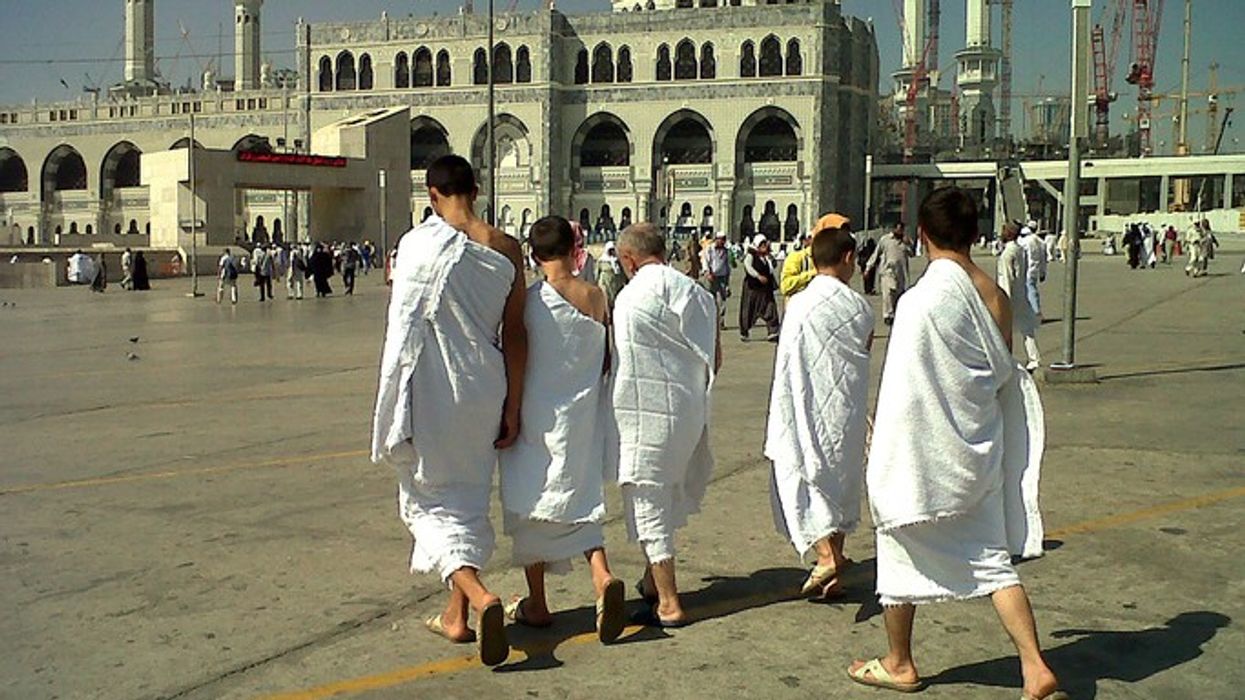

BRITAIN’s health security agency has urged pilgrims travelling to Saudi Arabia for Hajj or Umrah to get vaccinated against meningococcal disease, following a small number of recent cases in the country linked to travel.
Between February and March, five people in England and Wales developed MenW, a type of meningococcal infection, after either visiting Saudi Arabia or having close contact with someone who had, the UK Health Security Agency (UKHSA) has said.
While rare, the disease can be life-threatening and may cause severe complications such as brain damage, hearing loss or limb amputation.
Hajj and Umrah pilgrims are required to show proof of a valid MenACWY vaccination when arriving in Saudi Arabia. The certificate must be issued between 10 days and three to five years before arrival, depending on the vaccine used.
Health officials also advised that all travellers consider getting the jab due to the ongoing MenW outbreak.
Symptoms often start like flu, but may include a high fever, severe headache, vomiting, stiff neck, rash, drowsiness, or seizures. Travellers are advised to be alert for symptoms while abroad and for two weeks after returning to the UK. Anyone feeling unwell should seek immediate medical help and mention their travel history.
Dr Shamez Ladhani, a consultant epidemiologist at UKHSA, said: “The MenACWY vaccine is essential for anyone heading to Saudi Arabia for pilgrimage, especially given the recent cases. It protects not just the traveller but those around them.”
In addition to meningitis, UKHSA is advising travellers to be aware of the risk of Middle East Respiratory Syndrome (MERS). Though the risk to UK visitors is low, pilgrims should take precautions such as avoiding contact with camels, not eating raw or undercooked meat, and practising good hand hygiene, especially after visiting farms or markets.
Travellers who develop fever, cough, or breathing problems within two weeks of returning should speak to a GP or NHS 111 and mention their recent trip and any possible exposure to animals or healthcare settings in the region, a statement said.


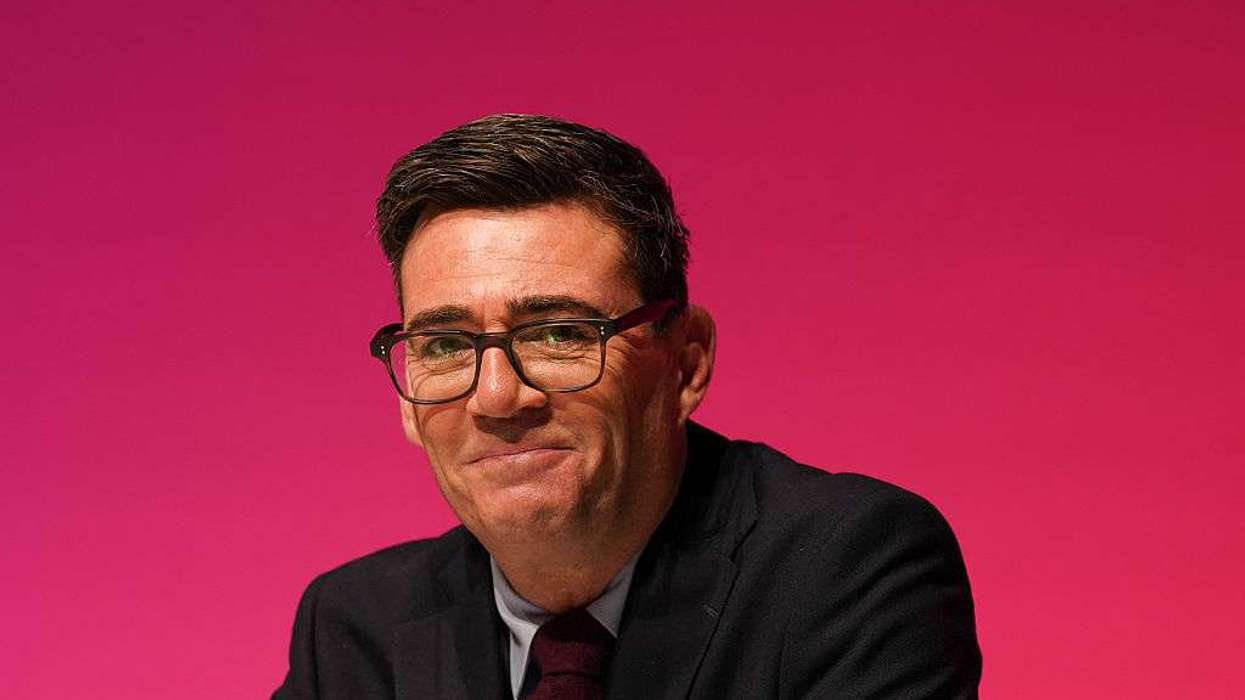 Andy Burnham attends the opening speeches on the first day of the Labour Party Conference at Liverpool Experience Campus on September 27, 2026 in Liverpool, England. (Photo by Ian Forsyth/Getty Images)

