
Highlights
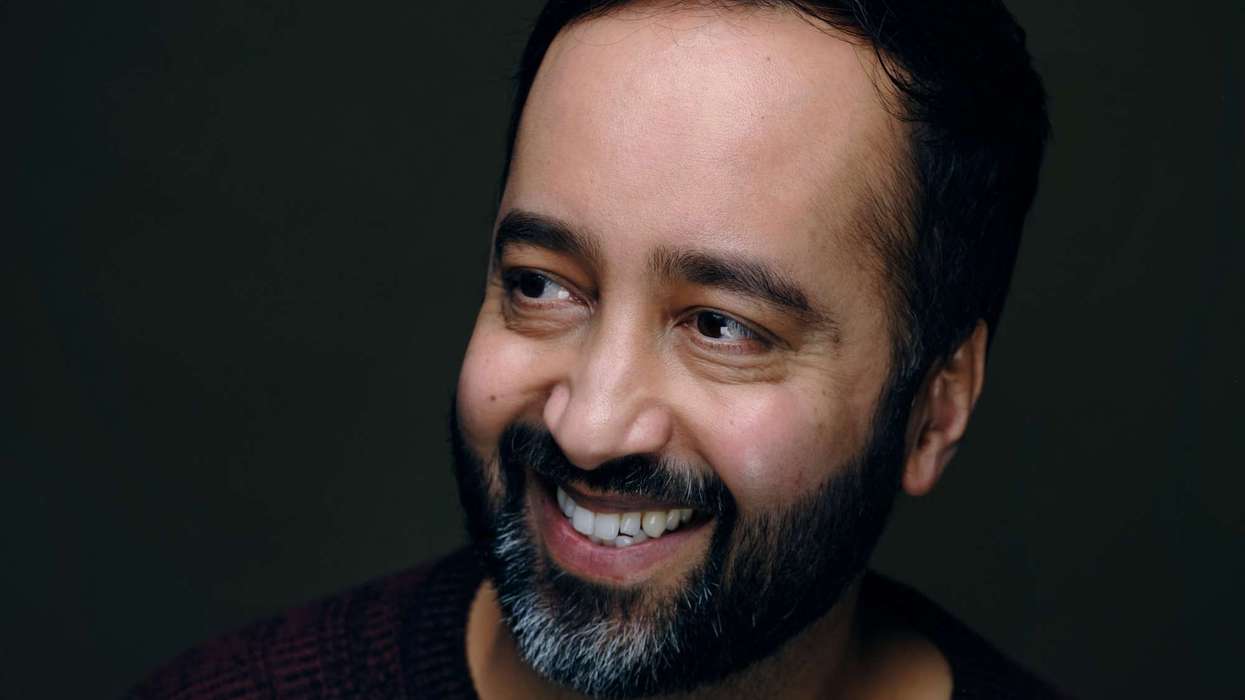
- Graham Norton has won a US court order requiring Meta to reveal information about an anonymous Facebook account.
- The broadcaster says the page spread deepfake content and false claims about his health, family and views.
- The case highlights the growing challenge posed by AI-generated misinformation.
- The ruling could offer hope to others struggling to identify those behind harmful online content.
Graham Norton's legal victory against Meta is attracting attention beyond the entertainment world. The broadcaster successfully obtained a court order in California requiring the social media giant to disclose information that could identify the operator of an anonymous Facebook page accused of spreading false claims and deepfake content about him.
According to court filings, the account published fabricated stories about Norton's health, his husband and even falsely claimed that his mother had died. While the case centres on a high-profile television personality, its wider significance lies in what it could mean for others facing similar online attacks.
Why the ruling matters
One of the biggest challenges for victims of online misinformation is identifying who is responsible. Anonymous accounts can spread damaging claims while remaining hidden behind usernames and fake profiles.
Norton's case shows that courts may be prepared to order technology companies to provide information that helps identify account operators when there is evidence of harm. For many people, this can be the crucial first step before any legal action can begin.
The ruling is likely to be watched closely by lawyers, campaigners and victims of online harassment who argue that accountability has not kept pace with advances in digital technology.
Deepfakes are no longer just a celebrity problem
The case also highlights the growing reach of AI-generated misinformation. Once associated mainly with politicians and public figures, deepfakes are increasingly being used against ordinary individuals.
Manipulated images, fabricated statements and cloned voices can spread rapidly online, creating confusion and reputational damage before victims have a chance to respond. In some cases, false content can continue circulating even after it has been disproved or removed.
As artificial intelligence becomes more accessible, experts expect concerns around identity theft, impersonation and misinformation to become more widespread.
Pressure grows on social media platforms
Norton's court victory is also likely to intensify scrutiny of how social media companies deal with misleading and synthetic content.
Meta already requires users to label certain forms of AI-generated media and says deceptive content may be removed or penalised. However, critics argue that enforcement often struggles to keep pace with the volume of material being posted.
While Norton still plans to pursue legal action against those allegedly behind the account, the ruling has already become a notable moment in the debate over deepfakes, online accountability and the responsibilities of technology platforms. For others affected by similar content, it offers a reminder that anonymity online is not always guaranteed.