
Former Indian president Pranab Mukherjee was put on ventilator support after undergoing surgery having contracted COVID-19, local media reported on Tuesday, quoting unidentified sources at the military hospital in New Delhi where he is admitted.
The reports on Mukherjee, 84, who served as president between 2012 and 2017, came as the federal health ministry once again reported a daily increase of more than 50,000 cases in the coronavirus outbreak. At least 50,000 new cases have been reported in the world's second-most populous country every day since July 30.
Mukherjee, who also led India's federal defence, foreign affairs, finance ministries over a decades-long political career, said in a Twitter posting on Monday that he had tested positive for COVID-19 while visiting the hospital for a separate procedure.
"I request the people who came in contact with me in the last week, to please self isolate and get tested for COVID-19," he said, without disclosing further details of his condition.
With more than 2.2 million confirmed infections in the pandemic, India has fewer cases than only the United States and Brazil, though it has reported a relatively low number of deaths, according to a Reuters tally.
Epidemiologists say the peak of India's coronavirus outbreak is likely weeks away, and experts fear that the country's rickety health system may buckle under the burden, particularly as infections spread deeper into the hinterland.




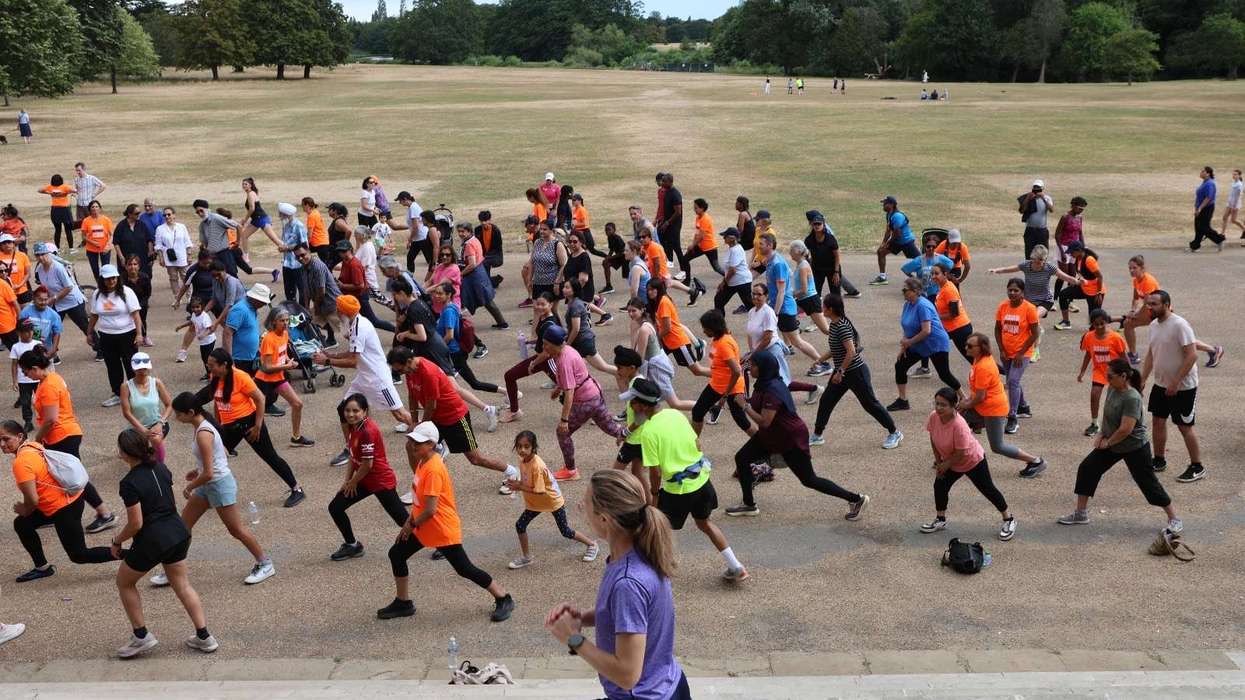
 Participants set off on the 5K and 10K routesMinreet Kaur
