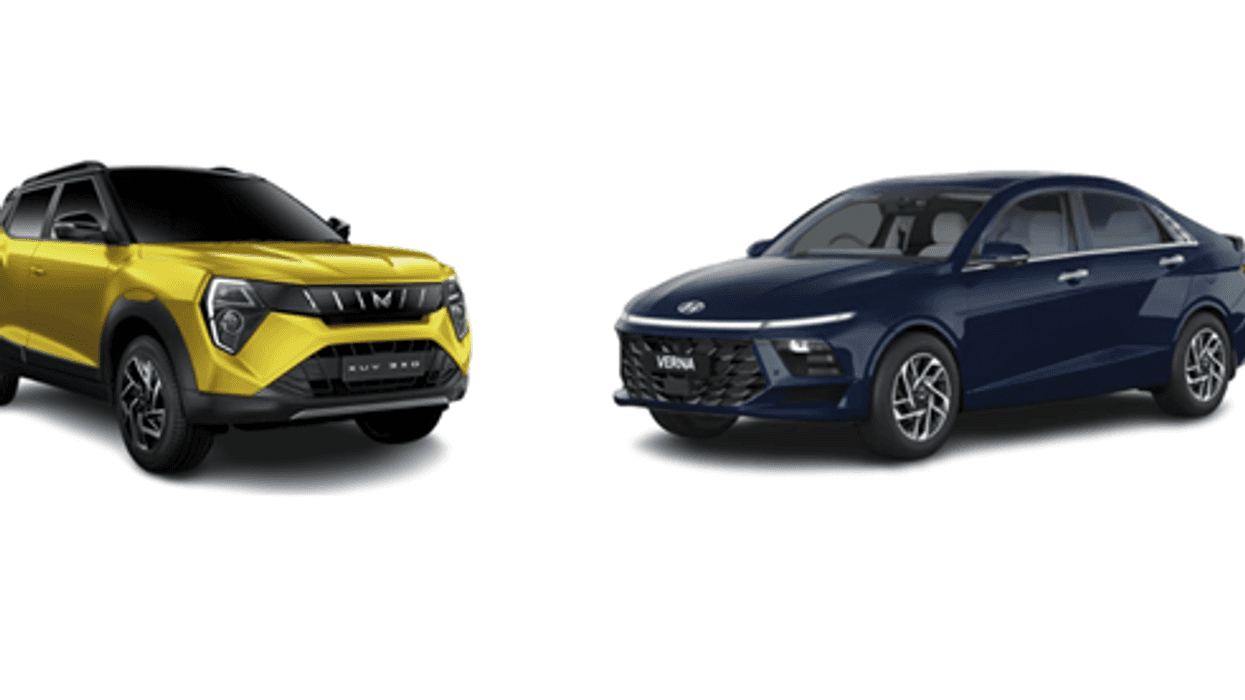

Car buying today is no longer just about specifications—it’s about priorities. Buyers are increasingly weighing form (design, style, and road presence) against function (practicality, comfort, and usability). This balance becomes especially relevant when choosing between sedans like the Hyundai Verna and SUVs like the Mahindra XUV 3XO.
Each body style represents a different interpretation of value, and understanding this distinction is key to making the right choice.
What Does “Form” Mean in Car Buying?
Form refers to how a car looks and feels from the outside. It includes:
- Design language and styling
- Road presence
- Visual appeal and proportions
SUVs have gained popularity largely because of their strong form. The Mahindra XUV 3XO, for instance, is designed with an athletic stance and a commanding road presence, giving it a bold, confident appearance.
This visual dominance often translates into perceived value, making SUVs more appealing at first glance.
The Importance of Function
Function, on the other hand, is about how well a car fits into daily life.
It includes:
- Driving comfort
- Ease of use
- Practical features
- Efficiency
Sedans like the Hyundai Verna excel in this area. With a long wheelbase, a refined cabin, and smooth driving characteristics, they are designed to deliver comfort and stability, especially over longer distances.
For buyers who prioritise usability and driving experience, function often outweighs form.
SUV Appeal: Form Meets Versatility
SUVs are not just about looks—they combine form with versatility.
The XUV 3XO offers:
- High ground clearance (around 201 mm)
- Elevated seating position
- Better visibility in traffic
These features make SUVs more adaptable to varied road conditions, which is a major advantage in real-world driving.
This blend of visual appeal and practicality is a key reason behind their growing popularity.
Sedan Strength: Function Meets Refinement
Sedans take a different approach.
The Hyundai Verna focuses on:
- Smooth ride quality
- Aerodynamic efficiency
- Stable high-speed performance
Its lower stance and balanced design contribute to a more composed driving experience, particularly on highways.
For buyers who value refinement and comfort, sedans offer a level of driving satisfaction that is hard to match.
Interior Experience: Two Different Philosophies
Modern cars in both segments offer premium interiors, but with different priorities.
The Verna provides:
- Spacious cabin with ample legroom
- Ventilated seats and premium materials
- Dual integrated digital displays
The XUV 3XO focuses on:
- Elevated seating comfort
- Wide cabin design and flexible space
- Premium features like panoramic Skyroof and connected tech
While both offer comfort, sedans emphasise refinement, whereas SUVs emphasise space and versatility.
Driving Experience: Precision vs Presence
The difference between form and function becomes most evident while driving.
Sedans like the Verna offer:
- Better handling due to lower centre of gravity
- Reduced body roll
- Smooth and stable performance
SUVs like the XUV 3XO provide:
- A commanding driving position
- Better road visibility
- Confidence on uneven surfaces
This contrast reflects two distinct driving philosophies—precision vs presence.
Practicality in Everyday Use
When it comes to daily usability, both body styles have their strengths.
SUVs are better for:
- Rough roads and speed breakers
- Mixed driving conditions
- Higher seating comfort
Sedans are better for:
- Smooth city and highway driving
- Fuel efficiency
- Easy handling at higher speeds
The choice depends on how and where the car will be used.
Buyer Psychology: What Matters More?
Modern buyers are influenced by both emotional and practical factors.
- Form appeals to emotions—how the car looks and feels
- Function appeals to logic—how the car performs and fits daily needs
Some buyers prioritise the bold presence of an SUV, while others prefer the refined experience of a sedan.
The Role of Evolving Preferences
The rise of SUVs shows that form and versatility are becoming increasingly important. However, sedans continue to evolve with better technology, comfort features, and safety systems.
This indicates that the market is not moving away from sedans—it is simply expanding choices.
Role of Digital Platforms in Decision-Making
With multiple factors to consider, online car-buying platforms like ACKO Drive help buyers evaluate cars beyond just design or specifications.
By offering insights into features, usability, and ownership costs, such platforms enable more balanced decision-making.
Final Thoughts
The debate between form and function is not about choosing one over the other—it’s about finding the right balance.
- SUVs like the Mahindra XUV 3XO offer strong form with added versatility
- Sedans like the Hyundai Verna deliver refined function with superior driving comfort
Ultimately, the best choice depends on what the buyer values more: the car itself or the experience it delivers.
In today’s market, both approaches are valid—and both continue to coexist successfully.
This article is paid content. It has been reviewed and edited by the Eastern Eye editorial team to meet our content standards.