
Charles III commemorates his first year as king today (8). Here are five pivotal moments from his first year on the throne.
- Inaugural address -
Following the death of his mother, Queen Elizabeth II at the age of 96 on September 8, 2022, Charles assumed the throne. During his inaugural televised address, he displayed visible emotion as he paid homage to her remarkable 70-year reign and vowed to dedicate his life to serving the nation.
"To my darling mama, as you begin your last great journey to join my dear late papa, I want simply to say this: thank you," he said.
Charles conferred the title of Prince of Wales to his eldest son and heir Prince William, and expressed his love for younger son Harry and his wife Meghan, who left the royal fold in 2020.
The king had been at his mother's bedside as she passed away at Balmoral in northeast Scotland, then returning to London to greet crowds outside Buckingham Palace who had gathered to pay their respects.
He toured the UK during the 10-day mourning period before his mother's state funeral on September 19.
- Christmas message -
Charles made his first Christmas address to the UK and the Commonwealth on December 25, continuing a tradition that began in 1932.
From St George's Chapel at Windsor Castle, west of London, where his mother and father Philip were laid to rest, he again thanked people for the "love and sympathy" expressed following her death.
He also hailed the "heartfelt solidarity" of Britons helping others struggling with a worsening cost of living crisis.
More than 10.6 million people watched the speech in the UK -- a record.
- Crowning glory -
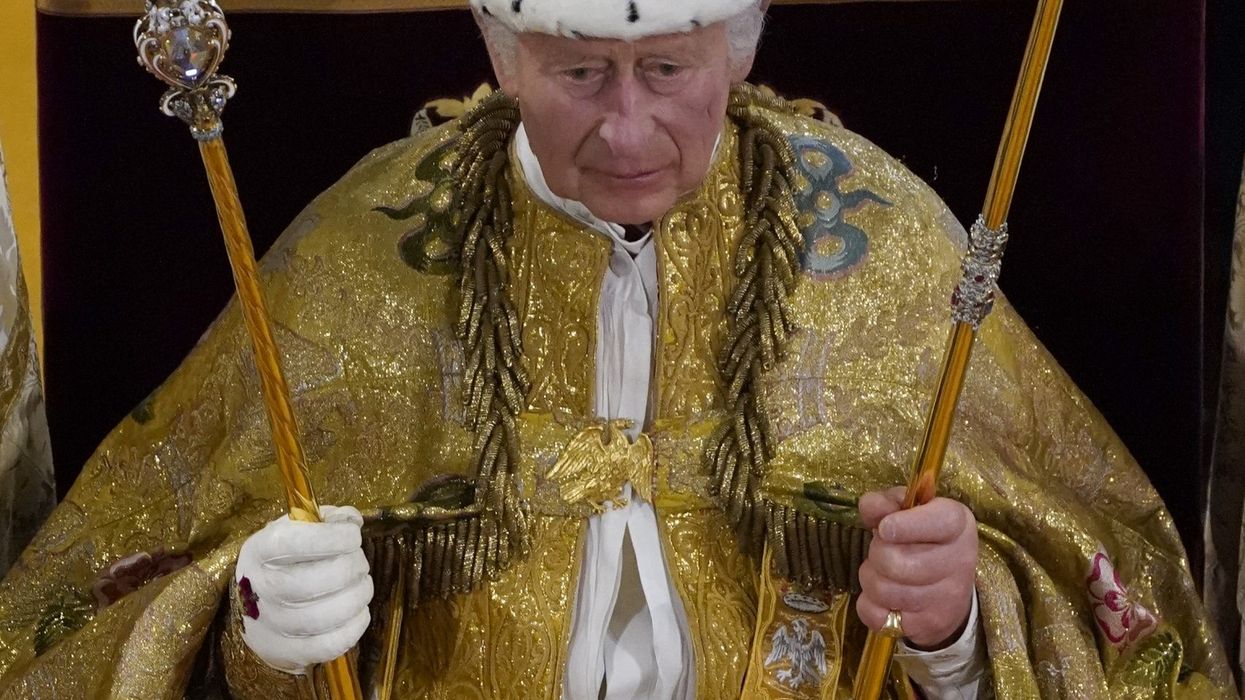
The religious ceremony to officially recognise Charles as king took place on May 6 at Westminster Abbey in central London.
The coronation was the first in Britain since his mother's in 1953 and the first of a king since 1937. Archbishop of Canterbury Justin Welby placed the golden Crown of St Edward on his head.
Most of the Christian ceremony stayed true to its ancient roots but the service was adapted to reflect the changing nature and diversity of modern Britain.
Charles's younger son Prince Harry, who in January published a tell-all memoir about royal life, played no formal role and was absent when the family greeted the public from the Buckingham Palace balcony afterwards.
- State visit -
Charles and his wife Queen Camilla had been due in France in March for their first state visit but the trip was postponed due to civil unrest across the Channel.
Instead, the couple headed to Germany, where Charles made a historic speech mainly in German at the parliament building in Berlin.
In it, he called for unity against the Russian invasion of Ukraine, and deplored the return of conflict to Europe.
The France visit has been rescheduled for later this month.
- 'Not my king' -
The death of Queen Elizabeth II provided British republicans with an opportunity to publicise their calls to abolish the monarchy.
Protesters waving placards and wearing yellow t-shirts proclaiming "not my king" have become a common sight at royal walkabouts in the last year.
At the coronation, hundreds gathered in London's Trafalgar Square and some 60 were arrested in a police operation that provoked an outcry about freedom of speech.
(AFP)




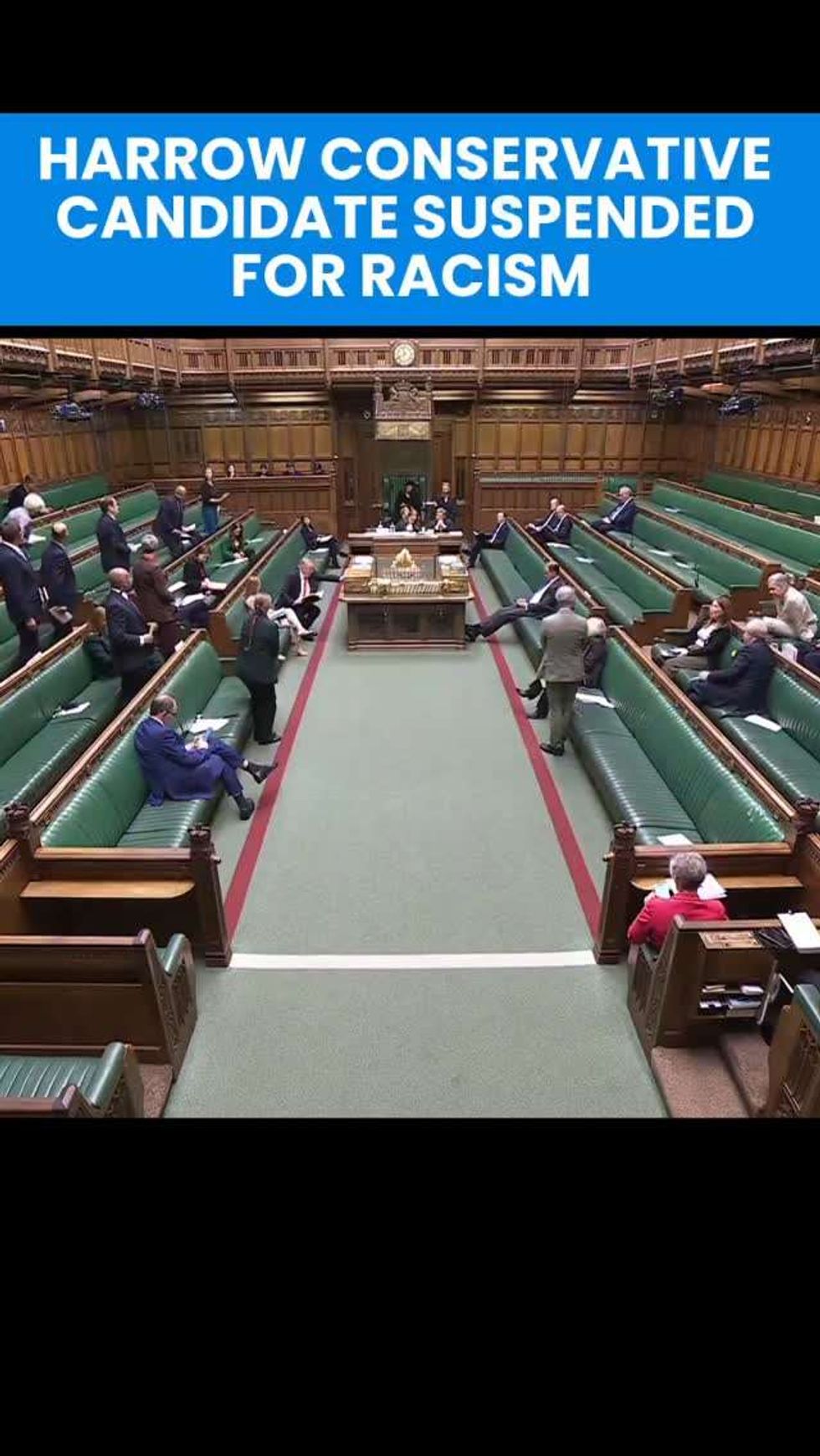 6.9K views · 135 reactions | I’m genuinely shocked and saddened by reports that Will Jackson, Conservative candidate for North Harrow in the elections next month, has told British-born Asian MPs like Rishi Sunak and Shabana Mahmood that they are “not British” and should “go back to Pakistan,” He also suggested figures like Anthony Joshua and Dua Lipa aren’t British.I have raised this important matter in Parliament today, because there is no place for racism in our politics.I’m proud of Harrow’s diverse, close-knit communities. Every candidate should seek to unite people, not divide them.This matter must be taken seriously. I welcome the Conservative Party’s statement that Mr Jackson’s comments are wholly unacceptable and their decision to suspend him.But serious questions remain about how he was selected as a candidate in the first place, and why he was considered fit to represent our community.https://bylinetimes.com/2026/04/13/conservative-candidate-tells-british-mps-to-go-back-to-pakistan/🎥 👇 | Gareth Thomas MP