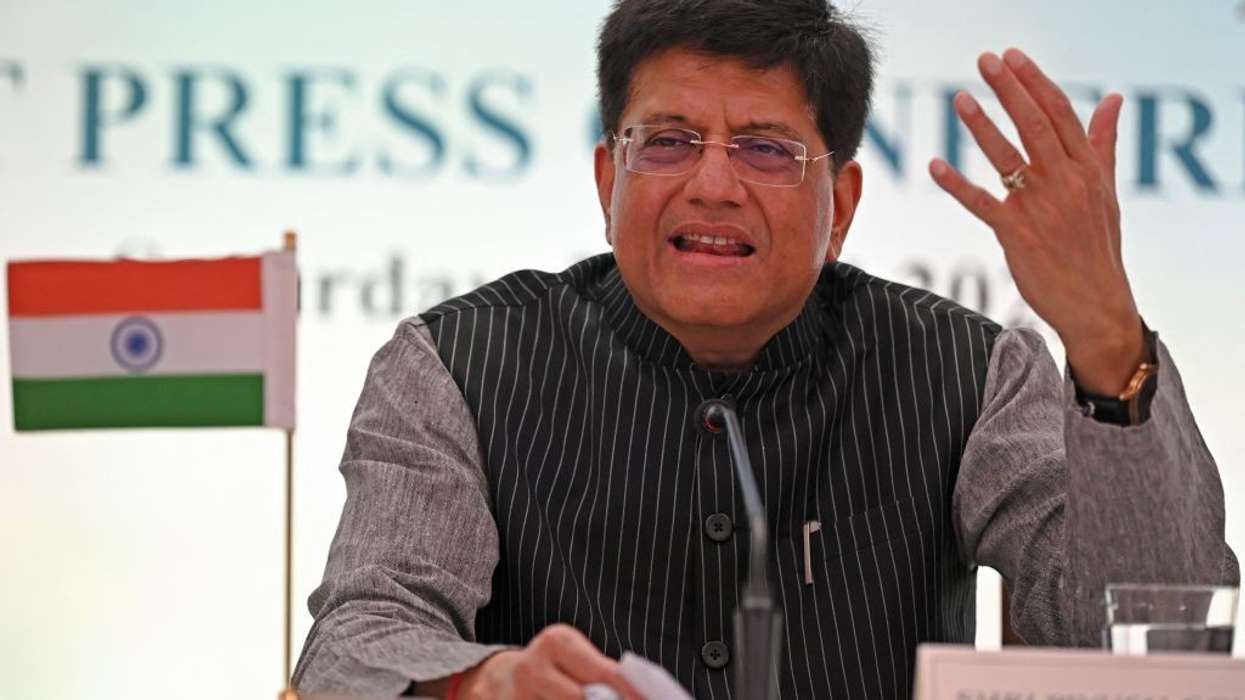

- Piyush Goyal will visit the UK from June 25 to June 27.
- Talks will focus on implementing the India-UK trade deal and worker mobility pact.
- The minister is also set to meet business leaders from HSBC, Rolls-Royce and Tata Group.
India's Commerce and Industry Minister Piyush Goyal will visit the UK from June 25 to June 27 as both countries prepare for the implementation of the India-UK Comprehensive Economic and Trade Agreement (CETA), one of the most significant trade deals signed between the two nations in recent years.
The visit comes less than three weeks before the India-UK trade deal and the accompanying Double Contribution Convention (DCC) are scheduled to take effect on July 15. Officials from both sides are expected to focus on the practical steps needed to ensure the agreements can be implemented smoothly once they come into force.
From signing the deal to making it work
While the agreement has already been signed, several operational details still need to be finalised.
Discussions during the visit are expected to cover customs coordination, regulatory alignment and the administrative systems required to support the rollout of the trade pact. Officials will also review preparations for tariff reductions that are expected to improve market access for Indian exports entering the UK.
Another key area of discussion will be the Double Contribution Convention, which aims to address the issue of dual social security payments for eligible temporary workers moving between the two countries.
The mechanism is expected to reduce compliance burdens for businesses and professionals working across both markets while supporting greater labour mobility.
Officials will also review progress on market access commitments in services sectors and examine ways to strengthen trade and investment flows between the two economies.
Business leaders enter the conversation
Alongside government meetings, Goyal is expected to hold a series of engagements with business leaders and investors.
He is scheduled to address the opening plenary session of the India Global Forum, where discussions will focus on the opportunities emerging from the implementation of the trade agreement.
The minister is also expected to meet senior executives from companies including HSBC and Rolls-Royce to discuss investment opportunities, manufacturing partnerships and industrial cooperation.
A separate business session organised by the UK-India Business Council will bring together executives from companies including Tata Group, Tata Consultancy Services, Prudential plc, De Beers and Baker McKenzie.
The meetings are expected to focus on investment opportunities, supply chain cooperation and business expansion plans that could emerge once the trade agreement takes effect.
For both governments, the next few weeks may prove crucial. After years of negotiations, attention is now shifting from securing signatures to ensuring the agreement delivers tangible benefits for businesses on both sides.