
Highlights
- UK-India free trade agreement to come into force on July 15
- India says concerns over UK steel tariff measures have been addressed
- UK estimates deal will add £4.8 billion to GDP and boost trade by £25.5 billion
- Tariffs on goods including whisky, cars, clothing and footwear to be reduced
BRITAIN and India will bring their free trade agreement into force on July 15 after India said its concerns over the UK's upcoming steel tariff regime had been addressed, clearing the way for implementation of the pact.
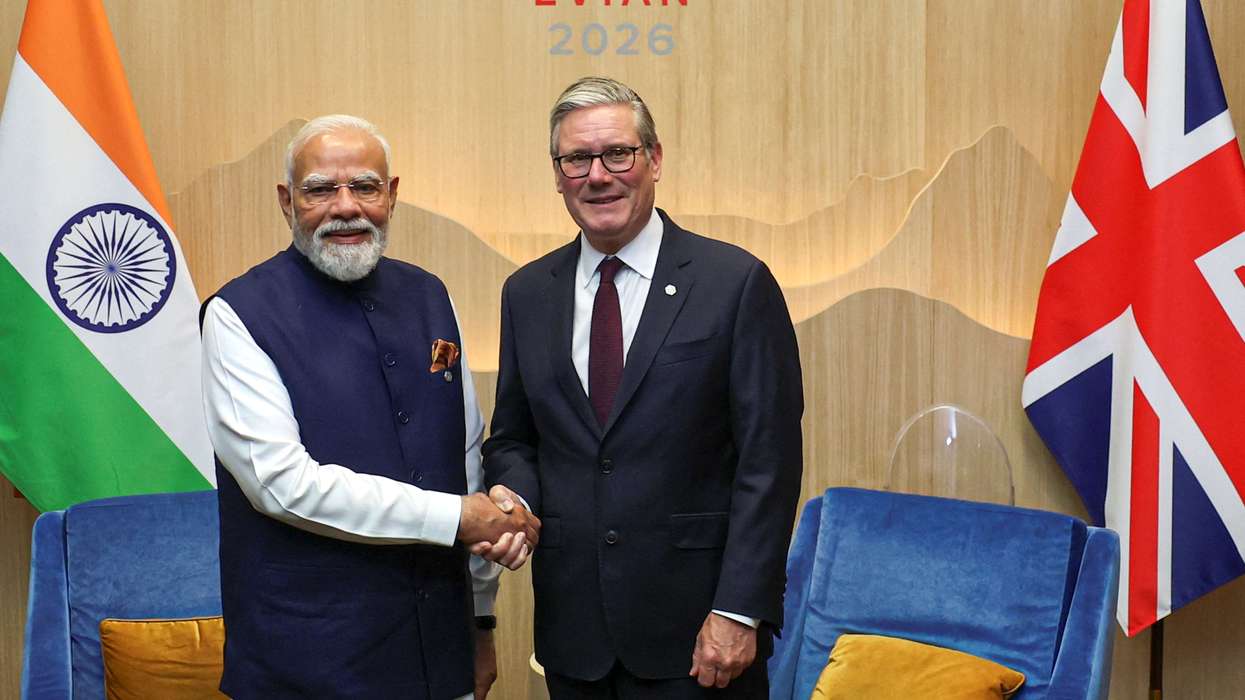
The decision was announced after prime minister Keir Starmer and Indian prime minister Narendra Modi met on the sidelines of the G7 summit in France on Wednesday. The agreement was signed last year and links the world's fifth- and sixth-largest economies.
The UK government estimates the deal will increase British GDP by £4.8 billion and boost bilateral trade by £25.5 billion in the long term.
On X, Modi described the agreement as "A historic milestone for India-UK relations," adding that it would "significantly boost our bilateral trade and investment."
India had earlier indicated it could seek to reopen or delay implementation of the agreement over concerns about new UK steel trade measures due to take effect on July 1.
Scotch whisky body calls for swift implementation of India trade deal
Britain is tightening its steel import regime to protect its domestic industry from rising global supplies. Under the new measures, tariff-free quotas for steel imports will be reduced and higher duties imposed on shipments above those limits. Details are still being finalised.
India said on Wednesday that 85 per cent of its exports would not be affected by the UK's steel measures. It added that products covered by the measures would continue to have access through quotas and other arrangements.
"Following constructive deliberations... both sides mutually agreed to protect commercial interests, minimize market disruptions, and ensure an overall balanced and stable trading environment for exporters," the Indian government said.
A British official had previously said discussions on implementing the free trade agreement were separate from the UK's steel measures. The British government's announcement on Wednesday did not refer to any separate arrangement on steel.
The agreement will take effect almost exactly one year after it was signed. Britain said this was the quickest implementation following the signing of a trade agreement. Indian officials had earlier suggested the steel issue delayed the rollout beyond May, although Britain had not set a timetable for implementation.
India, UK Work to Resolve Issues Before Trade Deal Rollout
"The deal gives British exporters an edge over international competitors," British Business and Trade Secretary Peter Kyle said in a statement.
Under the agreement, India will reduce tariffs on whisky to 40 per cent from 150 per cent by the 10th year of the deal. Tariffs on automotive imports will fall to 10 per cent under a quota from 100 per cent. Britain will reduce tariffs on products including clothing, footwear and some food items.
Britain and India have also agreed that workers on temporary postings will no longer have to make social security contributions in both countries. On Wednesday, both governments said they had extended the maximum exemption period under the arrangement to five years from three.