
Skip to content
Search

Latest Stories

Fashion brand removes Ganesha clutch bag from sale after protests, issues apology

Fashion brand removes Ganesha clutch bag from sale after protests, issues apology

A global fashion brand known for its sparkly handbags issued an apology and ceased the production of a Ganesha clutch bag with leather lining after protests by Indian diaspora groups in the UK.

Judith Leiber said its goal is to create unique handbags that celebrate different cultures and that it would replace the lining with synthetic after concerns were raised about the use of leather alongside the image of a Hindu deity, given the sanctity of the cow for Hindus.


“We are deeply sorry to hear that our Ganesh bag has caused offence to the Hindu community,” said Lela Katsune, President of Judith Leiber Couture.

“Judith Leiber’s goal has always been to create unique pieces that respectfully celebrate art, individuals and cultures. However, now that we are aware that the leather lining in the Ganesh bag contradicts the Hindu belief system, effective immediately we will be ceasing

production on this style with leather lining. Going forward, this style will be produced with a synthetic lining,” Katsune said.

The company has also offered customers who may have purchased the bag, which retails for more than £6,000 in the UK, to replace the leather interior free of cost.

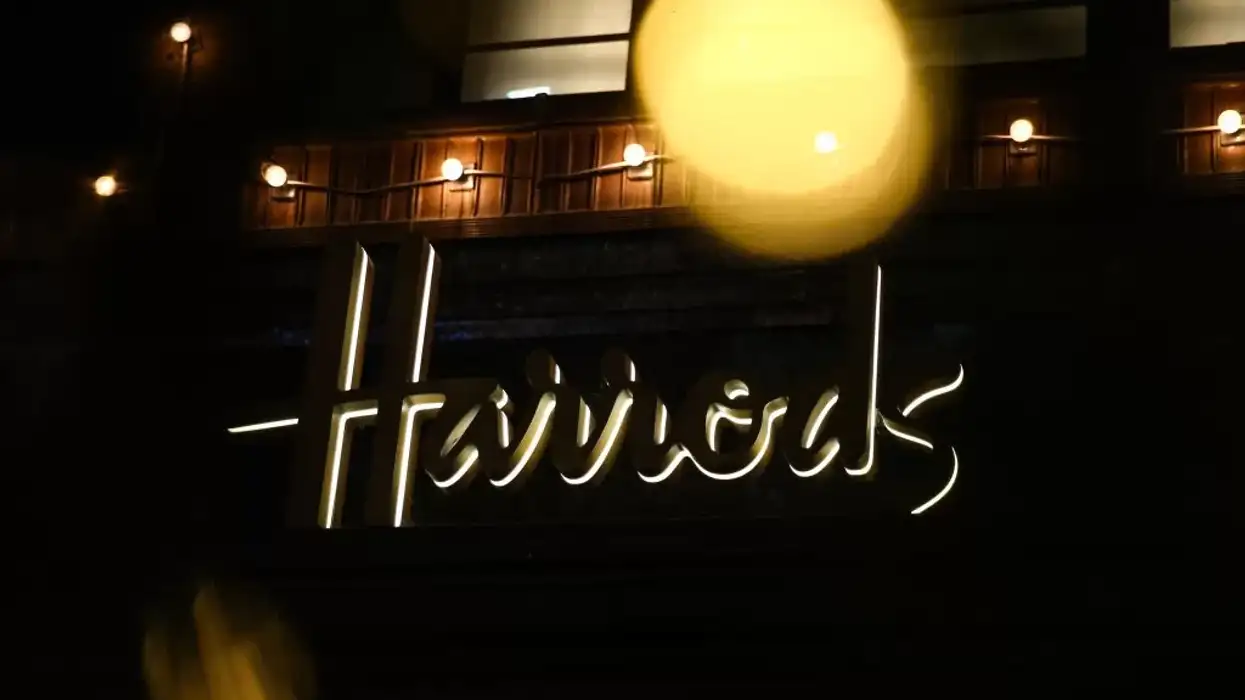
The Ganesha-styled handbag came to the attention of REACH (Race, Ethnicity and Culture Heritage) UK Chapter, a diaspora group, after the handbag was spotted on sale by the luxury department store Harrods in central London.

Harrods responded quickly by withdrawing the item and said: “Thank you for bringing this to our attention, we have removed this from sale from our site.”


More For You

homelessness

2.7 per cent of private rented properties in England are affordable for people receiving housing benefit.

Getty Images

Nearly 300,000 families face worst forms of homelessness in England, research shows

Highlights

  • 299,100 households experienced acute homelessness in 2024, up 21 per cent since 2022.
  • Rough sleeping and unsuitable temporary accommodation cases increased by 150 per cent since 2020.
  • Councils spent £732 m on unsuitable emergency accommodation in 2023/24.


Almost 300,000 families and individuals across England are now experiencing the worst forms of homelessness, including rough sleeping, unsuitable temporary accommodation and living in tents, according to new research from Crisis.

The landmark study, led by Heriot-Watt University, shows that 299,100 households in England experienced acute homelessness in 2024. This represents a 21 per cent increase since 2022, when there were 246,900 households, and a 45 per cent increase since 2012.

More than 15,000 people slept rough last year, while the number of households in unsuitable temporary accommodation rose from 19,200 in 2020 to 46,700 in 2024. An additional 18,600 households are living in unconventional accommodation such as cars, sheds and tents.

A national survey found 70 per cent of councils have seen increased numbers approaching them for homelessness assistance in the last year. Local authorities in London and Northern England reported the biggest increase.

Keep ReadingShow less