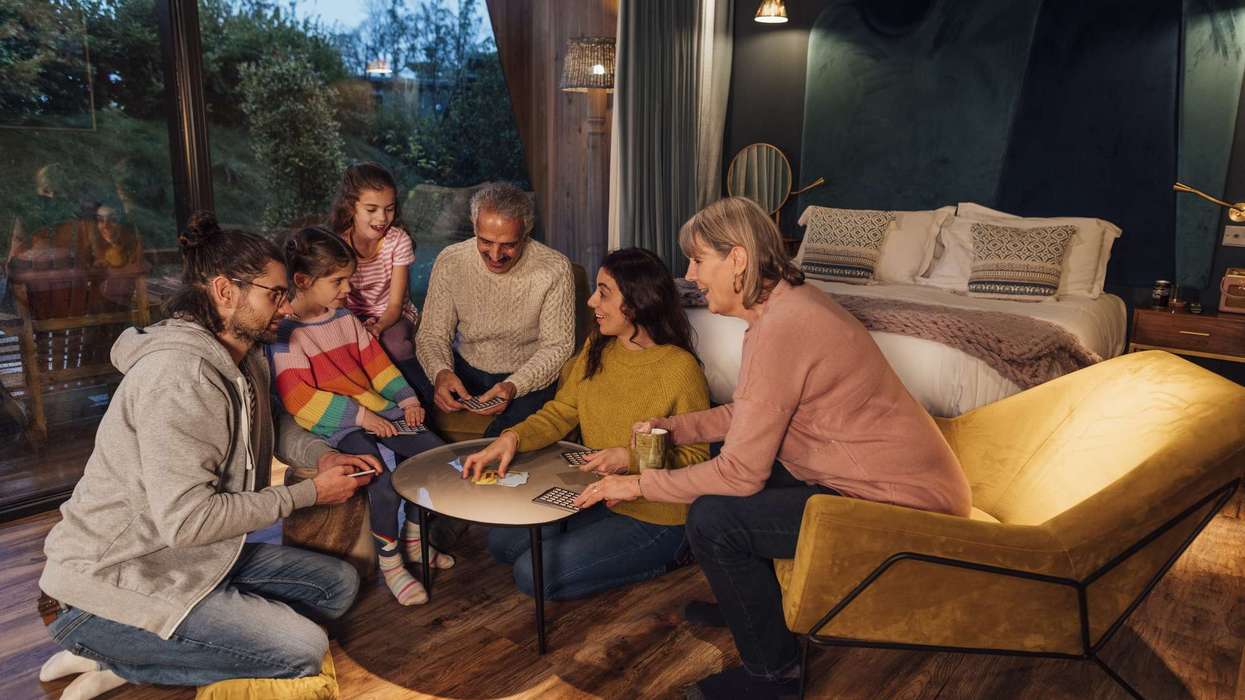

There’s a particular sort of comfort in a good get-together. Someone’s passing round plates of food, the television is on in the background, an auntie is retelling a story everyone knows but still enjoys, and a board game has somehow become far more competitive than anyone expected.
Across British Asian households and friendship groups, leisure often happens in layers. It isn’t always a formally planned event. It can be a family meal that runs long into the evening, a film watched with running commentary, a card game at the kitchen table or a group chat that keeps people connected between busy weeks.
These rituals matter because they make room for one another. They offer shared references, gentle banter and the chance to pause. For many of us, that sense of togetherness is just as important as the activity itself.
As entertainment has moved onto phones, televisions and laptops, those shared habits haven’t vanished. They’ve simply changed shape. The key is to make space for digital leisure without letting screens take over the moments that help us feel grounded.
The familiar rhythm of a shared evening
Every household has its own version of a game night. It might involve a traditional card game, a quiz, a family favourite on television or a heated debate about which takeaway to order. In some homes, storytelling is the centrepiece. Elders share memories of growing up, relatives compare family recipes, and younger adults bring fresh perspectives from work, study and city life.
What makes these evenings memorable isn’t perfection. It’s the interruptions, the jokes and the fact that people are present.
Food often plays a role too. A cup of chai, something homemade or a table full of dishes can turn an ordinary catch-up into an occasion. The meal gives everyone a reason to slow down, while the conversation does the rest.
That’s why leisure is broader than simply filling spare time. It can be a way of maintaining connection, especially when people are juggling long working hours, caring responsibilities and travel between different parts of the country.
A shared evening might include:
- Watching a drama or a sporting event together
- Playing cards, board games or quizzes
- Cooking and eating as a group
- Sharing music, family stories or old photographs
- Catching up through calls when relatives live further away
- Using digital entertainment as part of a wider social plan
The balance matters. A screen can bring people together, but it can also make everyone retreat into separate corners of the room. There’s a difference between gathering around a programme and scrolling alone while barely speaking.
Community life changes, but connection still counts
British Asian communities are wonderfully varied. They include different languages, faiths, migration histories, regional identities and family structures. Still, many adults will recognise the balancing act involved in modern life.
Work can be demanding. Commutes eat into the day. Friends may live across several cities, while relatives might be nearby one week and overseas the next. Leisure has to fit into the gaps.
That’s where digital entertainment can be useful. A film can be watched on demand after dinner. A family call can happen across time zones. Friends can arrange a quiz night without needing everyone in the same place. Even a few minutes of something light can help mark the end of a packed day.
Yet it’s worth being honest about the other side. Screens are designed to hold attention, and it’s easy to lose track of time when one episode becomes three, or when casual browsing turns into an entire evening.
I find that a small bit of intention goes a long way. Instead of asking, “What shall I watch until I fall asleep?”, it can help to ask, “What would I actually enjoy doing for the next hour?” That question makes leisure feel chosen rather than automatic.
For some people, that might mean putting on a favourite comedy. For others, it could be ringing a sibling, reading a few chapters of a book or joining friends for dinner. There’s no single right answer, only the reminder that rest and connection deserve proper attention.
Not all screen time is the same
It’s tempting to put all digital leisure in one category, but the experience can vary greatly.
Social play, passive viewing and paid digital games each ask something different from you. Being clear about those differences helps you decide what suits your mood, your time and your boundaries.
Social play
Social play is about interaction. It could be a quiz with friends, a shared puzzle, a group call or an online activity where conversation is the main event. The real value often comes from participation rather than the activity itself.
If everyone is laughing, talking and checking in with one another, the screen is doing its job as a tool for connection.
Passive viewing
Passive viewing includes television, films and streamed programmes. It can be a lovely way to relax, particularly when you’re watching with others. But it’s also the easiest type of leisure to extend without noticing.
A simple plan can help: choose what you want to watch before you begin, agree on a stopping point and keep the remote out in the open rather than letting autoplay decide the evening for you.
Paid digital games
Paid digital games are different again because they involve spending money. That means they require clearer boundaries and a more informed approach, particularly where gambling products are concerned.
For adults who choose to engage with gambling, it should never be treated as a way to solve money worries, manage difficult feelings or replace social contact. It’s an age-restricted activity with real risks, so information, limits and the ability to step away are essential.
The Gambling Commission’s guidance on safer gambling is a useful starting point for understanding the protections and choices that should be available to customers in Great Britain.
A few points to consider before gambling
Mindful leisure doesn’t mean removing all spontaneity from your life. It means having enough structure to enjoy yourself without crossing lines you didn’t intend to cross.
If gambling is part of your digital entertainment, keep this checklist handy.
- Keep it strictly 18+
- Use licensed operators
- Consider setting a spending limit in advance.
- Set a time boundary too
- Use safer-gambling tools
- Read the game information
- Know when not to play
- Further information is available from GamCare for adults seeking information about gambling support options.
These points aren’t there to spoil leisure. They’re there to keep choice in your hands.
**Responsible gambling notice:** Gambling is an age-restricted activity for adults aged 18 and over. It should be approached as paid entertainment only, with clear spending and time limits. If gambling is affecting your wellbeing or relationships, stop and seek support.
Example game information
For eligible adults reviewing game information only
Fishing-adventure themes are common in digital slot games, using familiar images such as waterside settings, boats and angling equipment. One example is Big Bass Bonanza, available through Virgin Games.
Eligible adults can review the game information for Virgin Games. Before considering any paid game, check the operator’s licence status, read the available information, set spending and time boundaries, and use safer-play controls where appropriate.
If those boundaries don’t feel comfortable, the sensible choice is not to play.
Making room for the things that last
The most satisfying leisure habits are often the simplest ones. A meal that turns into a long conversation. A programme everyone has opinions about. A call with a cousin you haven’t spoken to for months. A game night where the rules get slightly muddled but nobody minds.
Digital entertainment can sit comfortably within that picture when it is chosen with care. It can help people connect, relax and share a bit of fun. But it works best when it doesn’t crowd out the people, routines and small rituals that make an evening feel properly lived.
Put the phone down occasionally. Make the tea. Ask one more question. Save space for the story that someone has been waiting to tell.
This article is paid content. It has been reviewed and edited by the Eastern Eye editorial team to meet our content standards.