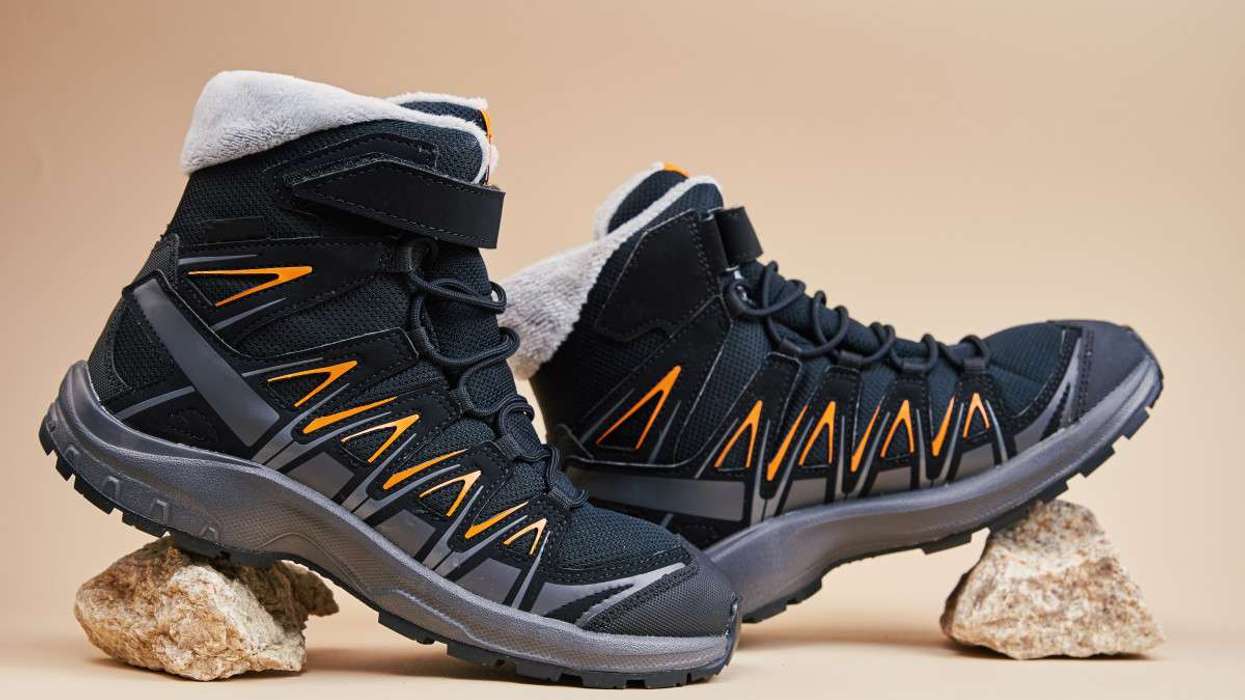

On a building site drenched by rain, a slip can interrupt far more than a shift. Deliveries are delayed, colleagues must cover missing hours and a small employer may face costs it had not budgeted for. Following an exceptionally unsettled British winter, the condition of workplace footwear deserves attention alongside the familiar questions of staffing, productivity and site safety.
The hidden cost of slippery ground
The Met Office described the winter of 2025 to 2026 as unusually wet in parts of the country, with successive storms and persistent spells of rain. For crews handling building materials, collecting waste or moving goods between vehicles and loading bays, saturated surfaces become part of the working day. Mud can conceal uneven ground, while water carried indoors turns entrance floors into slip hazards. Neither problem requires dramatic weather to cause serious disruption.
The cost is not merely theoretical. Figures published by the Health and Safety Executive show that slips, trips and falls on the same level accounted for 30 per cent of employee nonfatal injuries reported by employers in Great Britain in 2024 to 2025. Across all accident types, an estimated 680,000 workers sustained nonfatal injuries, according to the Labour Force Survey, resulting in approximately 4.4 million lost working days. These figures do not identify rain as the cause, but they underline the importance of hazards that can be overlooked during routine risk assessments.
What a safety rating really tells employers
Safety footwear is often purchased by category, even though two workplaces may present very different risks. A delivery driver crossing wet paving needs reliable traction, while someone working among nails, sharp offcuts and heavy equipment also needs protection against penetration and impact. The markings on a boot therefore matter more than its appearance or headline price.
Under EN ISO 20345:2022, S3 footwear combines protective toe caps, penetration resistance, a cleated outsole and water resistant upper materials. For employers comparing certified safety shoes s3, such as those offered by workwear specialist Strauss, the key is understanding exactly what that classification covers. S3 does not, by itself, certify the whole shoe as waterproof, a distinction that becomes important when workers spend hours in standing water. The newer S7 category adds water resistance for the complete footwear, making it more relevant to some persistently wet jobs.
Even an appropriate safety classification cannot guarantee grip on every surface. HSE guidance on slips and trips stresses that a sole performing well on a wet floor may behave differently on oil, sticky contamination or debris, and it recommends trials under real working conditions. Fit, comfort and durability matter too, because footwear offers little protection if it causes pain, wears down unnoticed or is left unworn.
Protection begins before boots are issued
Footwear belongs within a wider plan, not at the end of a shopping list. Employers should check where rainwater collects, how staff move between outdoor and indoor surfaces, and whether cleaning arrangements allow floors to dry safely. Drainage, entrance matting, prompt removal of spills and clear pedestrian routes reduce exposure before personal protective equipment becomes the last line of defence. On construction sites, changes to access routes and weather conditions should trigger fresh checks rather than reliance on previous assessments.
There is also a legal and commercial dimension. UK rules require employers to provide suitable personal protective equipment without charging workers when risks cannot be adequately controlled by other means. For smaller contractors and logistics businesses, already weighing rising costs reported across UK business news, the test is not simply whether boots have been issued, but whether they suit the task, fit the workforce and remain serviceable. Routine inspections can catch worn tread, split uppers and soles clogged with mud, while worker feedback can reveal problems that purchasing records never show.
With wetter months approaching, footwear decisions merit the same scrutiny as machinery maintenance or shift planning. The sensible response is neither to rely on boots alone nor to treat them as an afterthought. Matching certified protection to real conditions, and listening to those wearing it, can make everyday work considerably safer.
This article is paid content. It has been reviewed and edited by the Eastern Eye editorial team to meet our content standards.