
Choosing between glasses and contact lenses is not just about vision. It is about how you live: the commute, the office, the school run, the gym, and the weddings, festivals and family gatherings that fill the calendar. Many people wear both, picking whichever suits the day.
This guide compares the two honestly, covers what matters for everyday wear and for big occasions, and explains how to keep costs sensible, so you can choose with confidence.
How Glasses and Contact Lenses Compare
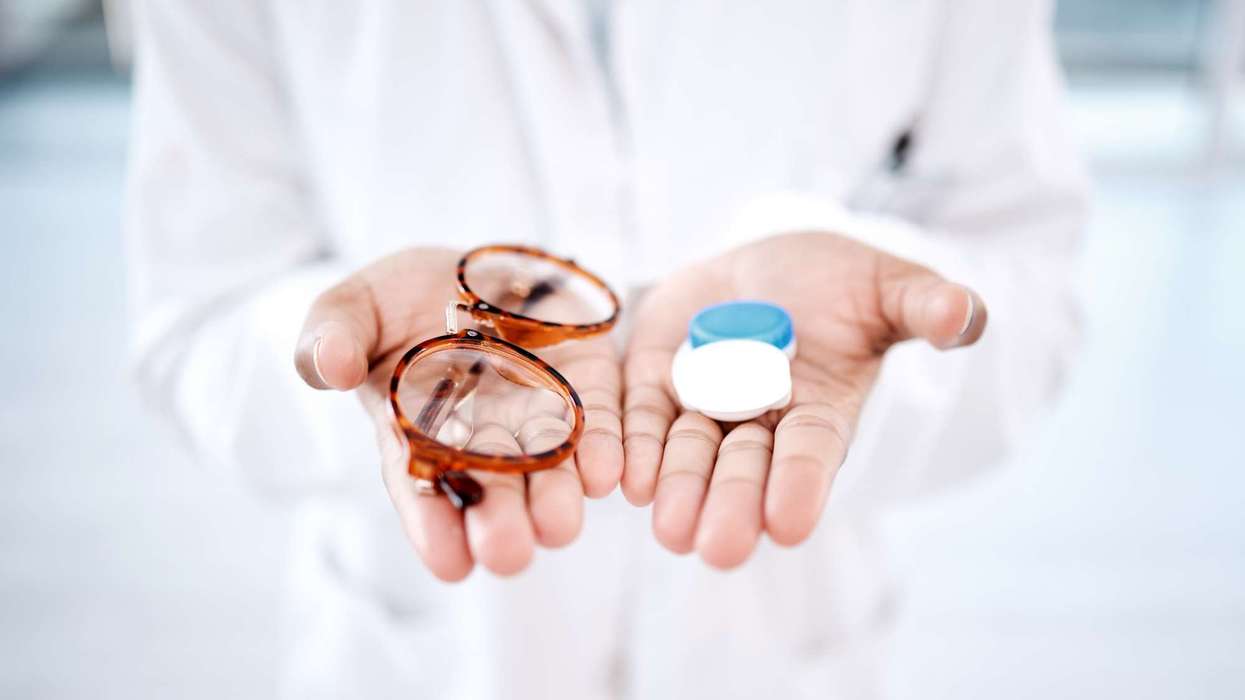
Both correct vision, and neither is "better" for everyone. Glasses are simple to use, need little daily care and put a physical barrier between your eyes and dust or wind. The College of Optometrists' public site, Look After Your Eyes, has a clear overview of glasses and how they work.
Contact lenses sit directly on the eye, which gives a wider, unobstructed field of view and no frames to fog, slip or reflect light. They suit people who play sport, dislike wearing frames, or want to pair their eyes with a particular outfit. The trade-off is routine: they need good hygiene, a valid prescription and a fitting with an optician.
Which Suits Your Everyday Life?
Think about a typical week.
- Office and screen work: many people use glasses for long days and contacts for evenings out. If your eyes feel dry at a desk, glasses can give them a rest.
- Study and school: glasses are often the easiest option for children and teenagers, though older teens may want contacts for sport.
- Sport and exercise: contacts avoid slipping frames, and daily disposables are popular for matches and classes.
- Busy family life: glasses are fast in the morning, while dailies save time if you want no cleaning routine.
- Dry or allergy-prone eyes: glasses may feel more comfortable on bad days. An optician can advise which lens type suits you.
Many people end up with a mix, using glasses at home and lenses when they go out.
Keeping the Cost Sensible
Cost is a real factor, and it is fair to weigh it up. Glasses usually cost more at the start but last longer, while contact lenses are an ongoing expense. Many people look into low-cost contact lenses to spread the cost, particularly if they wear them for occasions rather than every day.
A few points help you compare fairly:
- Compare cost per day, not per box. A box of dailies is more expensive than a box of monthlies, but there is no solution to buy.
- Look at the same lens across retailers. If you wear a branded lens, the product is the same wherever you buy it, so price differences are typically down to the retailer. Cheap contacts can be a sensible way to save, as long as you are buying the same prescribed lens.
- Shop with a UK-registered retailer. The cheapest contact lenses are not a bargain if the seller does not check your prescription. Reputable retailers ask for your details before dispatch.
- Check delivery times and fees. Cheap contact lenses online can lose their saving if shipping is slow or costly.
If you are searching for cheap contact lenses UK retailers offer, affordable contacts and inexpensive contact lenses are usually available from several suppliers, so it is worth comparing a few before you settle. Never skip your optician's advice or stretch your wear schedule to save money, since wearing lenses for longer than recommended can irritate your eyes.
Big Occasions: Weddings, Festivals and Long Celebrations
Special occasions are where the choice matters most. Long days, bright lights, dry venues, heavy makeup and little chance to sit down in peace can all test your eyes.
For weddings and festivals, a few practical tips:
- Plan for a long day. Daily lenses mean you can start fresh, and a spare pair or your glasses give you a back-up if your eyes tire.
- Think about the sequence. Put your lenses in before your eye makeup and take them out before you remove it.
- Take care with kajal and eyeliner. Many people avoid applying product along the inner rim of the lid, close to the lens, because it can irritate or migrate onto the lens. The American Academy of Ophthalmology has advice on eye makeup and contact lenses, and it is worth reading before a big event. Choose products labelled for eye use, from reputable sellers.
- Take a break if you can. Look away from bright lights and screens now and then, and drink water through the day.
If your eyes feel sore or look red, remove your lenses and switch to glasses. It is not worth pushing through for the photographs.
Looking After Your Lenses
Whatever you wear, good habits keep lenses comfortable. Wash and dry your hands before touching them, follow the replacement schedule you were given, and never share lenses. The Look After Your Eyes site has guidance on contact lens wear and care that is worth a look if you are new to lenses or have not reviewed your routine in a while.
Start With an Eye Test
If you are unsure which suits you, an eye test is the best place to start. The NHS explains how opticians and sight tests work in the UK, and most adults are advised to have a test at least every two years. Your optician can check that your prescription is up to date, advise whether contact lenses are suitable and arrange a fitting.
An eye test also checks the health of your eyes, which matters for everyone and especially if you have a condition such as diabetes, where regular eye screening is important.
A Simple Way to Decide
Ask yourself:
- How do I spend most of my days? Desks and screens, or sport and movement?
- How comfortable am I with a daily routine? Dailies need none, and monthlies need some.
- What does my budget allow? Compare cost per day and shop with a UK-registered retailer.
- What is coming up? For weddings and festivals, plan a back-up pair.
- What does my optician recommend? Ask them, and book a fitting if you want to try lenses.
You do not have to choose one for life. Many people keep both.
Frequently Asked Questions
Is it okay to wear both glasses and contact lenses?
Yes. Many people wear glasses at home and contacts for sport or occasions. Each needs a current prescription.
Are contact lenses harder to look after than glasses?
They need more routine. Daily disposables remove the cleaning step, which many people prefer.
Is it safe to buy cheap contact lenses online?
It can be, if you use a UK-registered retailer that asks for a valid prescription. Avoid sellers that do not check it.
Can I wear contact lenses with kajal or heavy eye makeup?
Many people do, with care. Put lenses in before makeup, avoid the inner rim of the lid, and remove lenses before taking makeup off.
How do I know which is right for me?
An eye test and fitting with an optician is the best way to find out.
Choosing What Works for You
Glasses and contact lenses each have their place, and the best choice depends on your day, your budget and your eyes. Check what suits your routine, compare prices sensibly with a reputable retailer, plan for big occasions and keep your eye tests up to date. Then you can enjoy the day, whether it is an ordinary Tuesday or the biggest celebration of the year.
This article is paid content. It has been reviewed and edited by the Eastern Eye editorial team to meet our content standards.