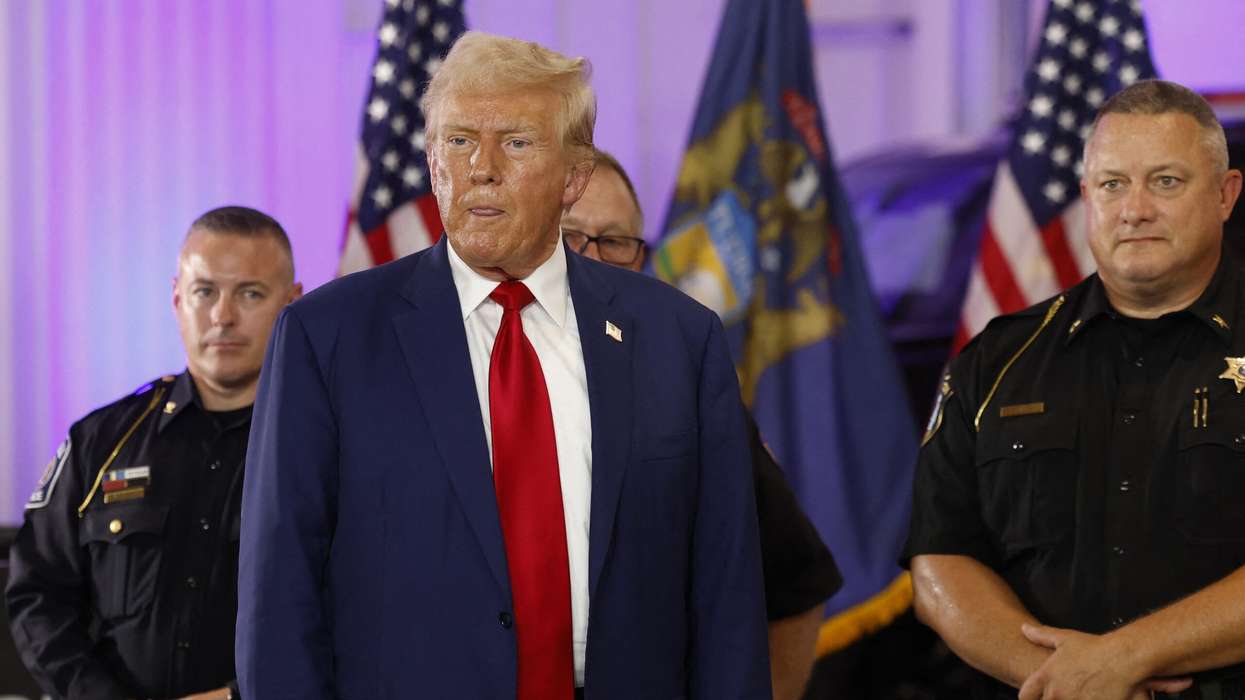

- Trump says he asked Pichai about renaming the Atlantic Ocean, but Google's CEO was reluctant.
- The president also joked about calling the Pacific the “American Ocean”.
- The exchange follows Trump's earlier push to rename the Gulf of Mexico as the Gulf of America.
US President Donald Trump says Google CEO Sundar Pichai rejected his idea to rename the Atlantic Ocean, after the company previously adopted his administration's Gulf of America name change for users in the United States.
Trump recounted the conversation at a rally in South Carolina on October 21, saying he had asked Pichai whether Google could handle a new name for the Atlantic.
“So we seriously looked at the Atlantic Ocean, and I called Google Maps, who were really great with the lake,” Trump told supporters.
He said he spoke to Pichai, whom he described as a “brilliant guy”, about the proposal.
“And I said, Sundar, I'm thinking of the Atlantic Ocean. Can you handle it?” Trump recalled asking.
According to the president, Pichai replied: “No, no, no. This time I'm not doing it. Oceans are different, sir. You know, they cover a lot of countries.”
Trump said he would probably abandon the idea, asking the crowd whether the Atlantic Ocean should keep its existing name.
There was no immediate independent confirmation from Google or Pichai of Trump's account of the exchange.
Trump jokes about an ‘American Ocean’
Trump also floated another possible name change, suggesting the Pacific Ocean could become the “American Ocean”.
“How do you think Europe would fit?” he asked, joking about how European leaders might react.
He mentioned European Commission President Ursula von der Leyen, suggesting she would be delighted by the idea.
Trump said he had considered putting his own name or America's name on an ocean, but indicated he would leave the Atlantic alone. His remarks appeared to be a joke rather than a formal proposal.
The comments follow his administration's earlier geographic renaming efforts. Shortly after taking office in January 2025, Trump signed an executive order changing the Gulf of Mexico's name to the Gulf of America.
Google Maps subsequently adopted the new name for users in the United States, while people elsewhere continued to see the Gulf of Mexico or both names, depending on their location.
The earlier change had also led to a dispute with the Associated Press over its use of the Gulf of America name, highlighting how geographic naming decisions can become political issues.