
Highlights
- Falling Skies blended alien invasion horror with adventure-led survival storytelling
- Steven Spielberg served as executive producer on the five-season sci-fi drama
- The series followed a history professor leading humanity’s resistance after Earth’s collapse
- The show is gaining renewed attention after landing on Netflix
A Spielberg sci-fi series that combined two of his biggest storytelling worlds
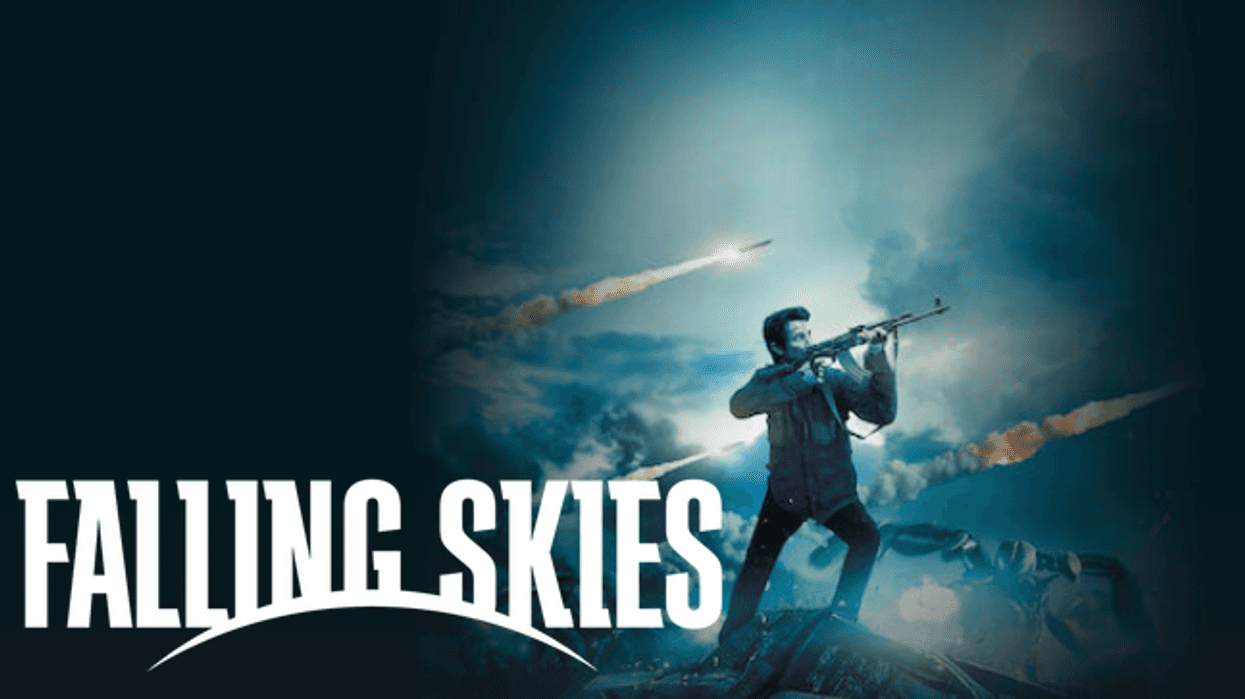
Steven Spielberg’s Falling Skies felt like a collision between the terrifying survival chaos of War of the Worlds and the adventurous spirit that defined Indiana Jones.
The sci-fi drama, which aired between 2011 and 2015, explored Earth after an alien invasion has already destroyed civilisation. Humanity is scattered, cities are in ruins and survival has become the only priority.
But unlike many post-apocalyptic stories driven entirely by warfare, Falling Skies centred on an unlikely hero. Noah Wyle played Tom Mason, a former history professor who slowly transforms into one of the leaders of the human resistance.
That character dynamic gave the show an unusual balance. The alien threat and large-scale destruction echoed the fear and urgency of War of the Worlds, while Mason’s academic background and reluctant heroism brought shades of the intelligent adventurer archetype associated with Indiana Jones.
Survival drama with an adventurous edge
At its core, Falling Skies was less interested in military spectacle and more focused on how ordinary people adapt after losing everything.
Families were separated, communities rebuilt themselves from scratch and resistance groups struggled to survive against overwhelming alien control. Yet the series constantly pushed its characters into dangerous missions, discoveries and shifting mysteries, giving the story a strong sense of adventure alongside its darker survival themes.
That blend became one of the defining strengths of the show.
Spielberg himself had previously spoken about his interest in stories exploring human resilience and resourcefulness during times of collapse, themes that run throughout the series.
Why the show is finding new audiences now
During its original television run, Falling Skies developed a loyal fanbase but remained overshadowed by bigger science-fiction franchises and prestige dramas of the era.
Its recent arrival on Netflix has changed that, with audiences rediscovering the series as a binge-worthy sci-fi epic packed with emotional stakes, alien mythology and long-form storytelling.
Across five seasons, the show expanded its world steadily while keeping its focus grounded in human relationships and survival.
While Spielberg is often associated with films such as E.T., Minority Report, Close Encounters of the Third Kind and War of the Worlds, Falling Skies remains one of the lesser-discussed projects connected to his science-fiction legacy.
Yet the series carries many of the filmmaker’s most recognisable storytelling instincts — ordinary people in extraordinary situations, emotionally driven spectacle and heroes shaped more by intelligence and resilience than invincibility.
More than a decade later, Falling Skies is finally being recognised as a sci-fi series that successfully merged invasion horror with adventure storytelling in a way few television shows attempted at the time.