
Highlights
- Reports claimed Ranveer Singh would play Lord Shiva in a trilogy based on The Immortals of Meluha
- Amish Tripathi has denied speculation surrounding the actor’s casting
- The rights to the Shiva Trilogy have reportedly been acquired for adaptation
- No official announcement has been made regarding the cast or director
Amish Tripathi dismisses rumours around Ranveer Singh’s involvement
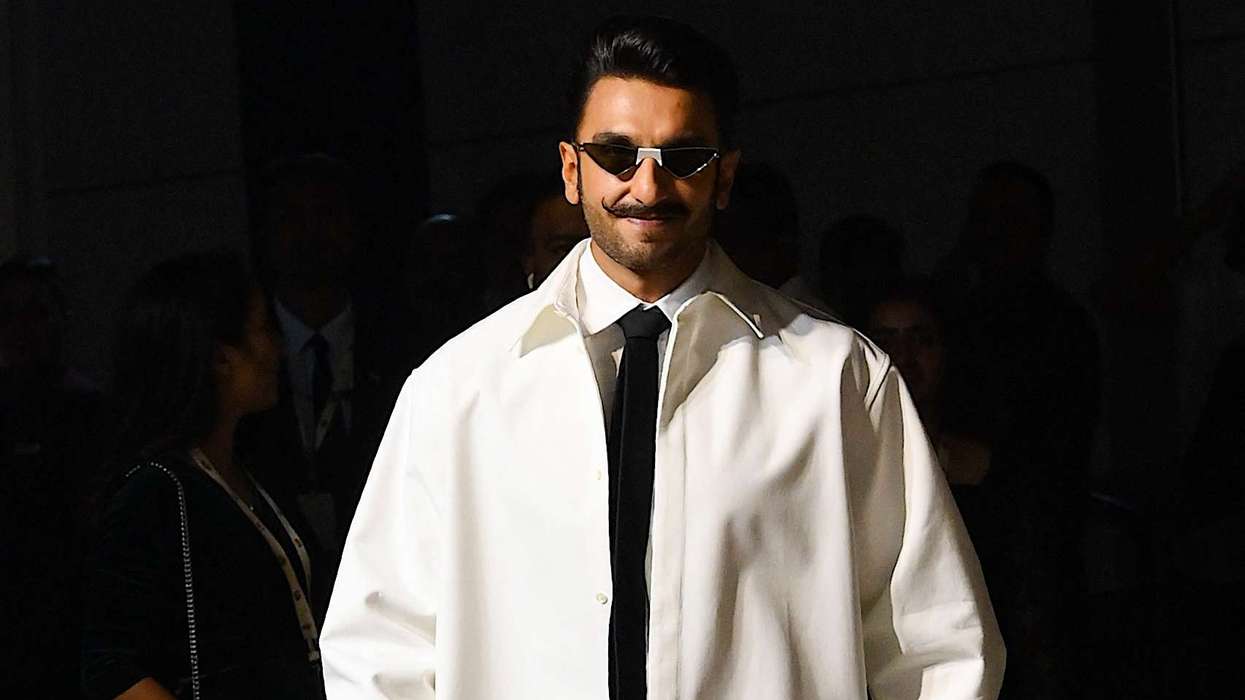
Ranveer Singh is not set to play Lord Shiva in a screen adaptation of The Immortals of Meluha, according to author Amish Tripathi, who has now responded to the speculation surrounding the project.
Reports earlier claimed that the rights to the bestselling Shiva Trilogy had been acquired for a large-scale cinematic adaptation and that Ranveer would headline the franchise as Shiva.
However, reacting to the reports, Amish clarified that the casting rumours were “not true”, effectively shutting down speculation about the actor’s involvement in the project.
While the author denied the reports linking Ranveer to the role, the reported rights acquisition itself has not been disputed.
The Immortals of Meluha remains one of India’s biggest mythology franchises
Published in 2010, The Immortals of Meluha became a landmark title in Indian commercial fiction. Amish Tripathi presented Shiva not as a god from birth, but as a Himalayan warrior whose actions eventually earn him legendary status.
The novel’s blend of mythology, fantasy and historical fiction helped it become a publishing phenomenon and introduced a new generation of readers to mythology-inspired storytelling.
The story later expanded through The Secret of the Nagas and The Oath of the Vayuputras, completing the Shiva Trilogy.
The books have collectively sold millions of copies and continue to attract interest for potential screen adaptations.
Mythology-driven franchises remain a growing trend in Bollywood
The buzz around The Immortals of Meluha reflects Hindi cinema’s growing focus on mythology-based universes and large-scale fantasy storytelling.
Studios have increasingly explored projects inspired by epics, legends and historical fantasy as audiences continue to respond strongly to franchise-driven spectacles.
At present, though, there is no official confirmation regarding the cast, director or production schedule for the adaptation.