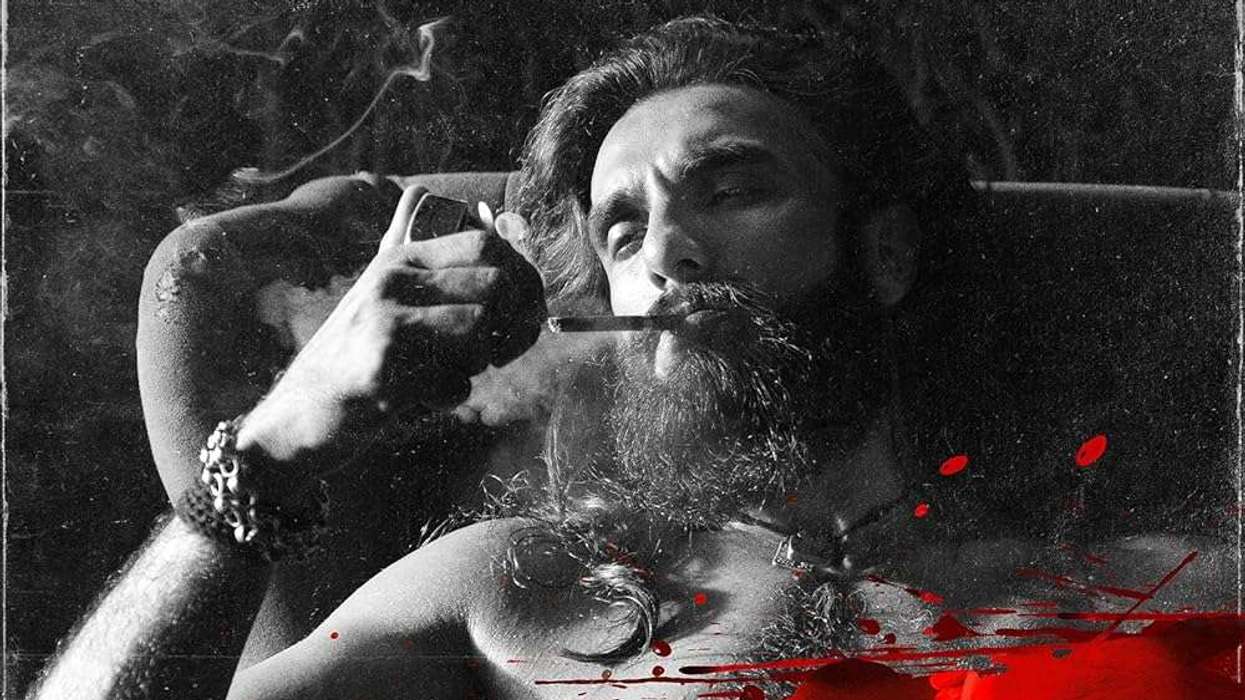

Dhurandhar: The Revenge arrives with the confidence of a film that knows it is standing on the shoulders of a phenomenon. The original Dhurandhar (2025) was a huge commercial success, and that success matters - it created not just anticipation for the sequel, but a cultural momentum that Dhurandhar: The Revenge fully leans into and expands.
What makes this sequel feel significant is that it doesn’t try to reinvent what worked. Instead, it amplifies it. The tone is bolder, the stakes feel higher, and the film carries an even stronger sense of identity and purpose. There is a clear confidence running through it, as though the filmmakers are no longer testing the waters but fully committed to the world they’ve built.
At its core, the film continues a style of storytelling that foregrounds Hindu national identity in a way mainstream Bollywood often avoided in the past. For years, there has been a tendency in parts of the industry to prioritise a carefully managed secular framing - sometimes to the point where Hindu cultural expression felt muted, softened, or treated with hesitation. Dhurandhar: The Revenge moves away from that instinct entirely. It presents India’s cultural and civilisational identity as something natural, central, and unembarrassed.
Leading the film once again is Ranveer Singh, who delivers a performance of real control and intensity. This is not the flamboyant, maximalist Singh of earlier roles. Instead, there is focus and restraint - an actor fully aware of the scale of the moment he is part of. He anchors the film with conviction.
He is joined by a strong supporting cast, including Ajay Devgn, whose presence adds weight and authority, Kriti Sanon, who brings emotional clarity, and Suniel Shetty, whose brief appearances still land with impact. The ensemble feels purposeful rather than decorative, each actor contributing to the larger momentum of the story.
Director Rohit Shetty deserves credit for maintaining a tight grip on scale and pace. The action sequences are big, bold, and crowd-pleasing, but what stands out is discipline. Nothing feels indulgent or unnecessary. The film moves with assurance, always pushing forward, never losing sight of its core narrative drive.
The screenplay by Milap Zaveri continues in the same direct, assertive tone. The dialogue is designed to land - sharp, declarative, and often provocative. It is not subtle writing, but it is effective writing. It speaks plainly and expects to be heard.
One of the film’s strongest assets is its music. The soundtrack builds directly on the energy of the first film, but here it feels more expansive and emotionally charged. The high-tempo tracks heighten the action, while the more melodic pieces give the story space to breathe. It is music designed not just to accompany the film, but to elevate it - and it succeeds.
Behind the production, figures like Karan Johar and Bhushan Kumar signal the continued mainstream backing of this cinematic direction. The success of Dhurandar - directed by Aditya Dhar - clearly gave confidence to scale things further, and that confidence is visible in every frame of the sequel.
There is also a broader shift in star power at play. Where earlier generations, represented by figures like Shah Rukh Khan, defined globalised Bollywood stardom in a more carefully balanced way, Singh represents something more immediate and assertive. This is a newer kind of film star - less deferential to established hierarchies, more willing to occupy space without hesitation.
What Dhurandhar: The Revenge ultimately does, building on the huge success of its predecessor, is reinforce a cinematic shift: towards confidence, cultural rootedness, and unapologetic storytelling. It is energetic, entertaining, and thematically clear. It doesn’t whisper its intentions - it declares them.
And whatever one’s perspective, it is hard to ignore the fact that audiences are responding to exactly that: the rebirth of Hindu nationalism.




 Swachhata Hi Seva 2026 India Weekly
  Kumaran Periasamy Eastern Eye