
The dream of rebuilding Sonar Bangla – golden Bengal – is once again becoming a powerful political and economic vision for the 106 million people of West Bengal.
The old saying — “What Bengal thinks today, India thinks tomorrow” — may regain its relevance as the state aspires to reclaim its historic position as one of India’s leading economic and cultural powerhouses.
Dr Shyama Prasad Mukherjee is considered the ideological founder and forerunner of the BJP. While he did not start the Bharatiya Janata Party (established 1980) directly, he founded its predecessor, the Bharatiya Jana Sangh (BJS), in 1951. This later evolved into the BJP.
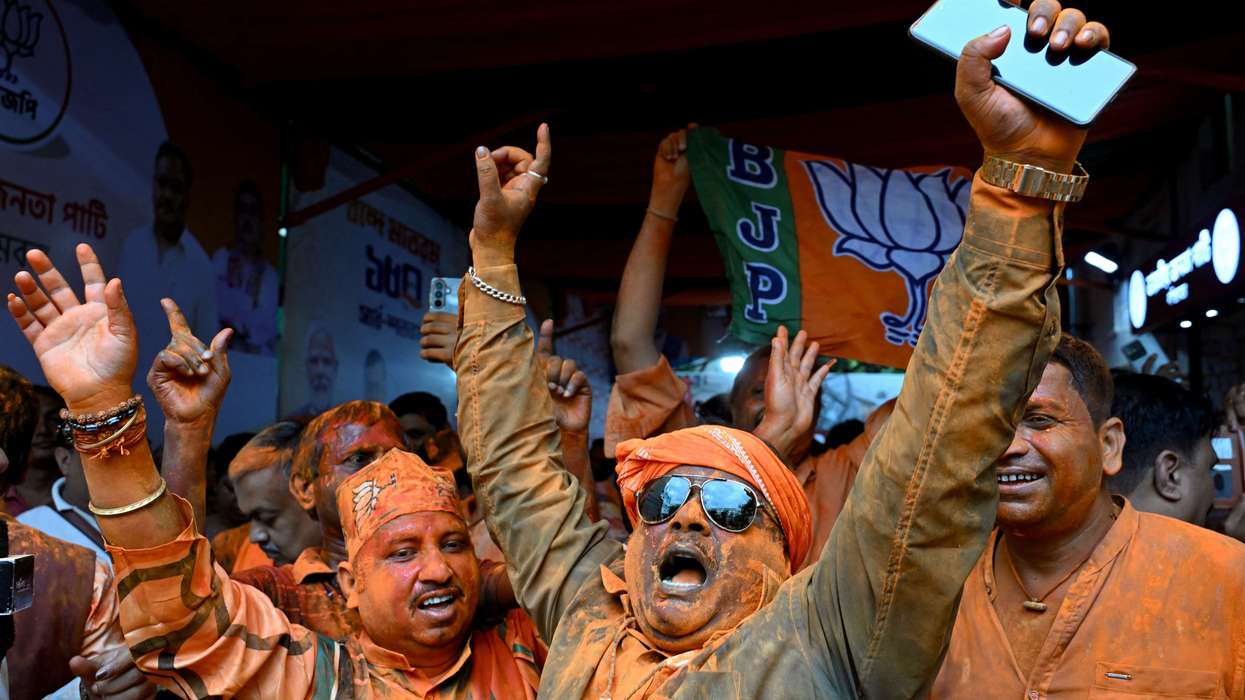
Therefore, one can say that BJP originated as a party from Bengal, although the just concluded 2026 assembly election is the first time since its formation that the party has come to power in Bengal.
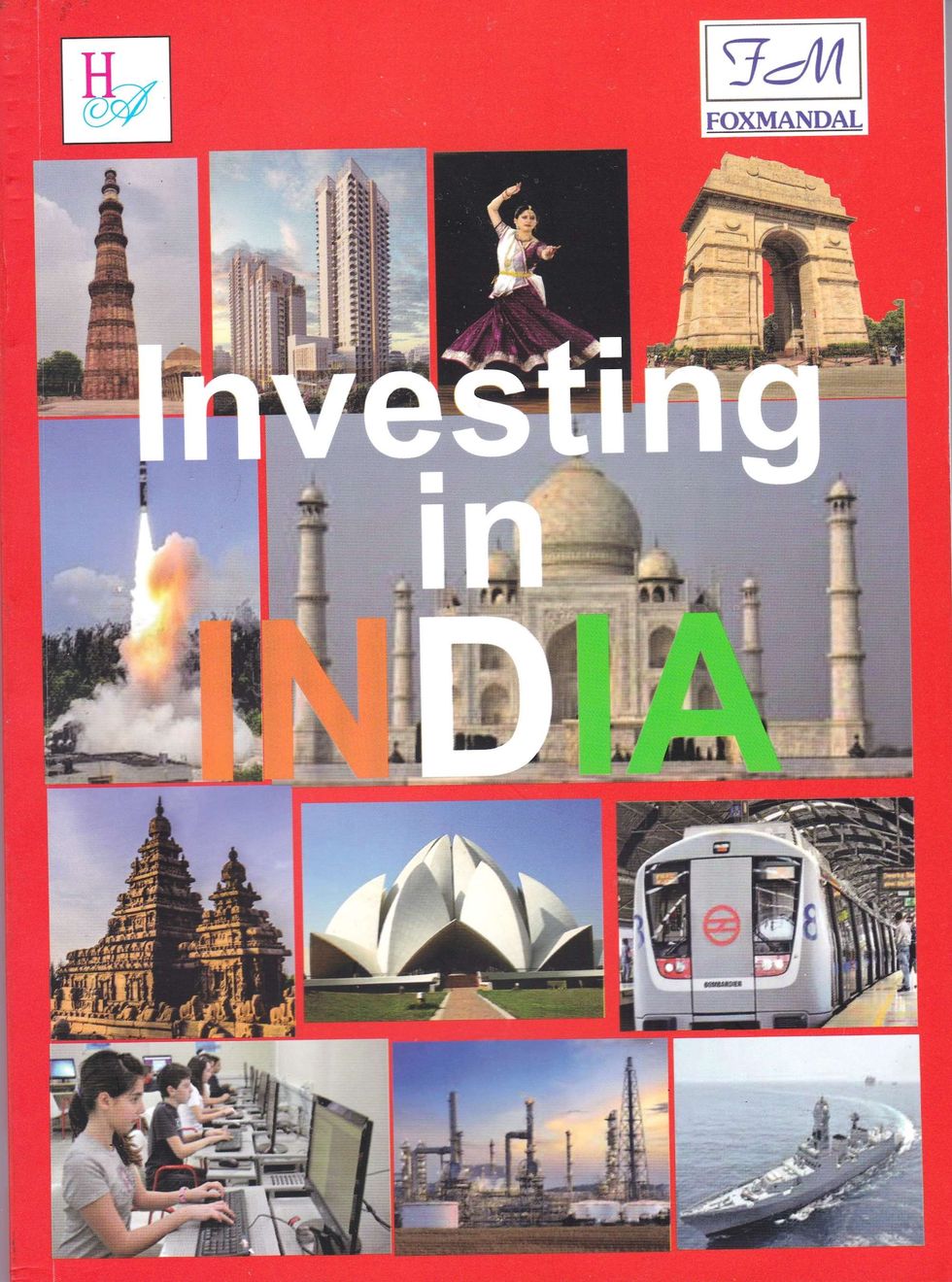 Investing in India book by Som MandalEastern Eye
I was personally part of the BJP and stood in the assembly elections from heart of Kolkata in 2016, when the party was still trying to put a foot in Bengal, but it ultimately won just three seats out of 294. This time, it was a landslide win for the party, with 208 seats. The BJP has evolved and the people of Bengal have also moved away from the leftist mindset and corruption of the Trinamool Congress. The people of Bengal want to make the state relevant again.
Prior to India’s independence, Bengal was among the strongest economic regions in the country. Calcutta (now Kolkata) was not only the capital of British India for decades, but also one of the most important commercial and industrial centres in Asia.
The state had thriving industries in jute, tea, textiles, steel, cement, engineering, automobiles, and the river trade. Bengal’s ports connected India to the world, serving as major gateways for passenger ships and global trade. Its strategic geographical position, rich natural resources, skilled workforce and intellectual capital made Bengal a symbol of prosperity and innovation.
 A safe to keep clients' documents FoxMandal
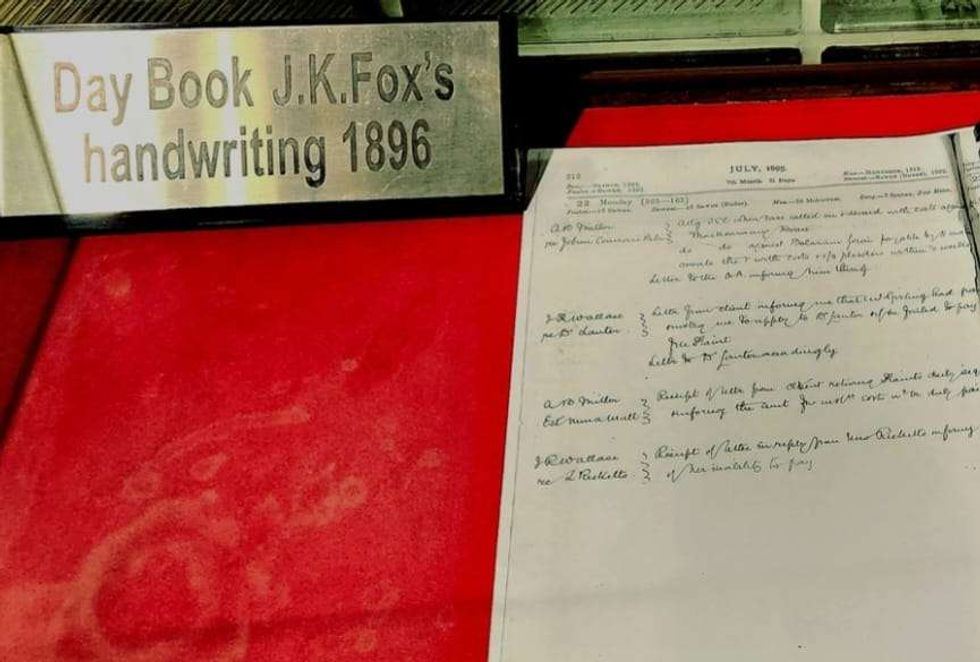
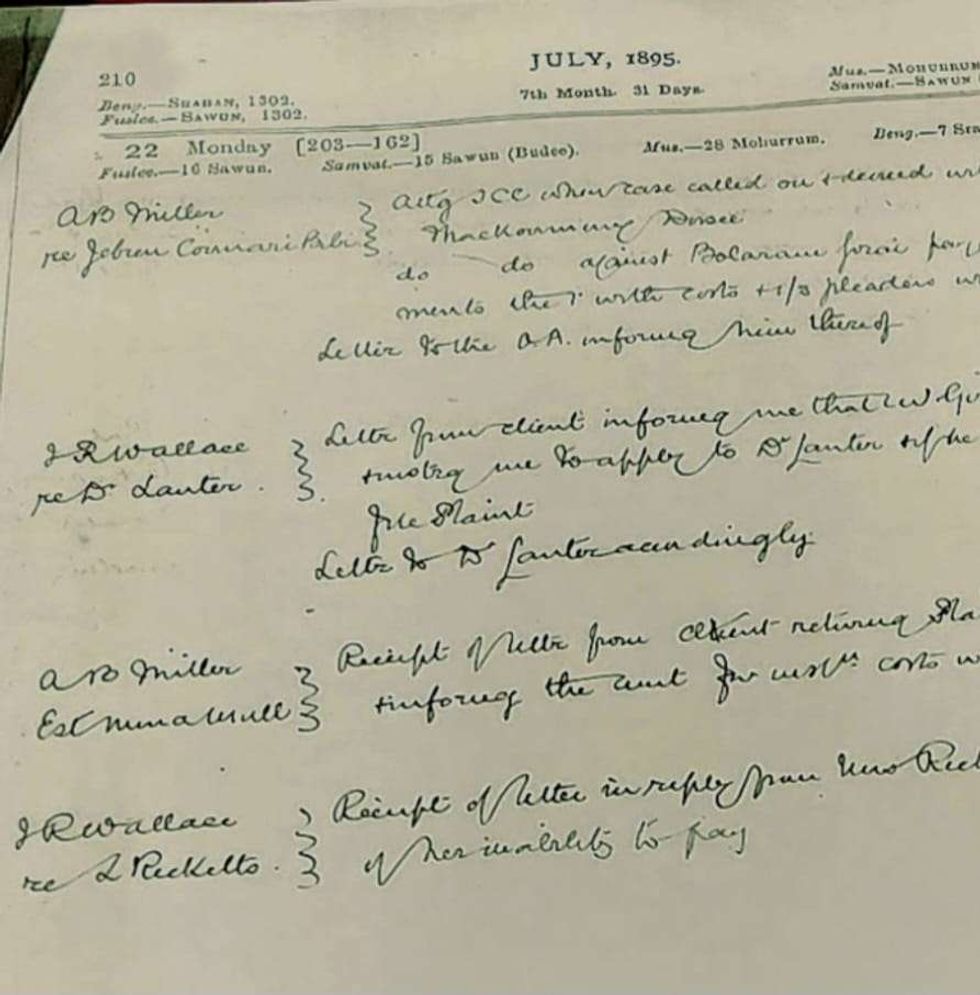 A document from the early days of the firm FoxMandal
 FoxMandal
 A client's chairFoxMandal
Supporters of the new BJP-led government believe that Bengal is now entering a phase of economic revival and industrial resurgence. With renewed focus on infrastructure, investment, governance and industrial growth, the state hopes to attract large-scale domestic and foreign investment. Bengal’s access to ports, proximity to south-east Asia and connectivity to the north-east and neighbouring countries could transform it into one of India’s biggest trade and logistics hubs.
Traditional strengths such as tea, jute, textiles, steel and manufacturing are expected to receive fresh momentum, while modern sectors such as technology, electronics, logistics, renewable energy and global supply chains may open new avenues of growth. The revival of industries and expansion of business opportunities could generate employment for hundreds of thousands of young people and reduce the long-standing migration of skilled workers from the state.
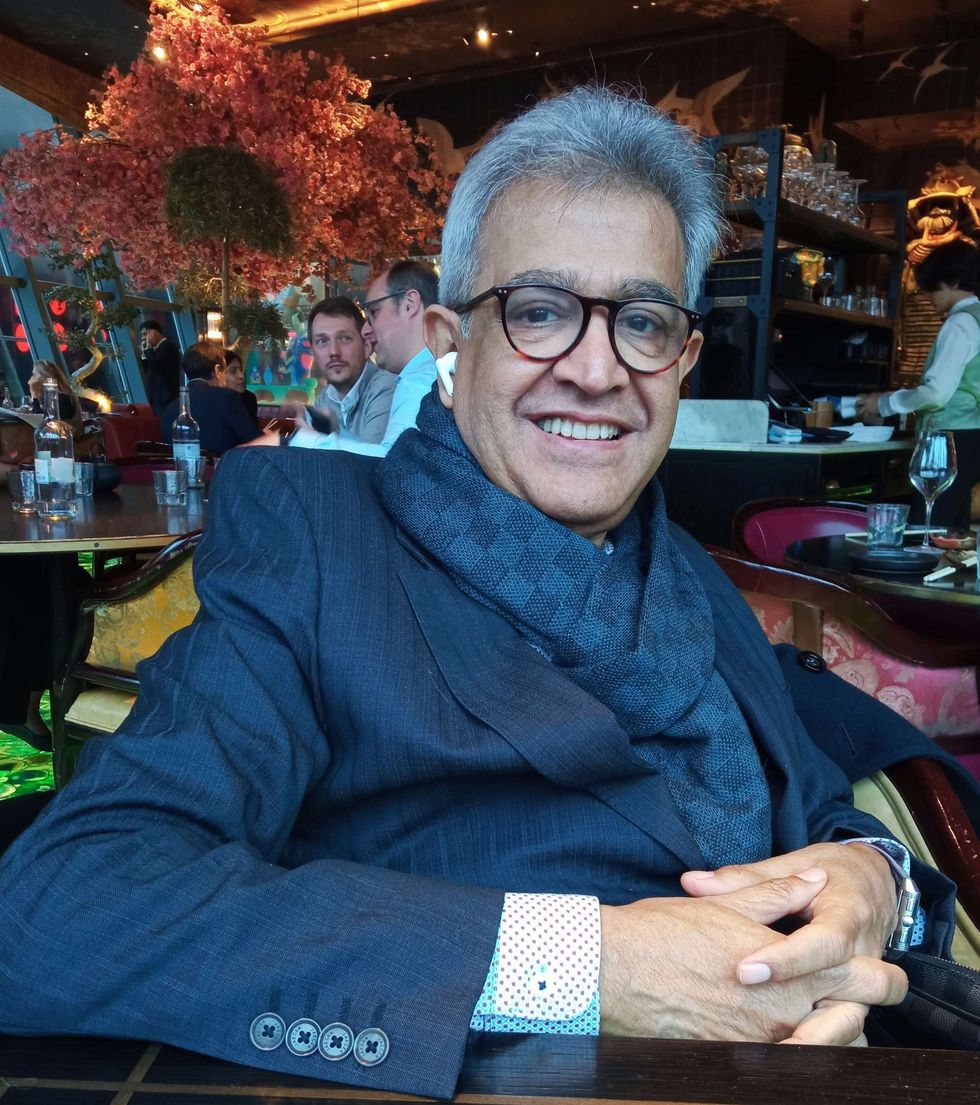 Som Mandal Eastern Eye
The vision of Sonar Bangla is not merely about economic prosperity, but
also about restoring Bengal’s historical pride, cultural confidence and leadership role in India’s development. If the new government succeeds in balancing industrial growth with social development, Bengal may once again emerge as a model state — proving that its legacy of leadership and progress still remains alive.
For many in Bengal and Bengalis around the world – and there is a sizeable, prosperous and highly educated community in the UK – this is not just a political change, but the beginning of a new chapter in Bengal’s history. It’s a chapter aimed at bringing back the glory of a truly prosperous Sonar Bangla.
(The author is managing partner at FoxMandal, one of India’s oldest law firms which traces its roots to 1896. It is the oldest in Bengal. He is also the author of the handbook, Investing in India, aimed at overseas investors, especially in the UK.)




 Ben MillerThe Centre for Social Justice