
Highlights
- European Commission's tech chief warns dependencies on foreign technology "can be weaponised against us".
- EU plans to use public procurement contracts worth billions to boost homegrown tech companies.
- Semiconductor chips identified as critical priority area where Europe lags behind global competitors.
Europe must break free from dangerous dependencies on foreign technology companies and nations, the European Commission's top tech official has declared in a stark warning about the continent's digital vulnerabilities.
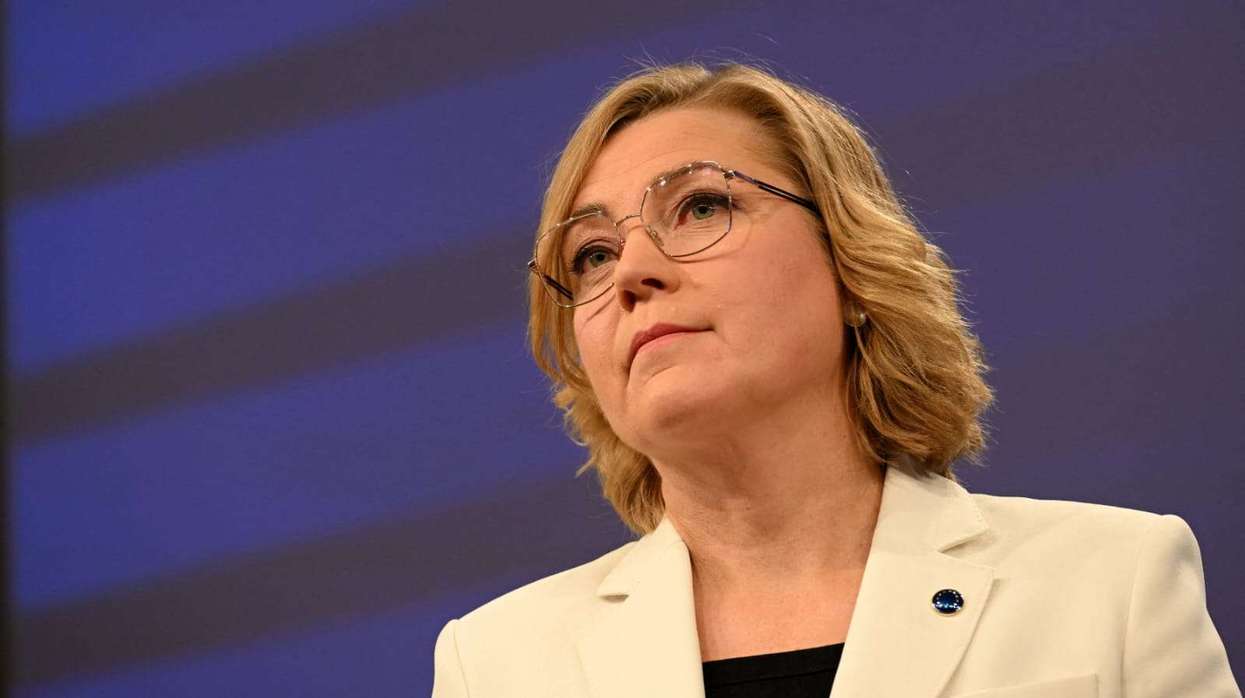
Executive vice president Henna Virkkunen told a POLITICO event on Tuesday that Europe is experiencing "our independence moment" as geopolitical tensions and supply chain disruptions expose critical weaknesses in the bloc's technological infrastructure.
"During the last year, everybody has really realised how important it is that we are not dependent on one country or one company when it comes to some very critical technologies," Virkkunen stated, adding that "in these times, dependencies can be weaponised against us."
While Virkkunen refrained from explicitly naming the United States, her remarks come amid deteriorating transatlantic relations following president Donald Trump's recent threats regarding Greenland.
She cited the Covid-19 pandemic and Russia's invasion of Ukraine as key incidents highlighting Europe's technological vulnerabilities.
The commissioner acknowledged America remains "a key partner" but emphasised the importance of developing indigenous capacity.
"It's very important for our competitiveness and for our security that we have also our own capacity, that we are not dependent," she explained.
Boosting homegrown technology
Virkkunen threw her support behind controversial "Buy European" proposals that would funnel billions in public procurement contracts towards EU businesses.
"We should use public procurement much more actively to boost our own growing technologies," she said, noting that governments and municipalities represent major customers for ICT services.
The initiative, championed by French EU commissioner Stéphane Séjourné, will feature in an upcoming Industrial Accelerator Act that has faced multiple delays.
Virkkunen is spearheading legislation expected this spring addressing cloud computing, artificial intelligence and microchips—sectors where Europe trails global competitors.
When pressed on priorities, she identified semiconductor chips as fundamental. "We are not able to design and manufacture very advanced chips. It's very problematic for our technology customer," she acknowledged.
The push for tech sovereignty marks a significant shift in EU policy as Brussels seeks greater strategic autonomy in an increasingly fractured global landscape.