
- The EU will impose a customs charge on low-value parcels from July 1, ending a long-standing duty-free exemption.
- Around 90 per cent of low-value imports into the bloc come from China, with Temu and Shein among the biggest online platforms.
- Officials say the move is intended to support European retailers, improve product safety and slow the surge in cheap imports.
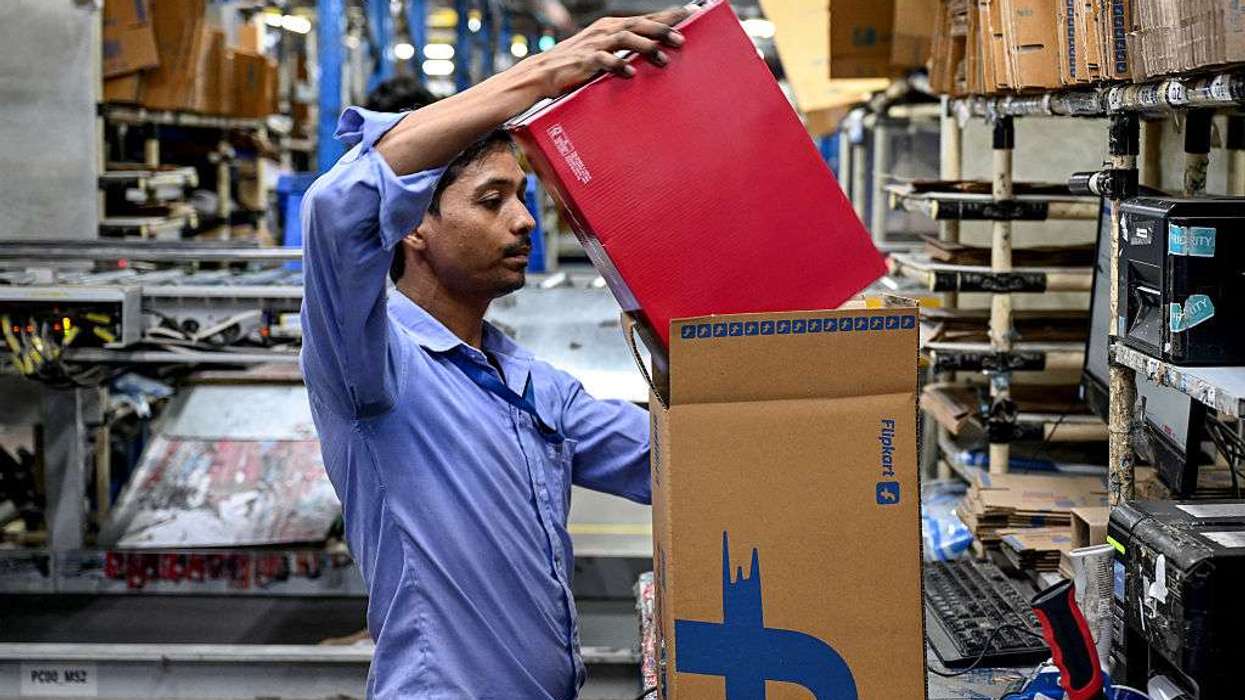
Photo caption: The EU is tightening import rules as cheap online shopping reshapes the retail market.
The European Union's new customs charge on low-value imports is set to change how millions of shoppers buy products from overseas platforms such as Temu and Shein. From July 1, parcels worth up to £129 (€150) will no longer qualify for duty-free entry into the bloc, as the European Commission moves to tackle the rapid growth of low-cost imports from China and ease pressure on local retailers.
The new £2.58 (€3) customs charge will apply to each low-value parcel entering the EU. While the fee is relatively small, officials believe it could discourage extremely low-cost purchases and reduce the competitive advantage enjoyed by overseas online marketplaces that have expanded rapidly across Europe.
A response to a flood of cheap imports
The European Commission says the number of low-value parcels entering the EU has risen dramatically over the past few years, increasing from 1.3 billion in 2022 to 5.9 billion in 2025. Around 90 per cent of those shipments originate in China.
Officials argue that the previous duty-free threshold, known as the "de minimis" exemption, allowed overseas retailers to sell low-cost goods into Europe without facing the same customs requirements as local businesses. According to the Commission, the imbalance has made it increasingly difficult for European retailers to compete, contributing to declining footfall on high streets and the closure of independent shops.
A senior EU official reportedly said the growth of online shopping had contributed to the "desertification" of European town centres by weakening traditional retail and affecting local jobs and communities.
The Commission also expects the removal of the exemption to increase customs checks, as overseas sellers will now have to complete declarations for all parcels regardless of value.
Safety concerns add to the pressure
The new import charge is also part of a broader effort to improve product safety. Research released by the European Commission found that 60 per cent of products purchased online from outside the EU failed to comply with the bloc's safety standards.
Among the products raising the greatest concern were cosmetics and toys, with 65 per cent failing compliance checks. Food supplements recorded a 63 per cent non-compliance rate, while 60 per cent of professional protective equipment, including hard hats and safety footwear, also failed to meet EU requirements.
The latest move follows regulatory action against online marketplaces. In June, EU regulators fined Temu £172 million (€200 million) over allegations that it failed to prevent the sale of illegal and potentially dangerous products.
The changes could also prompt online retailers to rethink how they operate in Europe. Shein has already expanded its logistics footprint within the bloc, including opening a major distribution centre in Poland, a move that could help streamline customs procedures under the new rules.
The customs charge will also apply to goods entering Northern Ireland under post-Brexit trading arrangements, although the revenue will go to the UK Treasury. Separately, the UK government has announced that import duties on parcels worth less than £135 will begin from October 2028, bringing Britain's rules closer to those adopted by the EU, although on a later timetable.