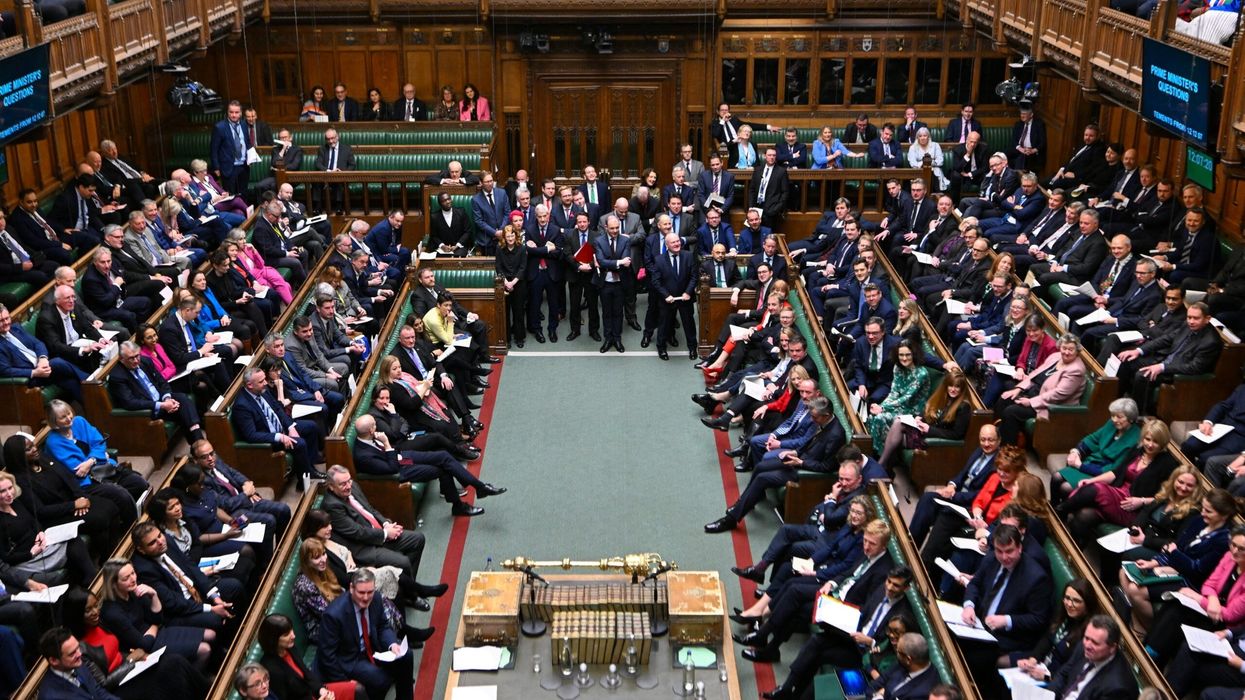

A RECORD number of ethnic minority MPs are expected to be elected on July 4 and the parliament will be closer to representing the diversity of the electorate, race and diversity thinktank British Future said on Monday (10).
The thinktank's analysis of final candidate selections projects that there will be a record increase of 20-30 ethnic minority MPs in the Commons.
With around 14 per cent of MPs coming from an ethnic minority background, the new Parliament will be closer to reflecting the diversity of the electorate, it added.
Analysis of census data by Matt Singh of Number Cruncher Politics estimates that 14 per cent of the UK electorate are from ethnic minorities.
Labour party leads the table with one in five MPs or 125 candidates (19.9 per cent) from an ethnic minority background.
This is followed by the Conservative party with 86 ethnic minority candidates (13.7 per cent), while Lib Dems have selected 66 (10.5 per cent).
The SNP has picked three candidates from ethnic minority communities out of a total of 57 (5.2 per cent), while Green Party and Refrom have chosen 8.9 per cent and 5.2 per cent respectively of its total candidates from ethnic minorities.
Plaid Cymru in Wales and the UUP in Northern Ireland have each selected one candidate from an ethnic minority background.
The Labour Party is set to have the largest number of ethnic minority MPs – projected to be 66 if the party wins an overall majority and up to 83 in the landslide scenario.
If Labour wins an overall majority of one, around 20 per cent of its new MPs will be from an ethnic minority background. British Future’s analysis projects around 20 ethnic minority Conservative MPs.
British Future director Sunder Katwala said, “In the space of 40 years we’ll have gone from zero to 1 in 7 MPs being from an ethnic minority background. Britain is closing the gap between the diversity of Parliament and the electorate much faster than anyone thought possible."
However, he warned that better representation doesn’t in itself guarantee strong party cultures or the right party policies on inclusion. "Our race debates today often feel as polarised as ever," he added.
“But a stronger share of voice does make a difference. So this milestone in representation remains something to celebrate – few if any other Western democracies are keeping pace with Britain’s progress,” Katwala said.
Gender representation
However, the progress towards equal representation in terms of gender continues to be moving at a slower pace.
If Labour wins an overall majority, there will be a record number of 252 women elected to the Commons for the first time, up from 220 in 2019.
That would mean around 39 per cent of MPs are women, while they make up 51 per cent of the UK electorate.
British Future Associate Fellow Jill Rutter, who led the analysis, said: "A diverse parliament brings different perspectives to its work, which can lead to more effective policy-making. MPs who come from different backgrounds can be role models for their communities, inspiring young people to vote and get involved in politics."
The 2019 election saw 66 ethnic minority MPs elected to the parliament, a ‘diversity milestone’ as for the first time 10 per cent were from an ethnic minority background.
With 37 ethnic minority women elected in the 2019 parliament, they outnumbered men for the first time.