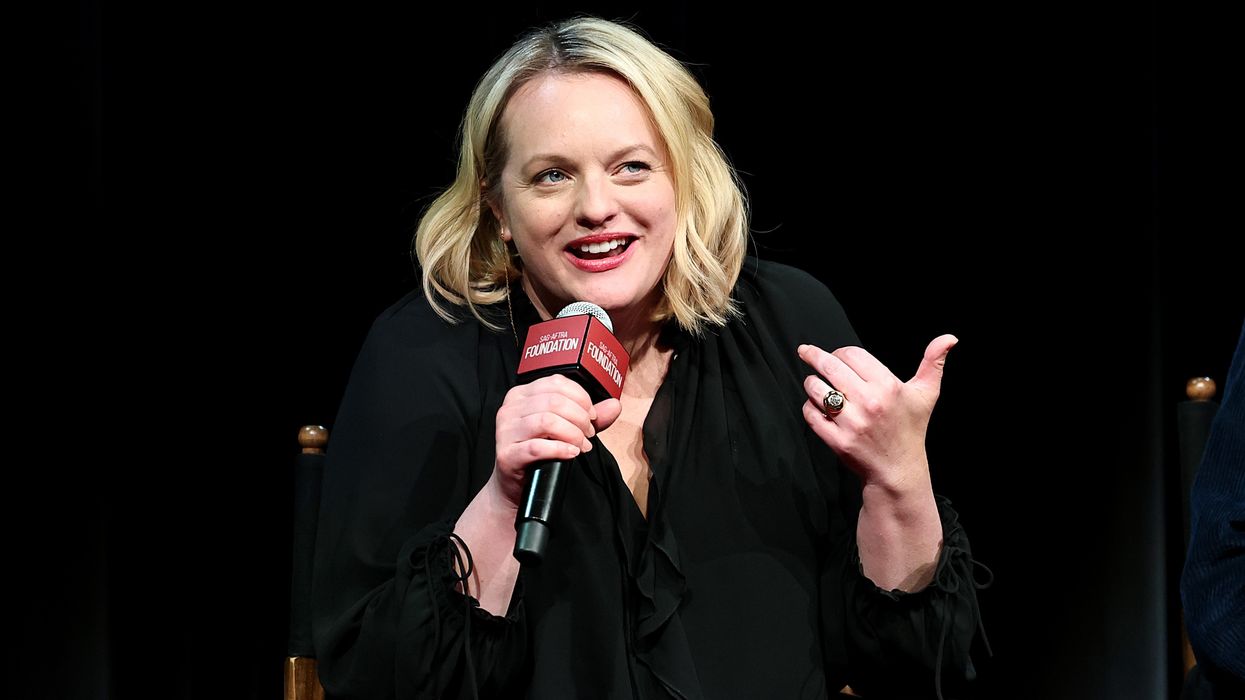

Elisabeth Moss didn’t jump at the chance to play June Osborne in The Handmaid’s Tale. In fact, she turned it down. Twice. Fresh off Mad Men, Moss was unsure about committing to another long-term TV role. At the time, she wasn’t ready to dive into another demanding project. But that changed the moment she found out who the producers were planning to offer the role to next.
“That did it for me,” she said on The Jennifer Hudson Show. “I was like, absolutely not. Over my dead body.”
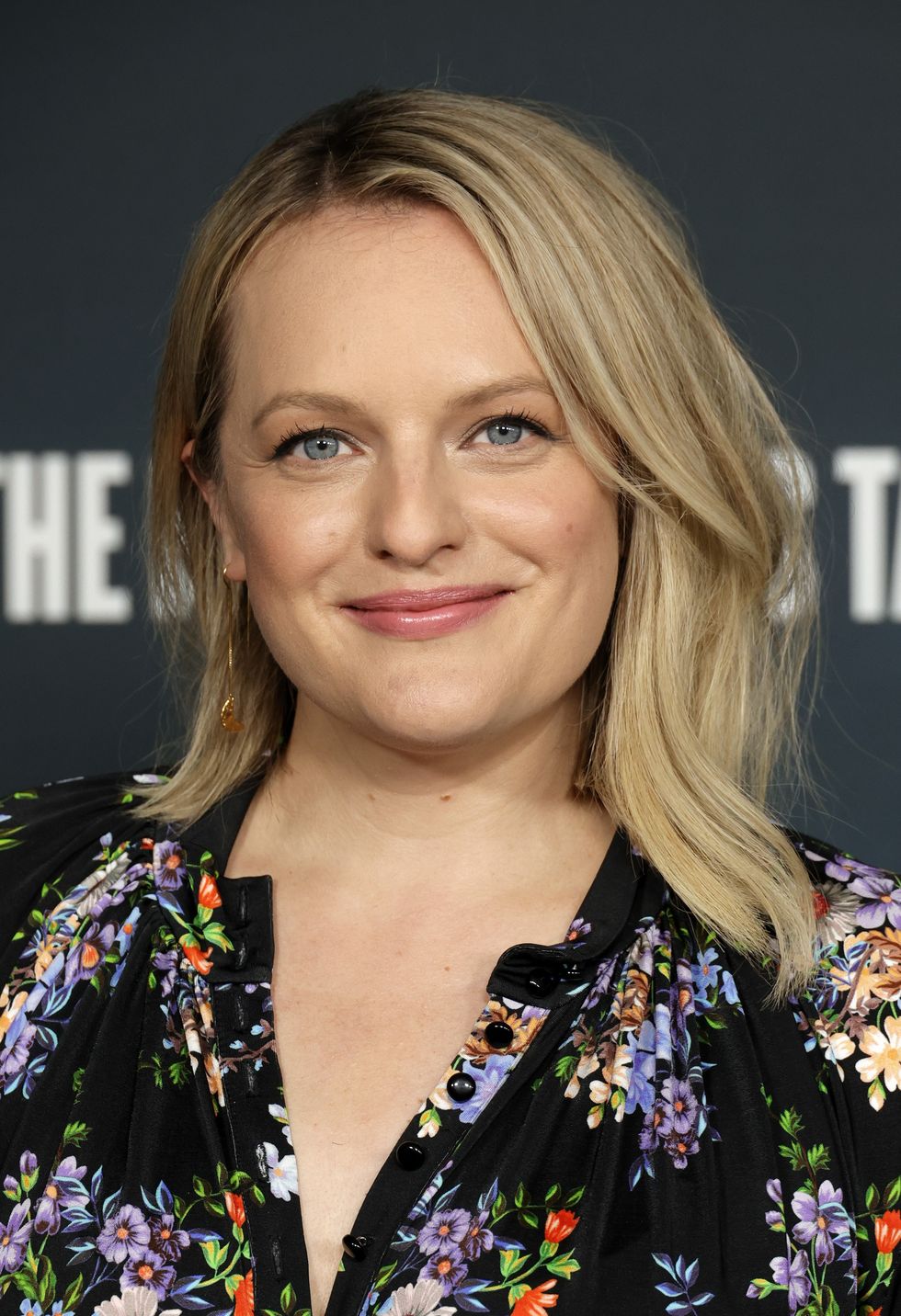 Elisabeth Moss admits she turned down the role twice before realising she truly wanted itGetty Images
She didn’t name the actor in question, but the thought of someone else playing June made her realise she couldn’t let the opportunity go. That moment of protectiveness over the role made her realise how deeply she wanted it. “I couldn’t bear the idea of watching someone else do it,” she said.
Seven years later, Moss is still front and centre in the now-final season of the series. Based on Margaret Atwood’s novel, the story follows June, a woman forced to become a Handmaid and carry children in a totalitarian regime. The role has become one of Moss’s defining performances, and her portrayal has been praised for its emotional depth and strength.
This isn’t the first time Moss has taken on a role that transforms a woman from victim to fighter. From Peggy in Mad Men to June in The Handmaid’s Tale, she’s repeatedly chosen stories where women claw back control over their lives. Speaking in an interview, Moss said, “I try to show women as they are. Not perfect, not superhuman. Just real.”
In the latest season, the show features a moment Moss had long dreamt of: using a Taylor Swift song. Episode nine opens with Look What You Made Me Do, something Moss, an open Swiftie, personally pushed for. “I’ve wanted a Taylor track on the show for years,” she said. “This one fit perfectly.”
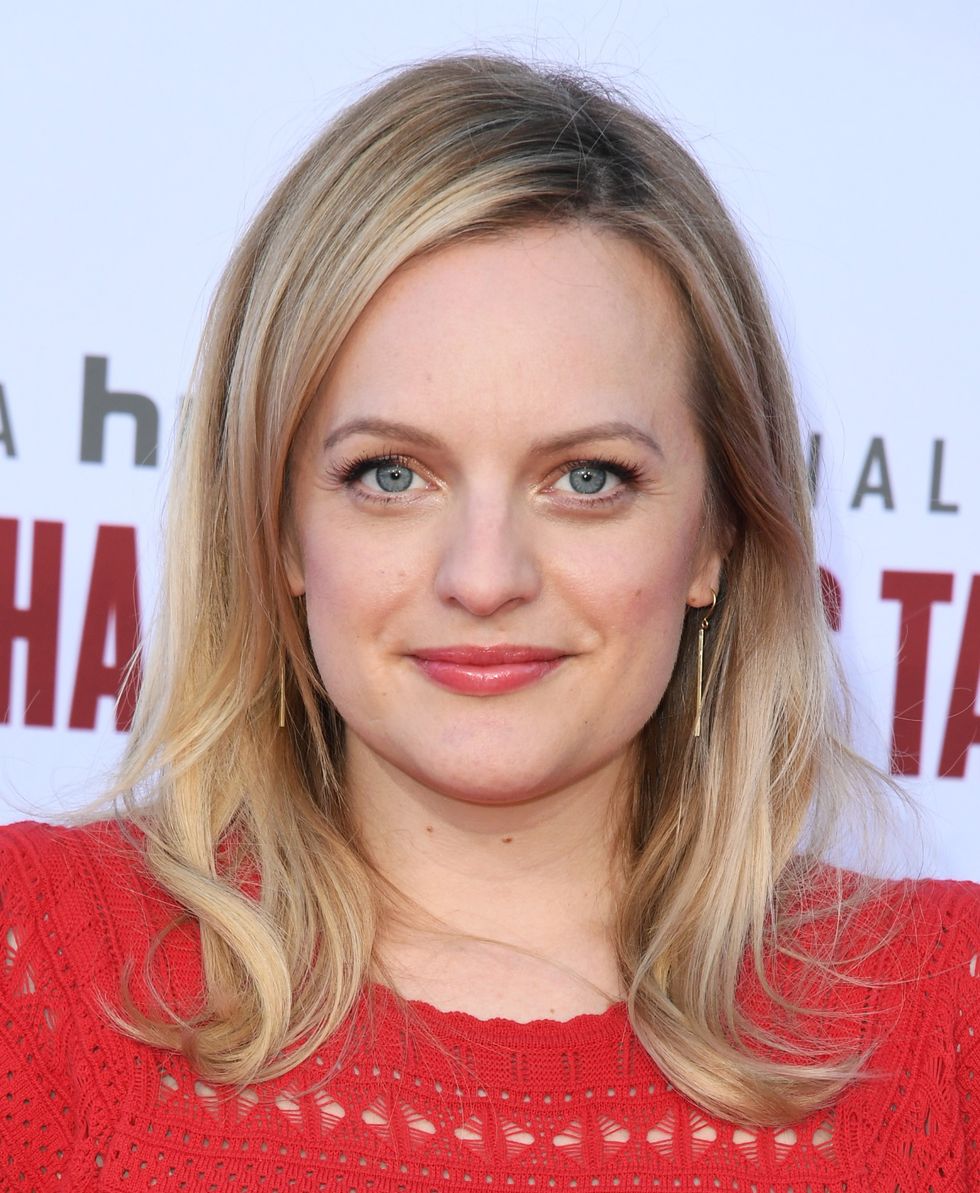 Elisabeth Moss opens up about her deep connection to June and the journey behind itGetty Images
She credited her editor for helping place the song at just the right time. For Moss, it was more than a soundtrack choice. It was a personal milestone in a series that’s meant so much to her.
In the end, the role she nearly walked away from became the one she couldn’t imagine giving up.




 The couple confirmed the second pregnancy recentlyX/