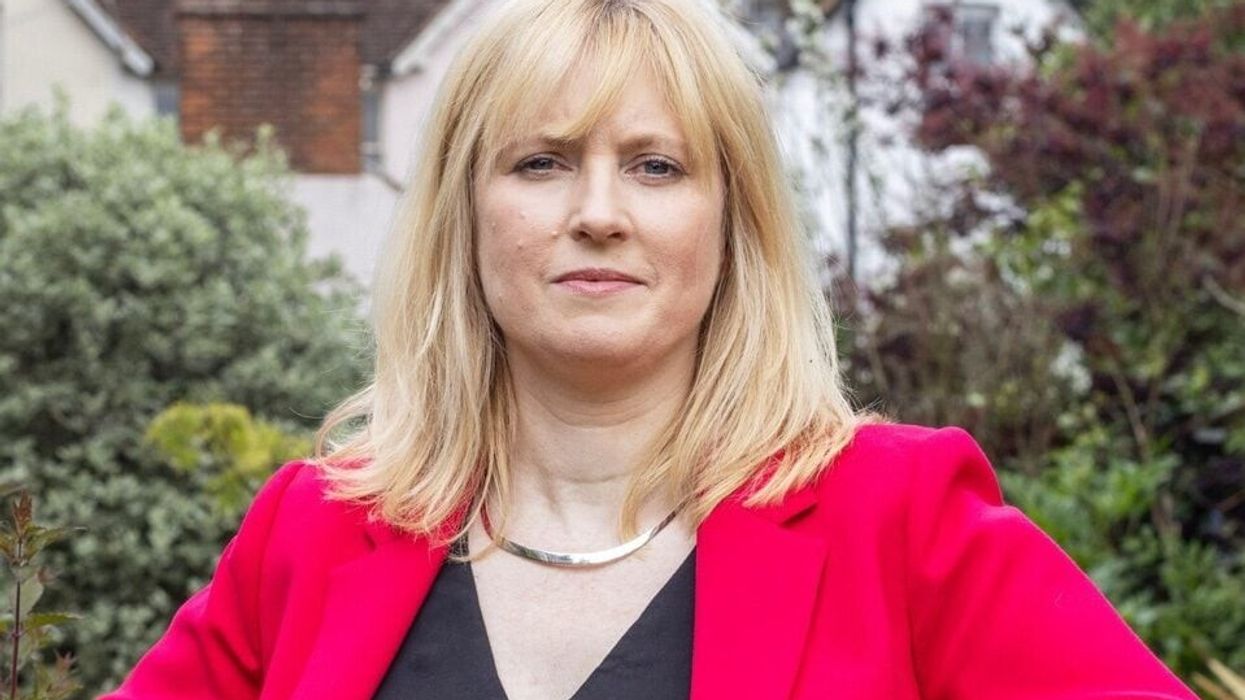

THE LABOUR government led by Keir Starmer faced its first resignation on Saturday, as MP Rosie Duffield announced her departure from the party. Duffield accused Starmer of "hypocrisy" in accepting free gifts while pushing what she described as "cruel and unnecessary" policies.
In a resignation letter, Duffield criticised Starmer for accepting more than £100,000 in gifts and hospitality, which came to light earlier this month, while at the same time cutting a £300 annual winter heating payment for millions of pensioners.
"I am so ashamed of what you and your inner circle have done to tarnish and humiliate our once proud party," she wrote, adding that the "sleaze, nepotism and apparent avarice are off the scale."
Duffield expressed her outrage at the Prime Minister for accepting expensive personal gifts while asking others to make sacrifices. She called his behaviour "staggering" and specifically mentioned his decision to maintain a cap on benefit payments for families with children.
"Someone with far-above-average wealth choosing to keep the Conservatives’ two-child limit to benefit payments, which entrenches children in poverty, while inexplicably accepting expensive personal gifts of designer suits and glasses – this is entirely undeserving of holding the title of Labour Prime Minister," she wrote.
Going forward, Duffield said she would sit as an independent MP "guided by my core Labour values."
The controversy over Starmer's acceptance of gifts has loomed over Labour’s first conference since their victory in July, when they won a landslide election after 14 years of Conservative rule. Ministers have faced backlash from unions, usually supportive of the party.
Financial challenges and gifts
All of the gifts Starmer accepted were declared and comply with parliamentary rules. Records show that since December 2019, Starmer has received over £100,000 in gifts and hospitality, more than any other MP.
Deputy prime minister Angela Rayner also accepted a loan of a New York apartment for a holiday, while Chancellor Rachel Reeves accepted £7,500 worth of clothing. Reeves and the party defended cutting the £300 heating allowance for pensioners, citing the need to address a "£22 billion black hole" left by the previous Conservative government.
In her letter, which was first reported in The Sunday Times, Duffield attacked Starmer’s "managerial and technocratic approach" and criticised his "lack of basic political instincts," saying they had damaged the party after its long-awaited return to power.
At the conference, Starmer lost a symbolic vote calling for the reversal of the winter heating allowance cut. While the vote was non-binding, it exposed the dissatisfaction among Labour activists and union supporters. Delegates narrowly passed a motion calling for the policy change.
"I do not understand how our new Labour government can cut the winter fuel allowance for pensioners and leave the super-rich untouched," said Sharon Graham, General Secretary of the Unite union.
(With inputs from AFP)