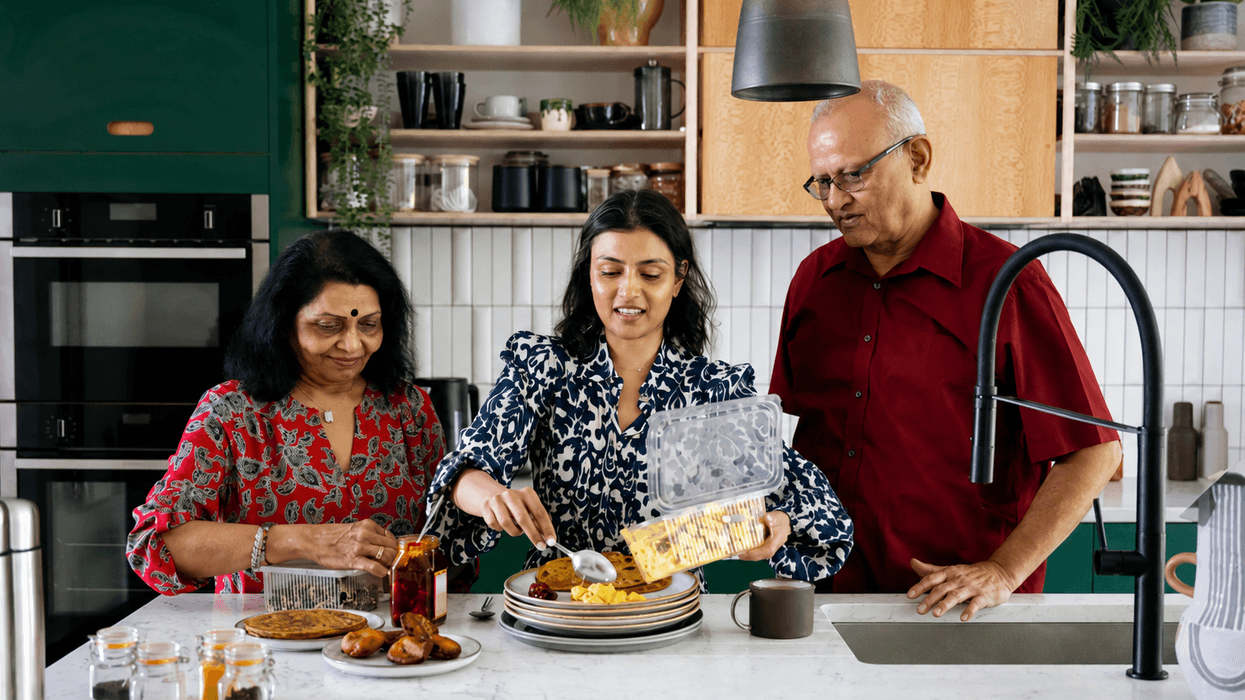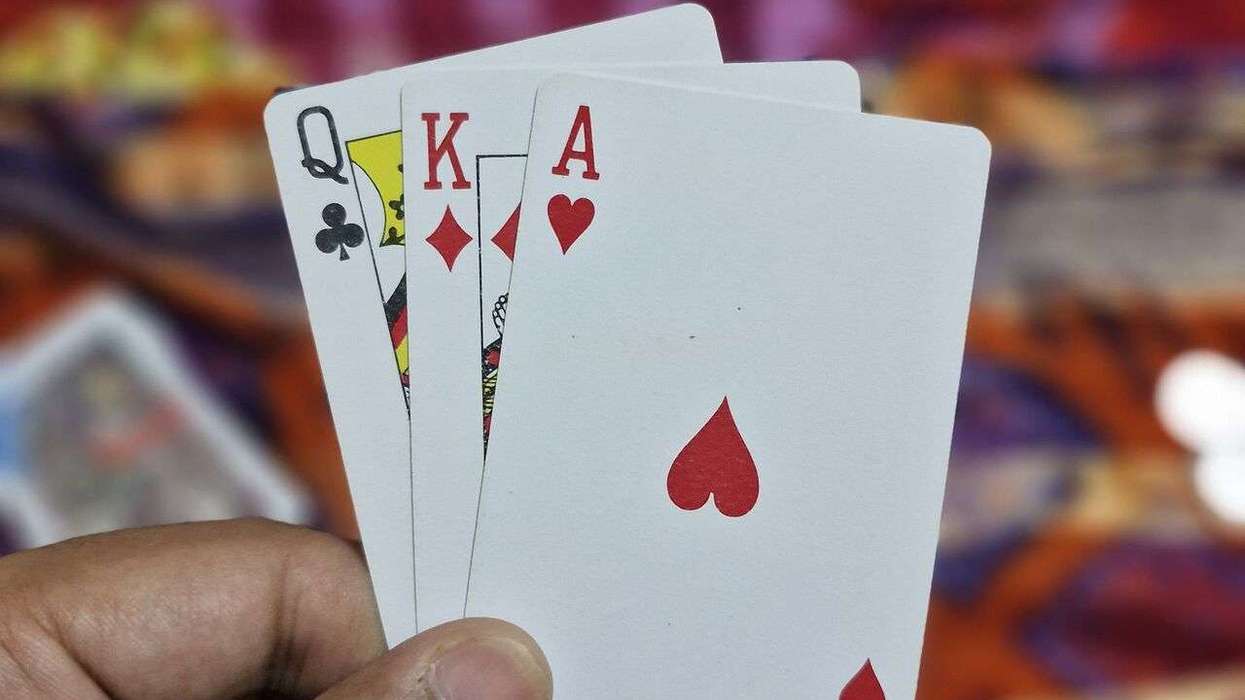

Card games are part of some Diwali gatherings in South Asian households and diaspora communities, including in the UK. The practice varies between families, regions and generations, so it is better understood as a cultural custom than as a universal feature of the festival. That distinction matters when a private ritual is compared with commercial gambling.
A dice game at the heart of the Mahabharata
One of the best-known gambling episodes in the Mahabharata centres on the Pandavas, who lose their wealth and freedom in a game of dice manipulated by their rivals. The episode leads to humiliation and exile rather than presenting gambling as a source of good fortune. Later popular traditions have connected Diwali with card play, but those customs should not be treated as a direct continuation of the epic itself.
In many modern gatherings, the game at the table is Teen Patti rather than dice. Teen Patti is a three-card game with a long cultural association in South Asia and is often compared with the British game Three-Card Brag. Its history is more complicated than a single origin story, however, and the social meaning of a Diwali card game depends heavily on the setting in which it is played.
Private tradition and commercial gambling are not the same
British gambling law draws an important distinction between private domestic gaming and commercial gambling. The Gambling Commission’s guidance on domestic gaming states that domestic gaming can take place without a licence when it is held in a private dwelling, on a domestic occasion, and no charge or levy is made for taking part. Those conditions matter: the exemption is not simply a blanket rule for any gambling that happens behind a front door.
Commercial remote gambling sits in a different regulatory category. An online casino serving consumers in Great Britain is part of the regulated gambling market rather than a private social game, and operators generally require the appropriate Gambling Commission licence. The digital format also changes the context: it involves a commercial service, real-money risk and consumer-protection requirements rather than a one-off family gathering.
The distinction is therefore not about cards being culturally acceptable and machines being inherently different. It is about context, commercial provision and the rules that apply. A private Diwali game can carry family or ritual meaning, while commercial gambling remains an adult activity involving the possibility of financial loss.
When ritual and gambling harm diverge
Cultural familiarity does not remove the possibility of harm. Shame and stigma can make gambling problems harder to discuss, particularly when they conflict with family expectations or community identity. Recent UK research on gambling harm has highlighted
how stigmatising attitudes can reduce the likelihood that affected people seek support. That is a useful counterweight to romanticising Diwali card play: an occasional tradition and harmful or repeated gambling are not the same thing, and neither should be used to normalise the other.