

LINNEA BERTHELSEN does very well to hold the stage at the Bush Theatre for 90 minutes, without an interval, recounting what happened in the 1984 Union Carbide tragedy, which is regarded as the world’s worst industrial disaster.
“I am alive,” emphasises her character, referred to as “She”, right at the start of the play. In marked contrast, thousands were not so lucky.
Since the tragedy occurred 42 years ago in Bhopal, in the Indian state of Madhya Pradesh, many younger members of the audience might not be fully aware of what happened on the night of December 2–3, 1984.
A word about Berthelsen, who has not revealed too much about her private life. She was born in India on July 13, 1993, and adopted by a Danish couple, who brought her up in Kalundborg, Denmark. She moved to England in 2014 and trained at the East 15 Acting School in Essex. She is best known for playing Kali Prasad in the Netflix series Stranger Things.
Darkling is written by Titas Halder and directed by Matthew Xia. The set, designed by Simon Kenny, is spare, with the focus entirely on Berthelsen. She takes the audience through the various stages of her life between the ages of seven and 18. Her mother having died when she was very young, her family includes her father and her sister, who is three years old.
The Americans had set up the Union Carbide plant to produce the pesticides needed by farmers to grow more crops during India’s Green Revolution. The deadly methyl isocyanate gas escaped from the plant, blanketing the nearby slums and killing thousands.
A government affidavit in 2006 stated that the leak caused approximately 558,125 injuries, including 38,478 temporary partial injuries and 3,900 severe and permanently disabling injuries. Estimates of the death toll vary, with the official number of immediate deaths being 2,259.
Others estimate that 8,000 or more died from gas-related diseases. In 1989, Union Carbide Corporation (UCC) of the United States paid $470 million to settle litigation stemming from the disaster.
Berthelsen’s exacting role is to create a range of images through words. Maybe the director should get her to make her tone conversational at times, as though she is chatting informally to the audience.
That would have created just the right atmosphere for the shift in mood when she describes what happened as the cyanide gas poured into the slums where people were asleep.
Her father died that night. His body had disappeared when she tried to find it later for cremation. She survived, as did her sister, who had moved to another town. She lost the baby she was carrying. Another baby she had later was stillborn and deformed.
Union Carbide is not named in the play. The audience learns from the narrator that when she was a little girl, the factory resembled a skeleton.
“The skeleton is fast becoming a huge metal creature,” she says.
But soon she notices “little drops of oil” in the drinking water. A boy she befriends tells her that the factory offers “a very special miracle – nourishment for the earth”. But then comes the night of unimaginable horror: “Breathe. Eyes open. Eyes burn… The sound of a thousand people crying out. Mothers screaming the names of their children. Children crying for their parents… The dead gape with horrored eyes and foamstained mouths. The moon lights bloodstains on greyed skin and milked pupils.”
She describes the birth of her child: “She is born. Twisted mass… She was born in the dark. Her heart already stopped.”
As the audience leaves, a poster reminds them that people are still suffering because the soil and water in the slums of Bhopal carry the legacy of 1984.


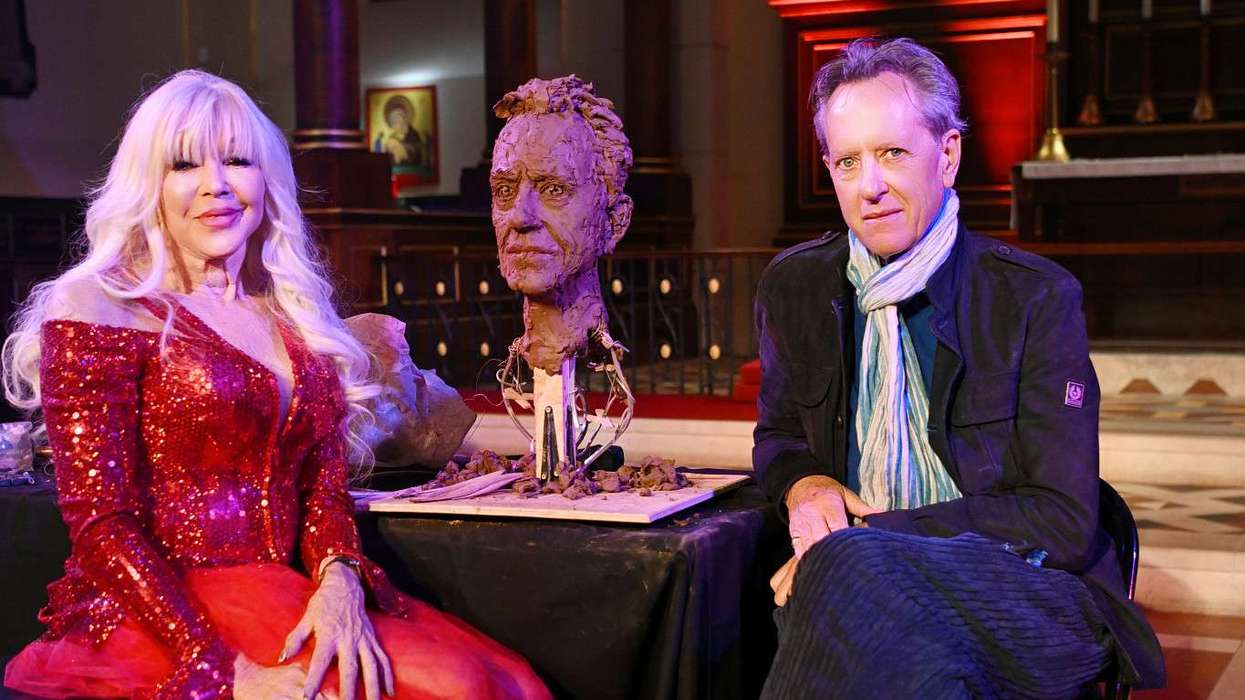
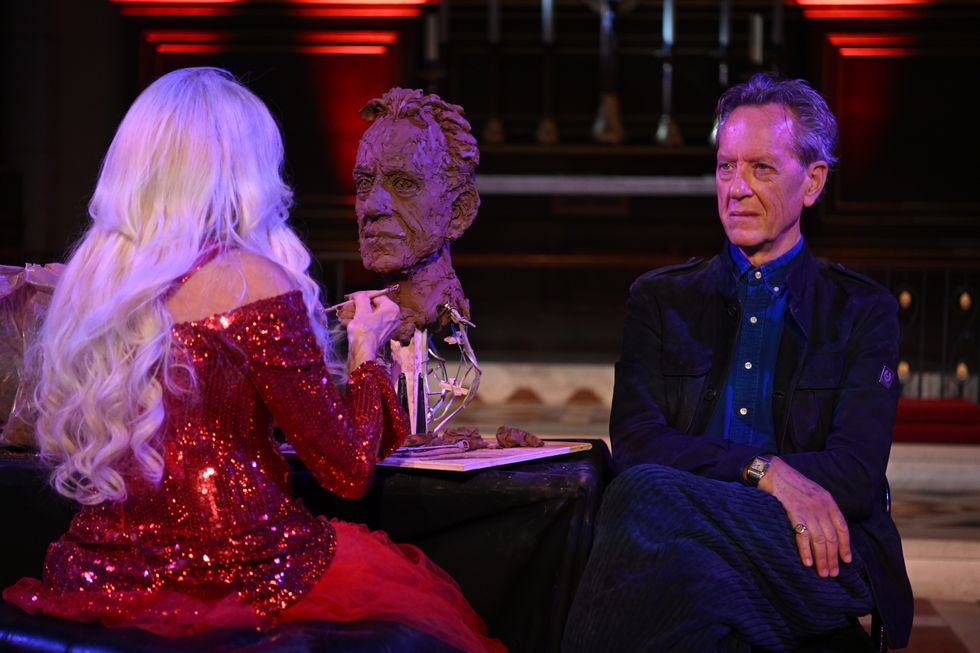 Frances Segelman makes bust of Richard E GrantSophie Dunne
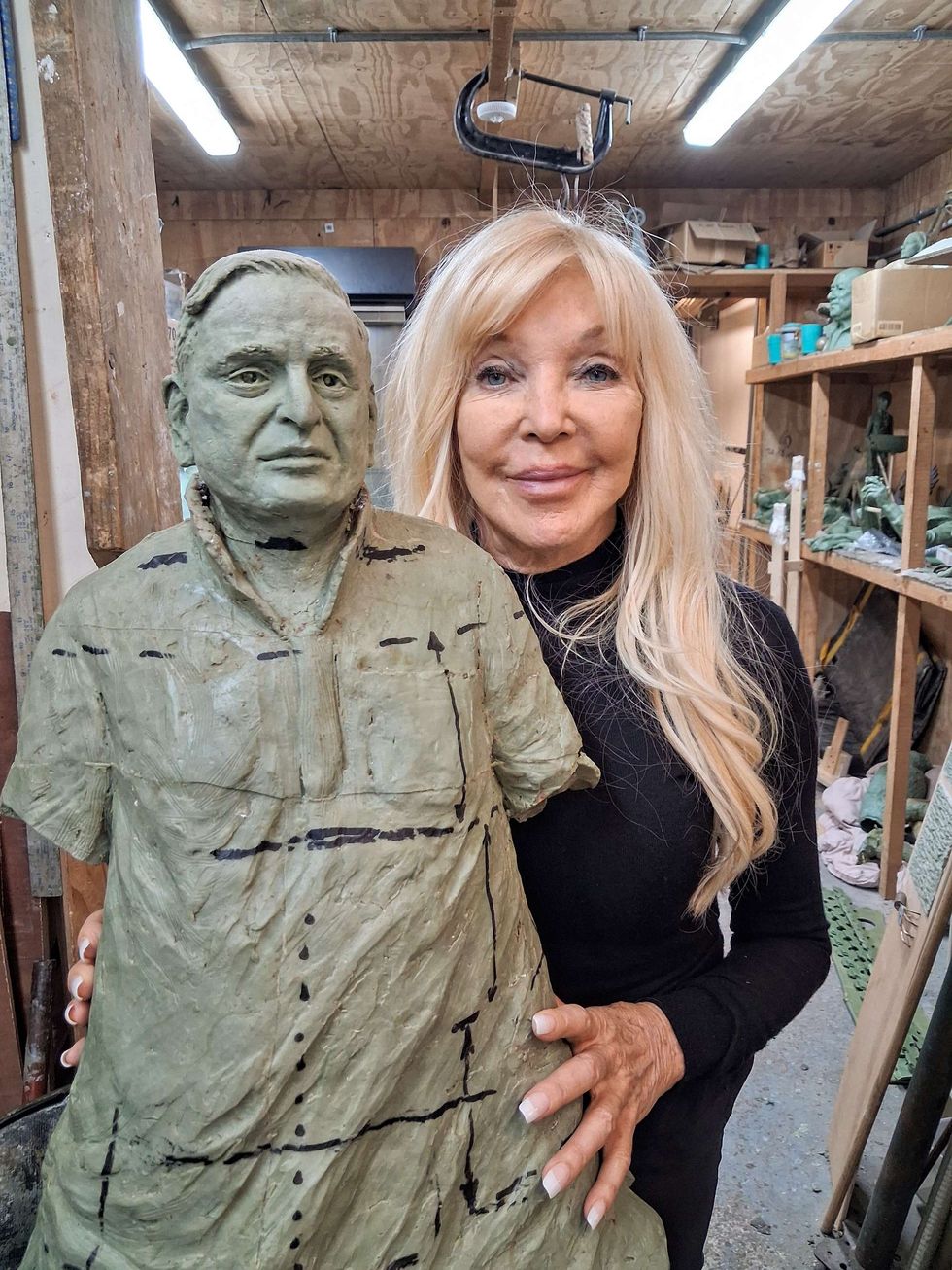 Frances Segelman with maquette of Mulayam Singh Yadav Sophie Dunne
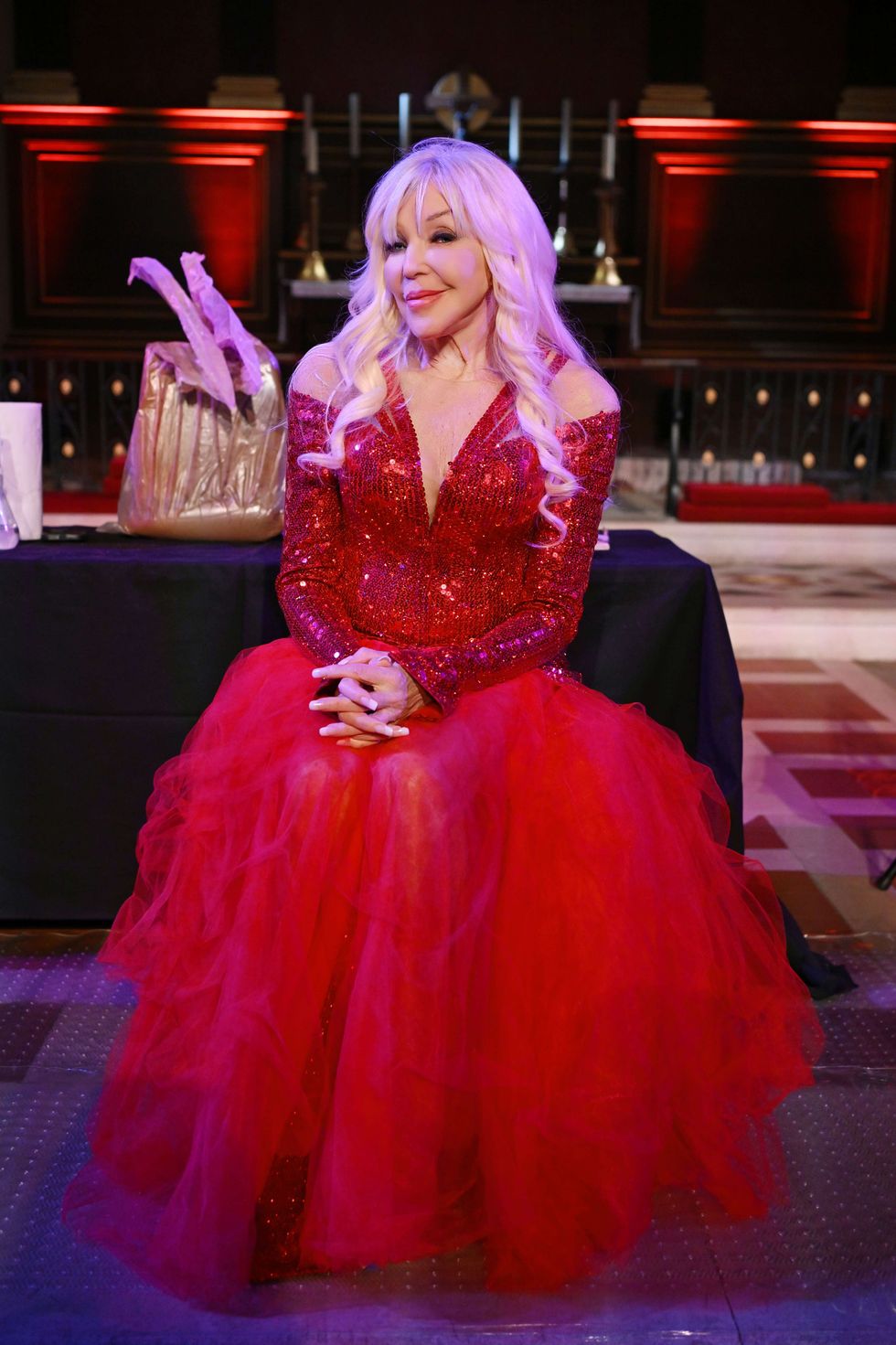 Frances Segelman was dressed by KruszynskaSophie Dunne
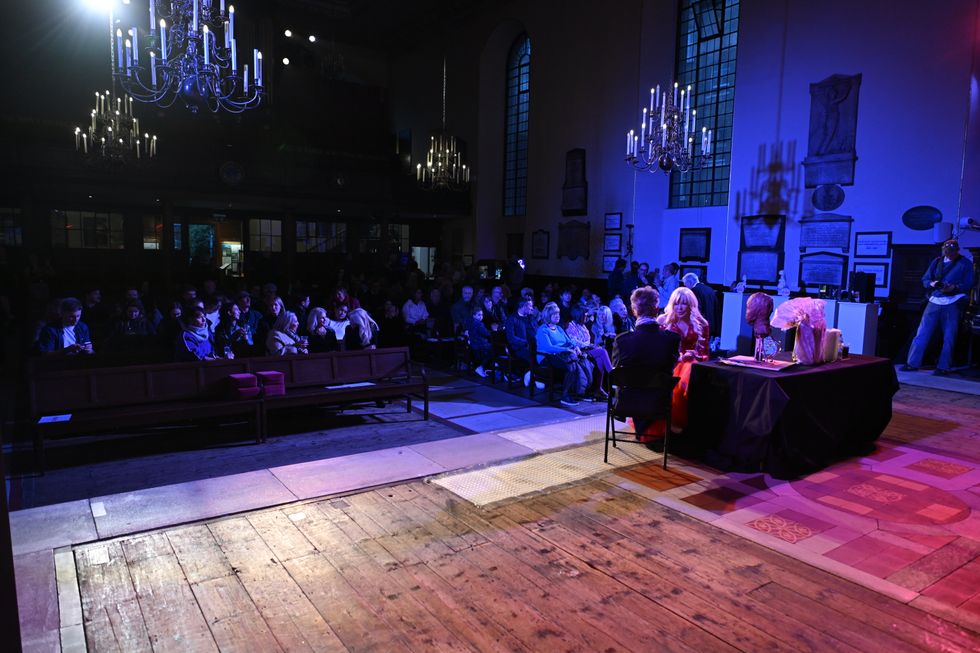 Frances Segelman live sculpting Richard E Grant in Actors' Church in Covent Garden.Sophie Dunne