
- UK car registrations rose 7 per cent to 160,662 in May.
- Electric vehicles accounted for more than 27 per cent of all sales.
- Chinese brands including BYD and Chery recorded some of the fastest growth rates in the market.
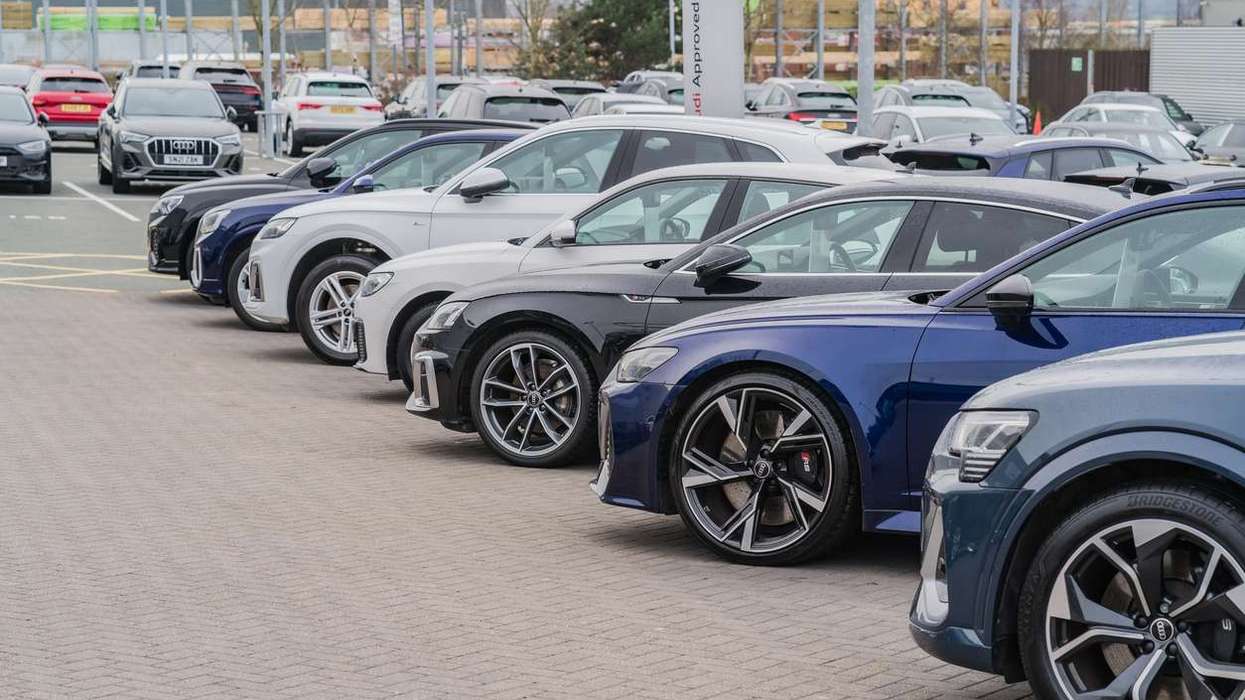
UK car sales climbed to their highest May level since before the pandemic, with strong demand for electric vehicles and rapid growth from Chinese manufacturers helping to drive the market higher.
New figures from the Society of Motor Manufacturers and Traders (SMMT) showed UK car registrations rose 7 per cent year-on-year to 160,662 vehicles in May. The increase marked the strongest performance for the month since 2019 and highlighted the growing influence of Chinese carmakers in the UK electric vehicle market.
Electric vehicles continued to gain market share, accounting for more than 27 per cent of all new registrations. Industry figures suggest rising fuel costs and government incentives for electric vehicles have encouraged more buyers to switch away from conventional petrol and diesel models.
China's growing footprint
Chinese manufacturers were among the biggest winners during the month.
Chery, through its Chery, Jaecoo and Omoda brands, sold around 11,100 vehicles in May, while BYD registered approximately 5,200 sales. Over the first five months of the year, BYD's sales doubled compared with the same period last year, while Chery's volumes increased fivefold.
Other Chinese-owned brands also expanded their presence. MG, owned by SAIC, recorded a 13 per cent rise in sales to nearly 7,500 vehicles. Meanwhile, Leapmotor and Geely sold around 900 and 1,100 vehicles respectively, having registered only minimal sales a year earlier.
The UK has become an increasingly important market for Chinese manufacturers as Britain has not introduced the punitive tariffs imposed by some other regions on Chinese vehicle imports.
Mike Hawes, chief executive of the SMMT, said, as quoted in a news report, that buyers were responding to a market offering more choice than ever from both established and newer brands.
Electric demand gathers pace
The latest figures suggest private consumers, rather than fleet buyers, played a major role in driving May's growth.
Sue Robinson, chief executive of the National Franchised Dealers Association, reportedly said consumers were increasingly considering lower-emission vehicles as fuel prices remained elevated.
The strength of electric vehicle sales has also improved the industry's chances of meeting the UK's Zero Emission Vehicle mandate. While battery electric vehicles remain below the headline requirement of 33 per cent of sales, analysts at New AutoMotive estimate the effective target is closer to 24.6 per cent because manufacturers can use a range of regulatory flexibilities, including sales of plug-in hybrid vehicles.
Ben Nelmes, chief executive of New AutoMotive, reportedly said there was growing momentum among private buyers for electric vehicles, adding that manufacturers had invested heavily in bringing new models to market.
Despite the improving sales figures, carmakers continue to push for changes to government targets. Hawes reportedly said the sector needed an urgent review of the Zero Emission Vehicle framework to provide what he described as a credible route towards net zero.
The latest sales data suggests demand for electric vehicles remains resilient, but the rapid expansion of Chinese brands is increasingly becoming one of the defining trends reshaping the UK's automotive market.