
- UK businesses can now access the ChatGPT Ads Manager beta.
- Sponsored links appear below AI-generated responses and are clearly labelled.
- Britain is the first European country included in OpenAI's advertising rollout.
The next battle for advertisers may not be on Google or social media platforms. It could be inside ChatGPT.
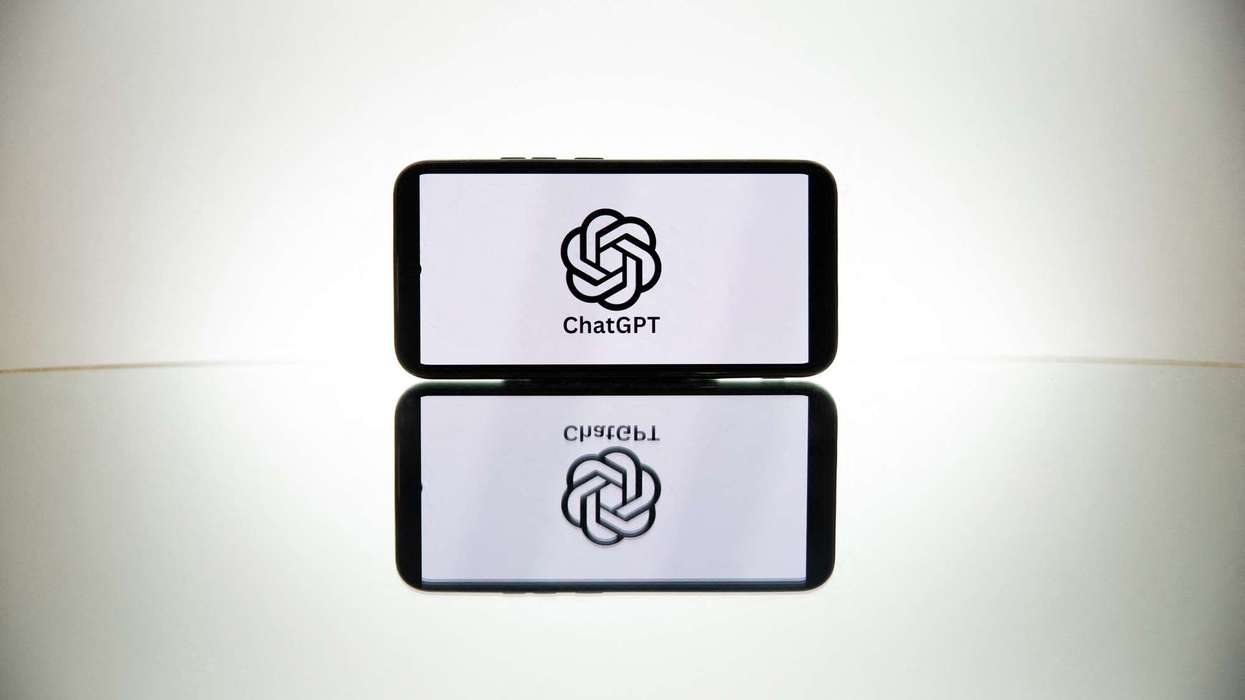
OpenAI has opened access to its ChatGPT Ads Manager beta for UK businesses, making Britain the first European market where advertisers can begin placing ads within the popular AI chatbot. The move marks another step in the company's efforts to build a new revenue stream around ChatGPT as competition intensifies in the artificial intelligence sector.
The UK rollout follows a pilot programme launched in the US in February 2026. Initially, participation was restricted to advertisers willing to commit between $200,000 (£147,000) and $250,000 (£184,000) in spending. Those requirements were gradually reduced before OpenAI removed minimum spending thresholds altogether in May.
According to information attributed to an OpenAI representative by Reuters, the pilot generated annualised revenue of around $100 million (£74 million) within six weeks of launch.
A new advertising space takes shape
Unlike traditional search advertising, ChatGPT's ad system does not rely on keyword auctions.
Instead, advertisers provide context about the types of conversations they want to appear alongside, while OpenAI's systems determine when and where sponsored content should be displayed.
The adverts appear beneath AI-generated responses and are clearly labelled as sponsored content. OpenAI has repeatedly stated that advertising does not influence ChatGPT's answers and remains visually separated from organic responses.
The company also says ads are only shown to users on its Free and Go subscription tiers. Users on Plus, Pro, Business, Enterprise and Education plans do not see advertisements.
For agencies, however, the platform currently operates differently from Google Ads. Rather than managing multiple client accounts through a central dashboard, agencies must be invited individually into each advertiser account.
OpenAI has instructed agencies not to create accounts on behalf of clients. Instead, businesses must establish their own accounts before granting access to marketing partners.
Privacy questions and advertiser interest
The UK launch arrives in a market known for close scrutiny of advertising standards and data privacy.
OpenAI says advertisers receive only aggregated performance metrics, such as impressions and click-through rates, and are not given access to individual user conversations or personal information. The company also says users can manage advertising preferences, dismiss ads and delete advertising-related data. Ads are not served to users under the age of 18, according to OpenAI.
Despite those safeguards, marketers are paying close attention to the platform because of the way people use ChatGPT. Users often arrive with specific questions, product comparisons or purchasing decisions already in mind.
Data released by advertising technology company Criteo suggested users referred from ChatGPT generated conversion rates around 1.5 times higher than other referral channels across a sample of 500 US retailers.
OpenAI appears to have ambitious plans for the business. The company has publicly forecast advertising revenue of $2.5 billion (£1.84 billion) in 2026, rising to $102 billion (£75 billion) by 2030.
For now, the UK rollout remains in beta and businesses must register interest before gaining access. But the arrival of ChatGPT advertising in Britain suggests AI chatbots are beginning to evolve from information tools into commercial platforms, creating a potentially significant new channel for marketers.