
Highlights
- A Lords committee has criticised plans to double the wait for indefinite leave to remain (ILR) from five to 10 years
- Peers said applying the change to migrants already in the UK could be “manifestly unfair” and possibly unlawful
- The Home Office said the reform was needed after record levels of migration in recent years
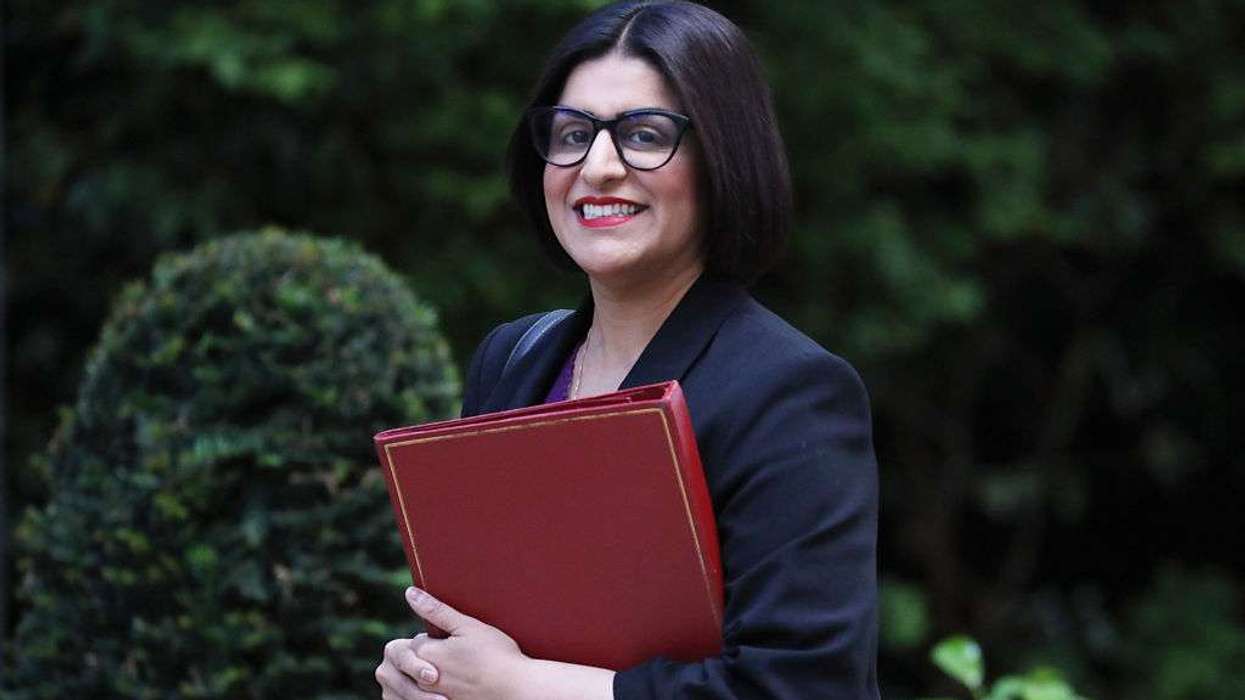
PLANS by home secretary Shabana Mahmood to make migrants wait longer before gaining the right to stay in the UK permanently could be “manifestly unfair” and potentially unlawful, a Lords committee has warned.
The House of Lords justice and home affairs committee said the government’s proposal to double the qualifying period for indefinite leave to remain (ILR) from five years to 10 years could damage Britain’s reputation as a destination for skilled workers, the Telegraph reported.
The committee raised particular concerns about the plan being applied retrospectively to migrants already living in the UK.
“Any retrospective change would be manifestly unfair – and may be unlawful – towards migrants, who have planned their lives around the current system and made significant long-term decisions, such as career, housing and family life decisions with the expectation that they would be able to qualify for ILR under the current rules," it noted.
The Lords added that such a move could make the UK “a less attractive destination for highly skilled migrants in the future”.
Mahmood's proposal, announced last November, has already faced opposition from some Labour MPs. As many as 100 MPs, including former deputy prime minister Angela Rayner, have raised concerns, calling the move “unfair” and “un-British”.
Burnham criticised the proposal
Andy Burnham, who is now seen as a leading figure in Labour’s future leadership discussions after winning the Makerfield by-election, had also criticised the proposal when it was announced.
He earlier said that extending the wait would leave people “in a sense of limbo and unable to integrate”. He wanted to keep the existing five-year route to settlement.
The Lords committee said people who gave evidence had described major life decisions they made after coming to the UK, including leaving family behind, giving up jobs, selling homes, taking loans and delaying plans to have children.
Madeleine Sumption, director of Oxford University’s Migration Observatory, said the changes could affect Britain’s image abroad.
“The UK might be seen as an unreliable place to be a migrant, and in the future that could have a knock-on effect on attracting people who the UK wants to attract,” she was quoted as saying.
Legal experts have also warned that the proposals could face challenges, arguing that changing rules for people already on a settlement route raises questions about fairness and the rule of law.
However, Home Office minister Mike Tapp told the committee that the government had received legal advice and believed the changes would be lawful. He said impact assessments would be published later.
The Home Office defended the policy, saying people who come to Britain should contribute before being granted permanent residence.
A spokesman said: “We will always welcome those that come to this country and contribute to our national life. But the privilege of living here forever should be earned, not automatic.”
The department said migration levels between 2021 and 2024 reached levels historically seen more than four decades and argued that the reforms were needed to manage the impact of large numbers of people becoming eligible for settlement.
According to reports, ministers are considering whether the new rules should also apply to migrants already living in the UK who have not yet secured settled status. The Home Office said it was reviewing more than 200,000 consultation responses before announcing its final decision.