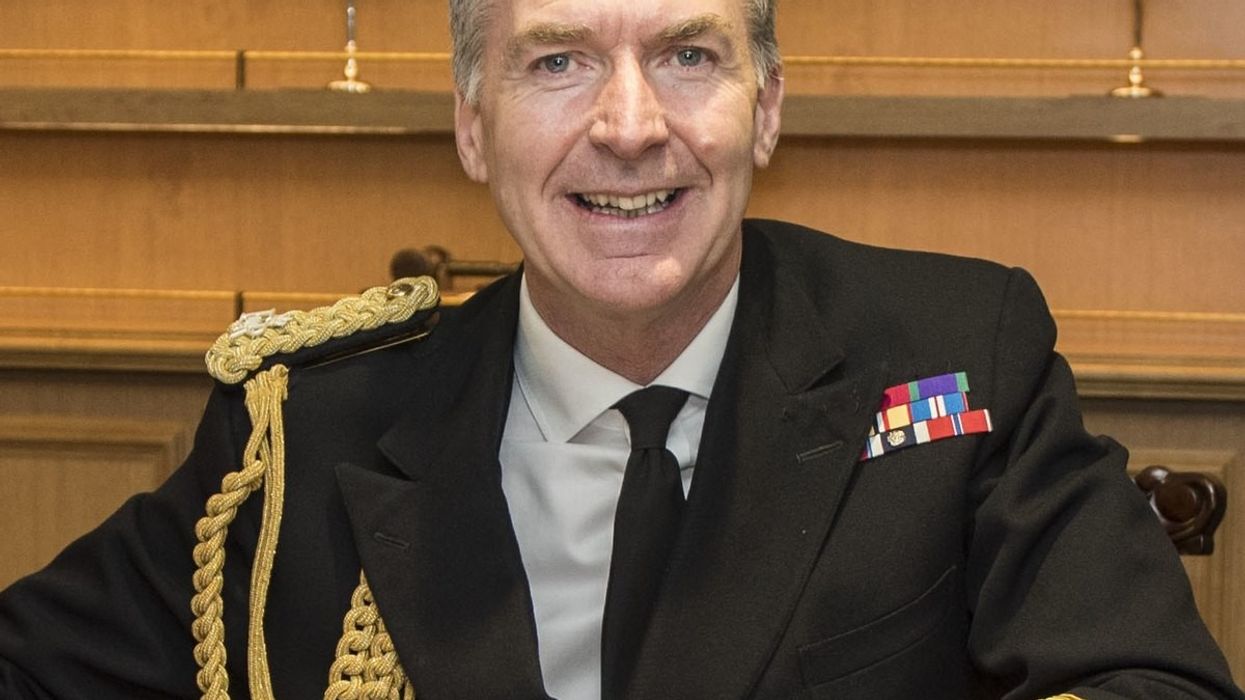

BRITAIN's new head of the armed forces has said that the military must embrace the country’s racial, gender and religious diversity, The Guardian reported.
In his first speech, Adm Tony Radakin declared that the armed forces had to “strive to do better” in every “aspect of our leadership”.
“That includes reflecting the diverse nation we serve. Because if we don’t, then quite simply, we risk looking ridiculous," he was quoted as saying by the newspaper.
The chief of the defence staff, the first to come from the navy for two decades, said diversity was “not about wokefulness”.
He added: “It is about woefulness. The woefulness of too few women. The woefulness of not reflecting the ethnic, religious and cognitive diversity of our nation. And the woefulness of not following our own values, whether respect for each other or the simple integrity of claiming expenses. This affects our culture, our fighting power, our prowess.”
A parliamentary report in June concluded that two-thirds of women in the armed forces said they had experienced bullying, sexual harassment and discrimination during their career and that the three forces were “failing to protect” female recruits.
It prompted the Ministry of Defence to say last week that it wanted to dramatically increase the proportion of women serving in the armed forces, setting a new target that 30 per cent of new recruits should be female by 2030.
According to the report, women currently account for 11 per cent of service personnel while the proportion who are from black and minority ethnic backgrounds is just 9.2 per cent.
In March, a senior army officer, Maj Gen Nick Welch, was found guilty at court martial of dishonestly claiming almost £50,000 in allowances to pay for his children’s boarding school fees. He is believed to be the most senior officer to have faced a court-martial since 1815.
Radakin, 55, was picked from a field of five by Boris Johnson to replace Sir Nick Carter in the £270,000-a-year role. Born in Oldham, he trained as a barrister but has served in the navy since 1990, working his way through the ranks until becoming head of the navy in 2019.
The Guardian reported that the speech avoided a lengthy analysis of geopolitical issues. However, Radakin argued that the rise of China and Russia over the last 20 years showed that state power “is back with a vengeance”.
In his speech, Adm Radakin sought to justify the military in domestic political terms, citing three of Johnson’s political slogans – “Global Britain. Levelling Up. Strengthening the Union” – as providing benefit in terms of jobs and status around the UK.
“If you are in any doubt you only need look to Barrow-in-Furness. It’s a community whose very identity is rooted in a sense of purpose that comes from building nuclear submarines – and the feelings of pride and accomplishment are palpable inside and outside the factory gates,” he was quoted as saying by The Guardian.





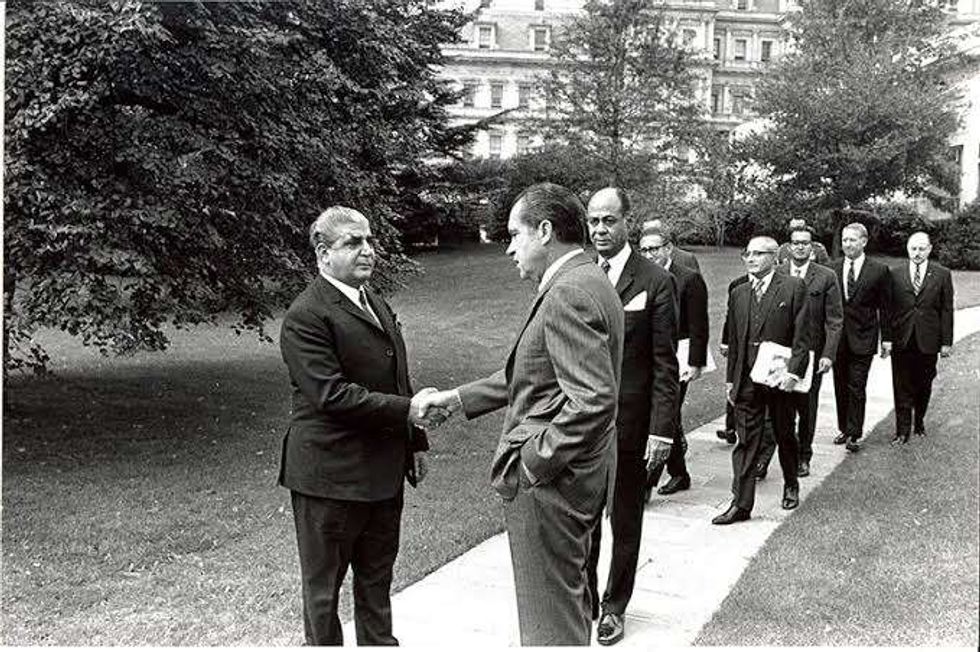 Yahya Khan of Pakistan with President Richard Nixon in Washington in 1970Eastern Eye
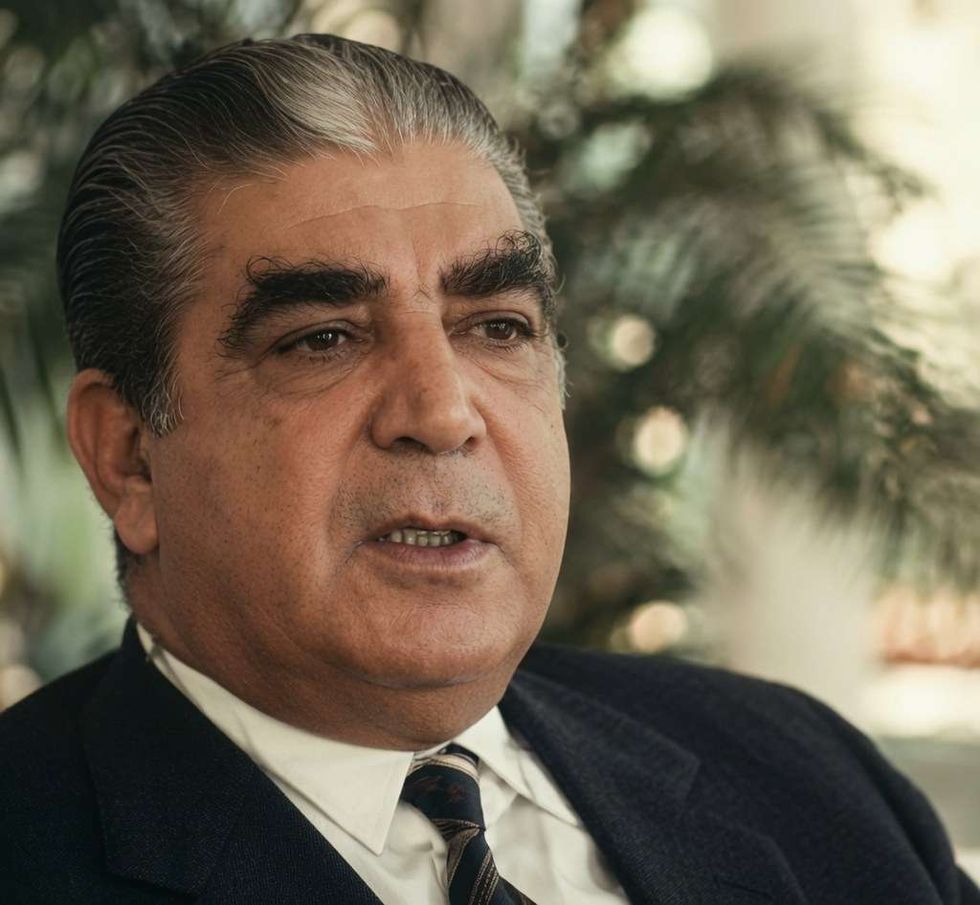 Yahya Khan of PakistanEastern Eye
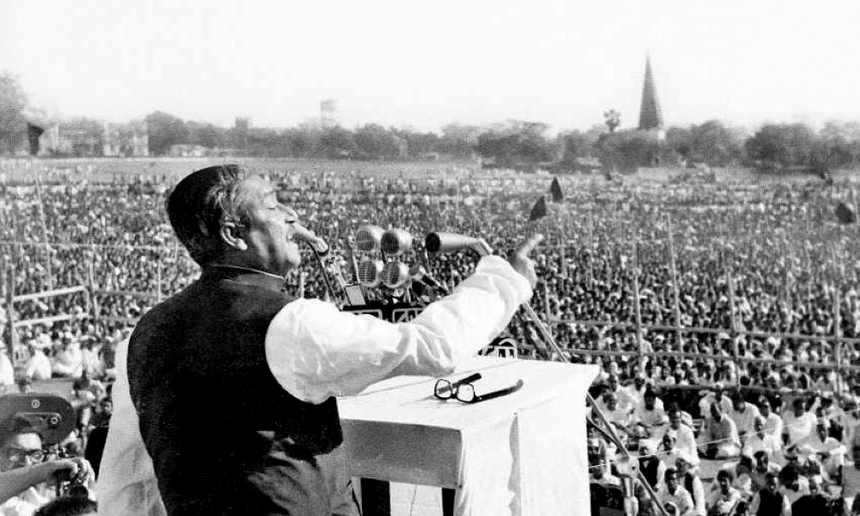 Sheikh Mujibur Rahman addressing a rallyEastern Eye
 Rehana sister of Sheikh Hasina Eastern Eye
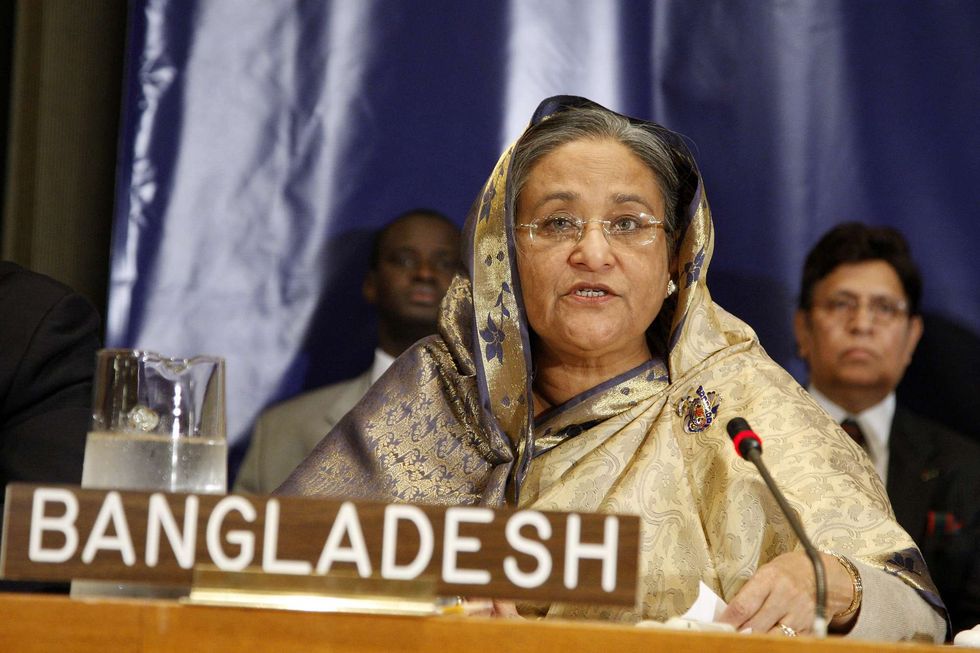 Sheikh Hasina credit
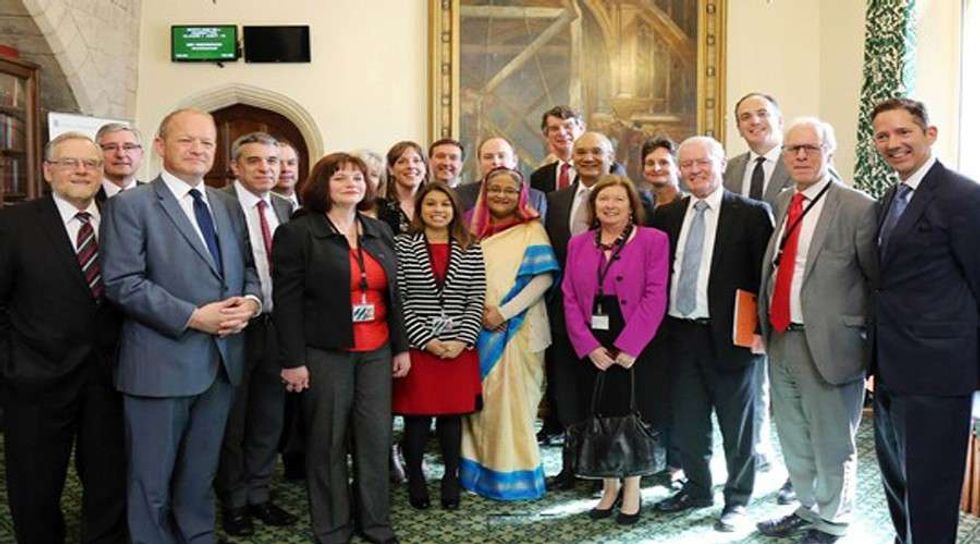 Sheikh Hasina and her niece MP Tulip Siddiq in the Commons in 2015 when she was prime ministerEastern Eye



