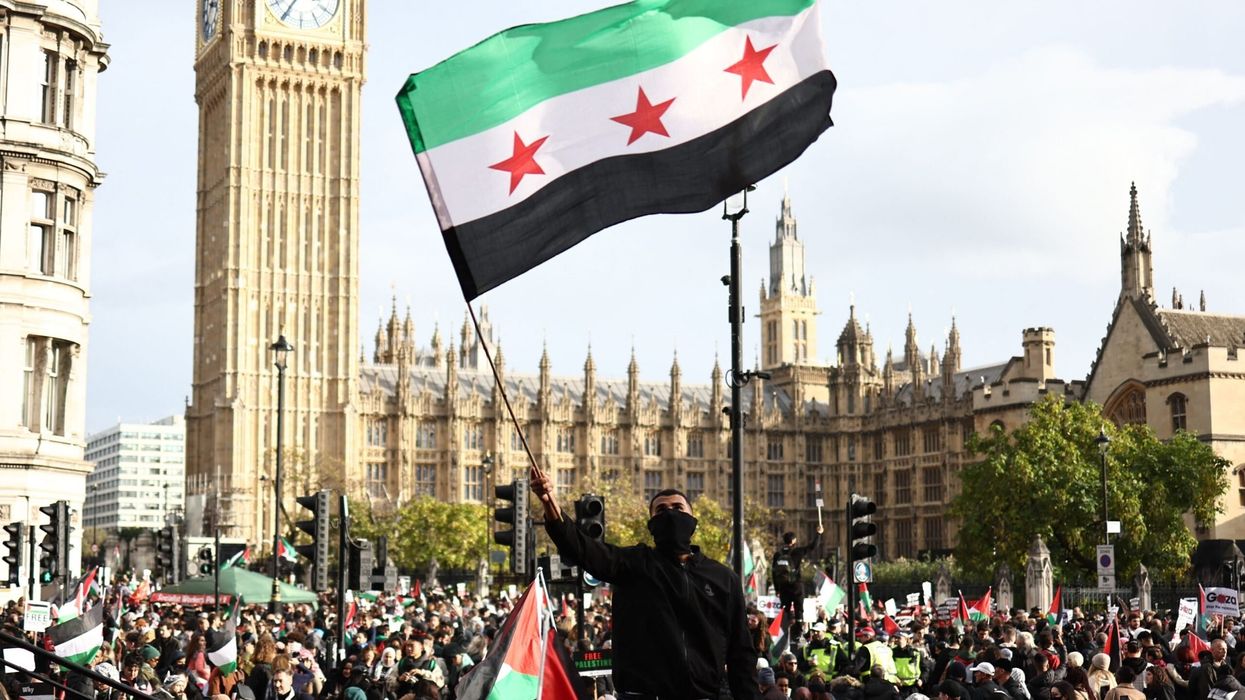

VERY few people in the Middle East will be familiar with Sir Keir Starmer, so whether or not the Labour leader calls for a ceasefire in Israel’s military action on Hamas in the Gaza strip is pretty much irrelevant.
Even prime minister Rishi Sunak is not really a player.
Starmer’s stance in not calling for a ceasefire is strictly of domestic significance. He seems to have upset a big part of Britain’s Muslim population, judging by callers on LBC.
There was an interesting article by Andrew Gimson on the ConservativeHome website: “British Muslims, so various that they are often misrepresented.”
He included statistics: “According to the 2021 census, 6.5 per cent of the population of England and Wales – 3,868,133 people – are Muslim, including 1,318,754 in London; 569,963 in the West Midlands; 563,105 in Northwest England; and 442,533 in Yorkshire and the Humber.
“Much the greatest number are of Pakistani origin – over 1.5 million in the 2021 census. In south Asia, Bangladesh, with 15 per cent of British Muslims and India, with eight per cent, come next.”
Muslims come from many cultural backgrounds, his article pointed out: “Muslims have also come to Britain from Cyprus, Turkey, Iraq, Syria, Yemen, Lebanon, Jordan, Egypt, Palestine, the Maghreb, Nigeria, Somalia, Afghanistan and many other places.”
He referred to eight-chapter headings in Inside British Islam, by Innes Bowen, published in 2014: “1. The Deobandis: The Market Leaders; 2. The Tablighi Jamaat: Missionaries and a Mega Mosque; 3. The Salafis: “Don’t call us Wahhabis!”; 4. The Jamaate-Islami: British Islam’s Political Class; 5. The Muslim Brotherhood: The Arab Islamist Exiles; 6.
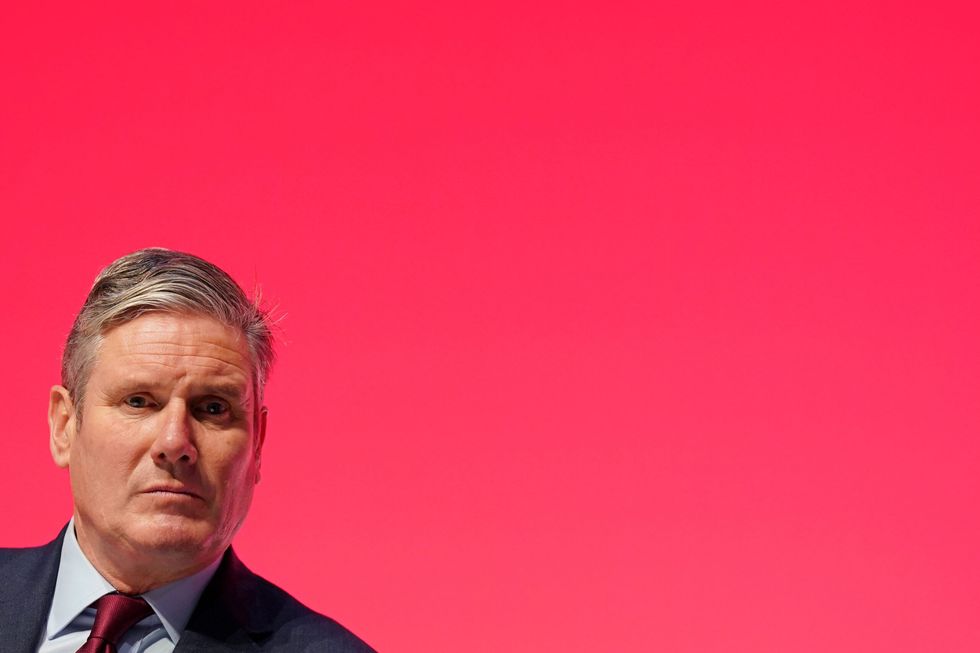 Sir Keir Starmer
The Barelwis: Sufis and Traditionalists; 7. The Shia “Twelvers”: Najaf in Brent; and 8. The Ismailis: The Dawoodi Bohras and the Followers of the Aga Khan.”
Starmer may not have anticipated the Muslim backlash, but he will be loath to call for a ceasefire that might harm his chances of becoming prime minister. Though he once supported Jeremy Corbyn, he does not want Labour to be accused of being anti-Semitic under his leadership as well.
One can sympathise with Starmer’s dilemma. He will reckon that by the time the next election comes round, Muslim anger will probably have abated. He will calculate that to a great extent, their votes can be taken for granted. Who else can they vote for?
Leaving aside the circular politics of bloodshed in the Middle East, in which Britain has little or no influence, this is a moment of truth especially for Pakistanis and Bangladeshis. Personally, I would like to see young British Asian Muslims come forward and offer to protect synagogues and Jewish schools and other establishments.
Indians, too, once voted blindly for Labour. But they were aspirational and wanted better lives for themselves and their children, a significant proportion of whom go to fee-paying schools, thanks to the enormous sacrifices made by their parents.
Incidentally, India is the only country in the world in which the Jews have always felt safe.

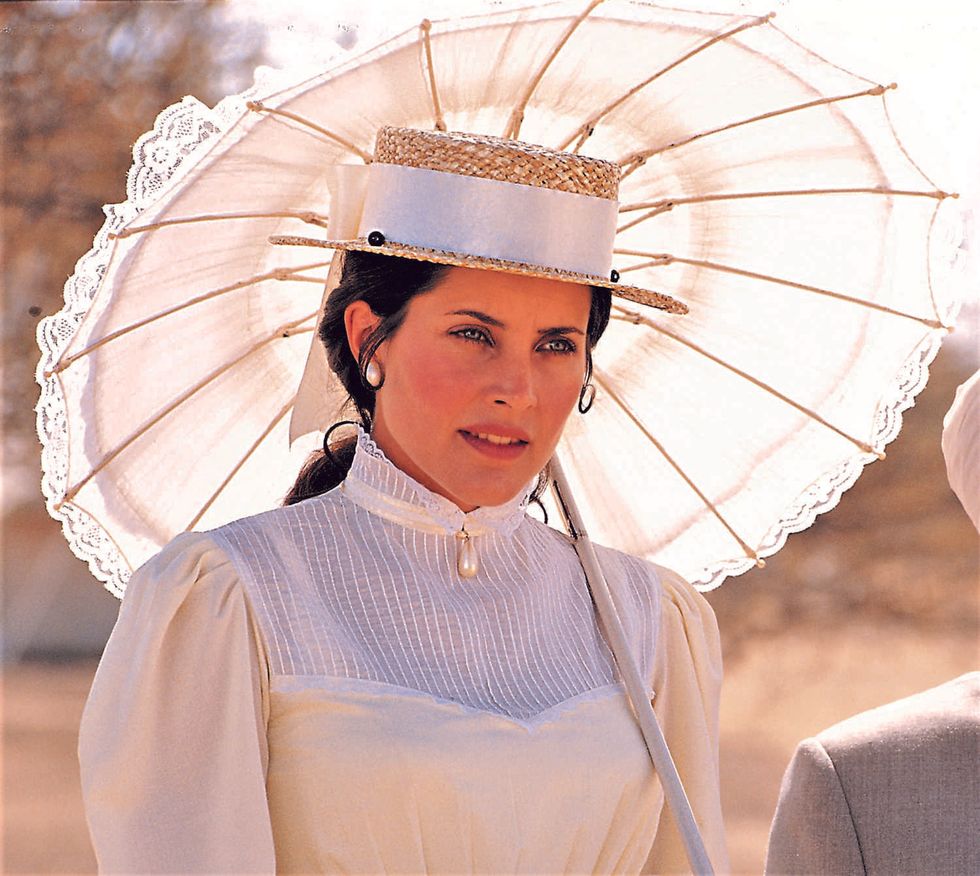 Rachel Shelley as ElizabethAamir Khan Productions
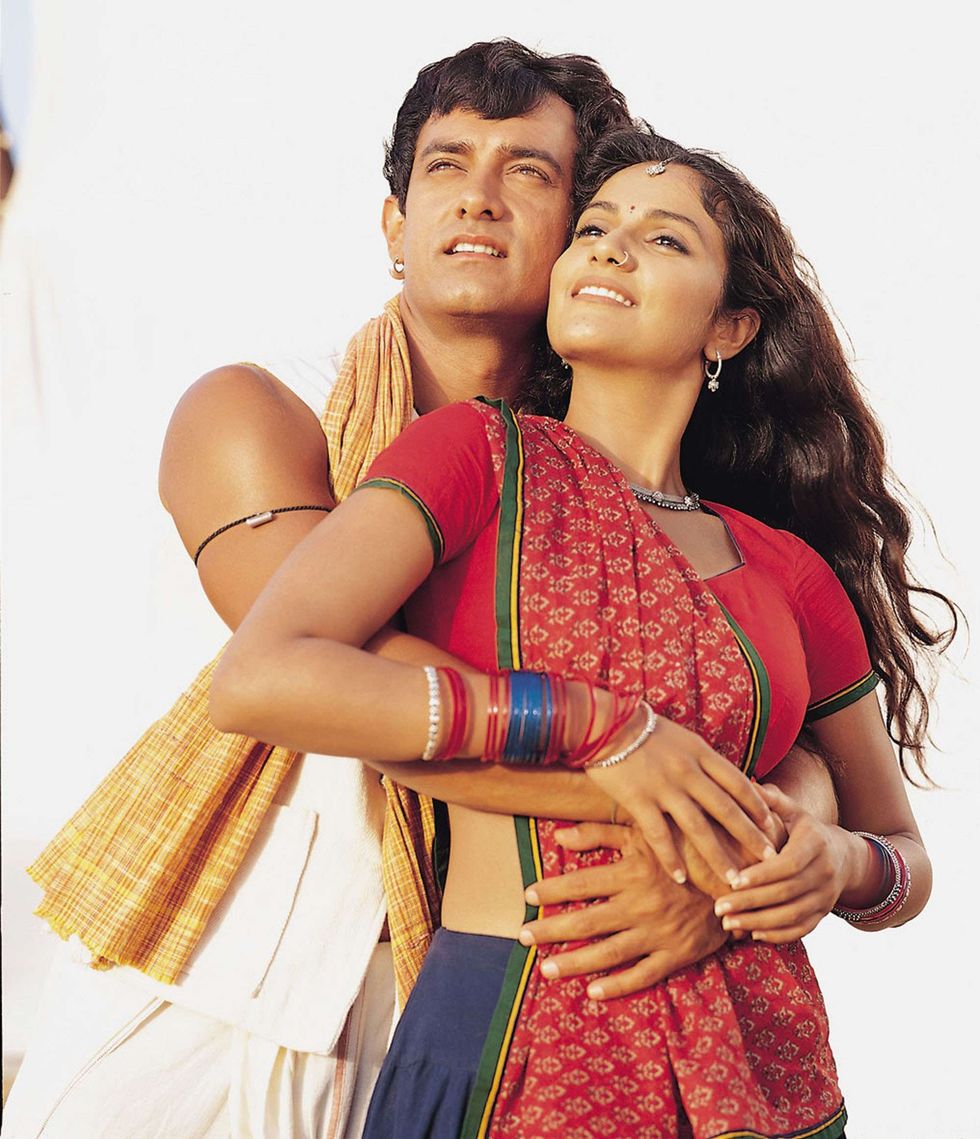 Aamir with co-star Gracy SinghAamir Khan Productions