ALMOST two-thirds of black and minority ethnic (BAME) MPs have experienced some form of racism while working in parliament, new research has shown.
According to a recent study carried out by ITV, half of respondents said they have faced abuse from fellow MPs.
The study was based on anonymous responses of 37 of the 65 BME MPs in the current parliament.
The respondents include MPs from the Conservatives, Labour and the Liberal Democrats.
Around 62 per cent said they faced “racism or racial profiling” while on the parliamentary estate. More than half of the MPs had faced it from their colleagues.
Of the MPs, 92 per cent said they believed their ethnicity made it harder for them to enter parliament, while 83 per cent said it had made their job more difficult.
The study even revealed that 83 per cent of MPs had experienced racism from the public.
Shockingly, Brent Central MP Dawn Butler said that she had once been ‘escorted’ out of the member’s tea room by a police officer. "Though he was told I was a member of parliament", she said.
Labour MP for Hampstead and Kilburn Tulip Siddiq told ITV that when she was pregnant a colleague was ‘surprised’ that Siddiq was having a daughter.
In the latter’s opinion, people from Asian backgrounds were likely to abort girls.
Siddiq added that when she was first running for parliament someone advised her to use her husband’s surname, because “people wouldn’t vote for ‘Tulip Siddiq’”.
Other MPs said they had been spat at in the street because of their religion.
Afzal Khan, the Labour MP for Manchester Gorton, shared his experience of getting racist letters and emails asking to “go back to Pakistan.’”





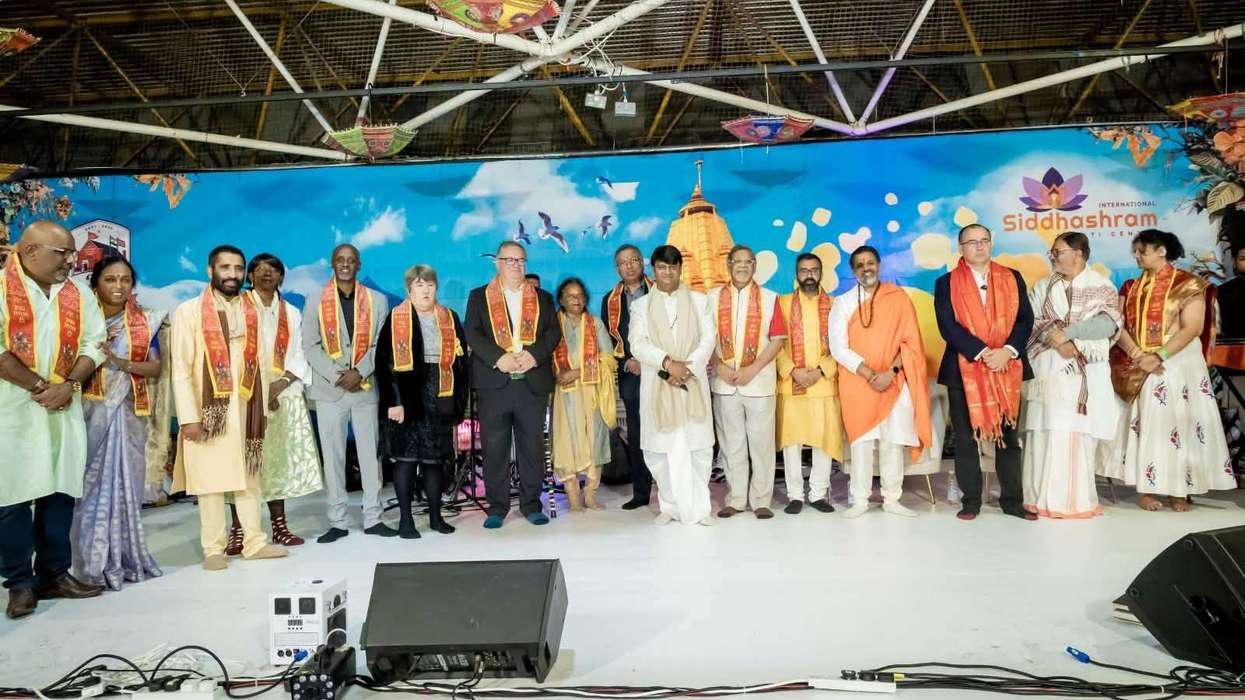
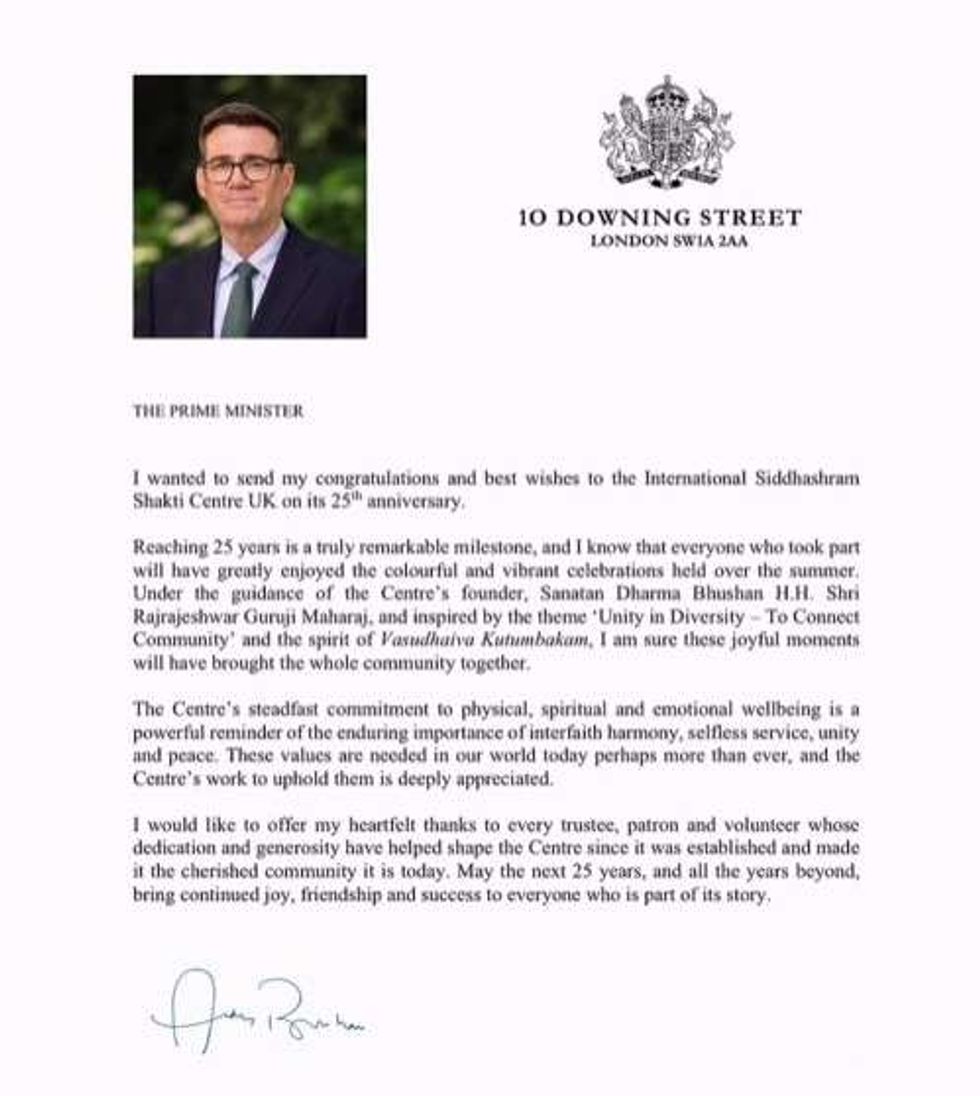 Siddhashram PM's letterEastern Eye