
Skip to content
Search

Latest Stories

WHO confirms bird flu case in Indian child

The WHO stated that the child had contact with poultry both at home and in the surrounding environment.

WHO confirms bird flu case in Indian child

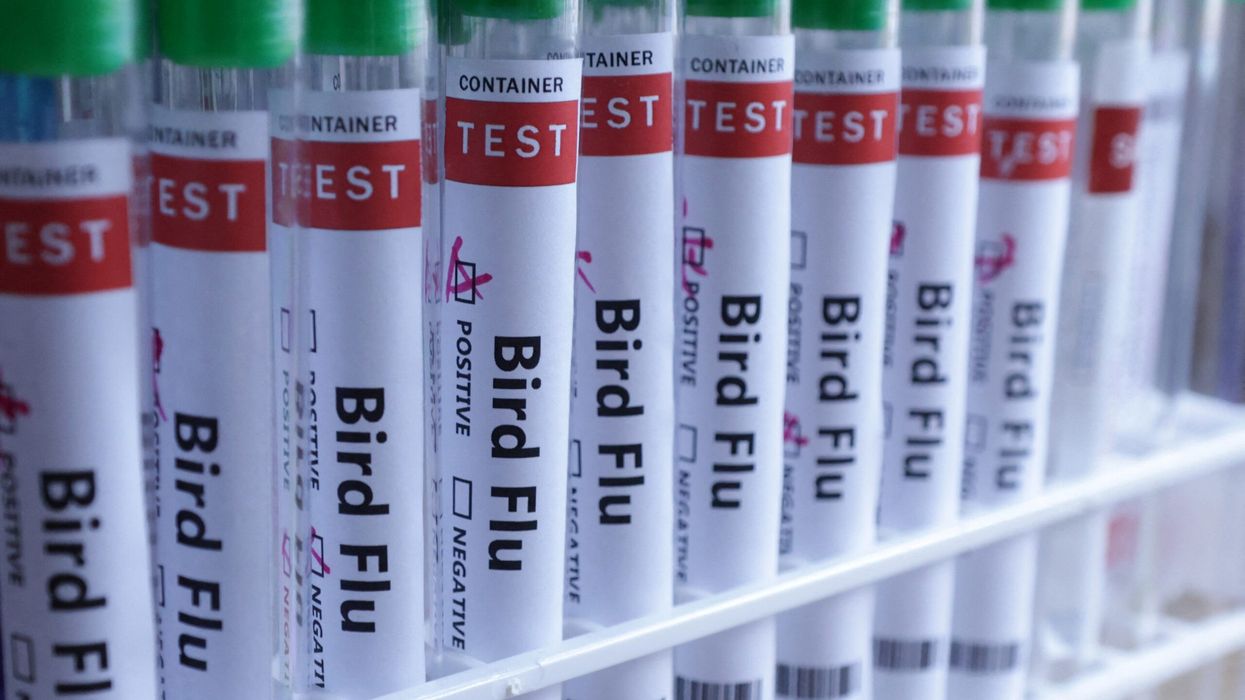
The World Health Organization (WHO) announced on Tuesday that a case of human infection with bird flu caused by the H9N2 virus was identified in a four-year-old child in West Bengal, India.

The child was admitted to the pediatric intensive care unit of a local hospital in February, experiencing severe respiratory issues, high fever, and abdominal cramps.


After three months of diagnosis and treatment, the patient was discharged, according to the WHO.

The WHO stated that the child had contact with poultry both at home and in the surrounding environment. No respiratory illness symptoms were reported among family members and other contacts of the child.

Information on the child's vaccination status and details of antiviral treatment were not available at the time of reporting, the WHO added.

This marks the second human infection of H9N2 bird flu in India, with the first case reported in 2019, according to the WHO.

The H9N2 virus usually causes mild illness, but the WHO noted that further sporadic human cases could occur due to the prevalence of this avian influenza virus in poultry across various regions.

An immediate response from the Indian health ministry was not available during late hours.

(Reuters)

More For You

Climate change could increase child stunting in south Asia by 2050, a study finds

Researchers at the University of California Santa Barbara examined how exposure to extremely climate conditions during pregnancy impacts children's health

iStock - Representative image

Climate change could increase child stunting in south Asia by 2050, a study finds

Highlights

  • Over 3 million additional cases of stunting projected in south Asian children by 2050 due to climate change.
  • Hot-humid conditions four times more harmful than heat alone during pregnancy's third trimester.
  • Early and late pregnancy stages identified as most vulnerable periods for foetal development.

Climate change-driven heat and humidity could lead to more than three million additional cases of stunting among south Asia's children by 2050, according to a new study that highlights the severe health risks facing the world's most densely populated region.

Researchers at the University of California Santa Barbara examined how exposure to extremely hot and humid conditions during pregnancy impacts children's health, focusing on height-for-age measurements, a key indicator of chronic health status in children under five.

Keep ReadingShow less