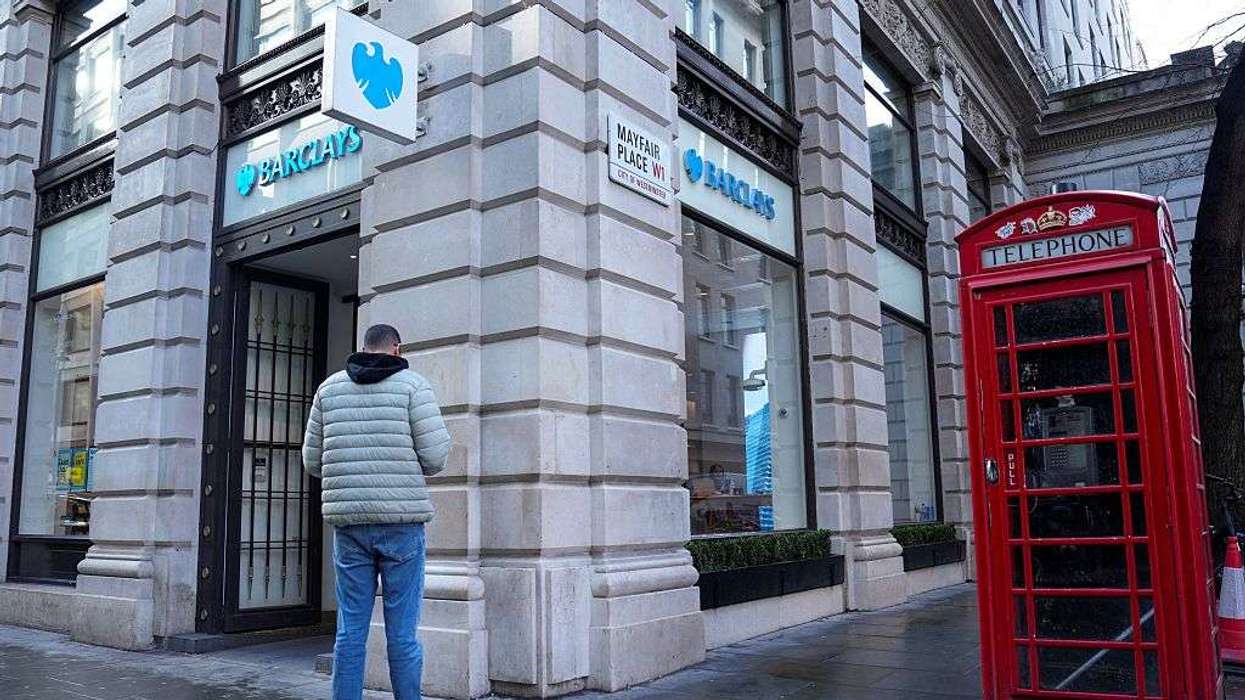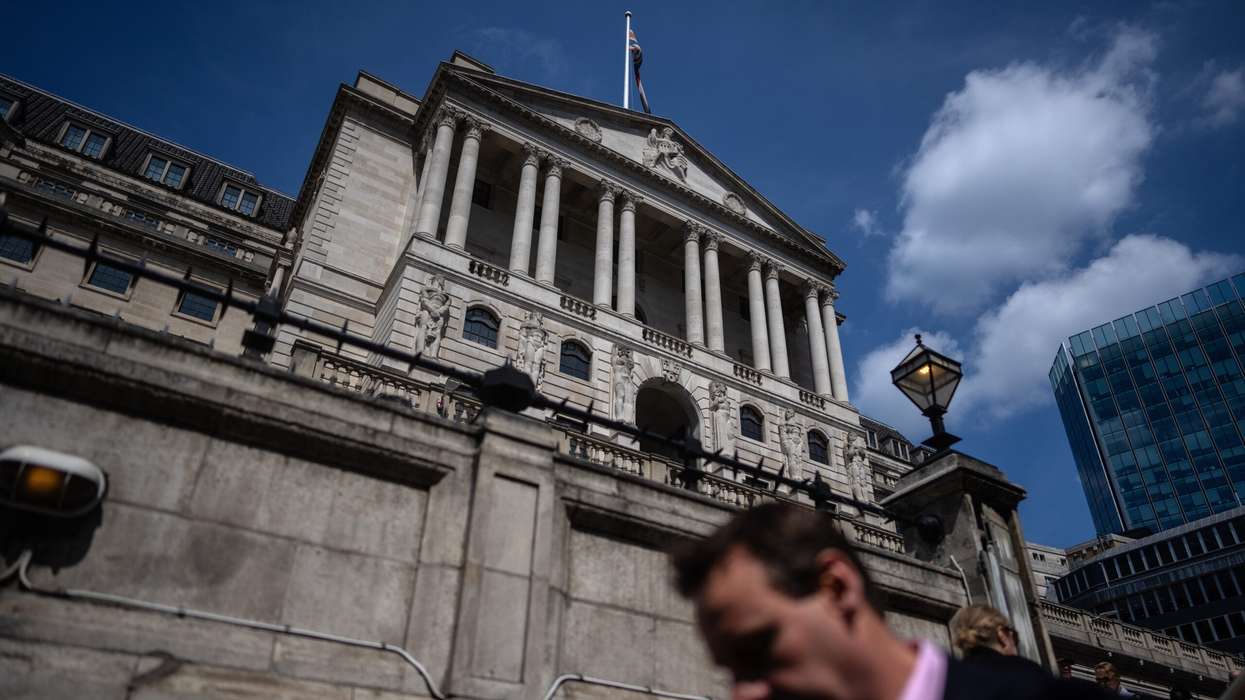

THE BANK OF ENGLAND on Thursday kept its benchmark interest rate unchanged at 3.75 per cent as it watches inflation, with pressure from higher energy prices linked to the Middle East war.
"War in the Middle East has pushed up global energy prices," BoE governor Andrew Bailey said, adding that "if it lasts, it will feed into higher household energy bills".
All nine policymakers voted to hold the benchmark rate, marking the first unanimous decision since September 2021.
The decision was expected and comes as major central banks act with caution over concerns about an energy shock. The European Central Bank (ECB) was also set to keep borrowing costs unchanged on Thursday.
Before the war, analysts had expected a March rate cut, with UK inflation seen moving towards the bank's two per cent target.
However, the BoE said on Thursday that "inflation will be higher in the near term as a result of the new shock to the economy".
The BoE said it "stands ready to act" to address any rise in inflation.
The central bank now expects inflation to reach 3.0 per cent in the second quarter and 3.5 per cent in the third quarter.
The concerns over inflation come as Britain's economy has remained flat and the labour market is weak.
"In contrast to the energy price shock in 2022, this shock was occurring at a point when growth was below potential," the BoE said in its meeting minutes.
The energy shock linked to the Middle East war is also expected to be a key issue at the ECB meeting, amid concerns about its impact on the eurozone economy.
The US Federal Reserve kept rates unchanged on Wednesday, followed by the Bank of Japan.
The BoE last reduced its interest rate in December, cutting it by a quarter point to 3.75 per cent.
A rate cut can lower borrowing costs for individuals and businesses but reduces returns on savings held in banks.
Retail banks in Britain usually pass on BoE rate cuts to customers, lowering costs for mortgages and business loans.