
THE Bank of England on Thursday (3) hiked its key interest rate for a 14th time in a row, by a quarter-point to 5.25 percent as UK inflation stays high, prolonging a cost-of-living crisis.
Policymakers "will continue to monitor closely indications of persistent inflationary pressures", the BoE said in a statement following a regular meeting that sent borrowing costs to the highest level in more than 15 years.
"The MPC (Monetary Policy Committee) will ensure that Bank Rate is sufficiently restrictive for sufficiently long to return inflation to the two per cent target," the BoE said in fresh guidance about the outlook for borrowing costs.
"Some of the risks of more persistent inflationary pressures may have begun to crystallise," it added.
The pound dropped following the announcement as traders bet on whether this could be the final increase from the BoE in the current tightening cycle.
British annual inflation remains close to eight per cent, far higher than in the eurozone and United States.
"It is expected to fall significantly further, to around five per cent by the end of the year, accounted for by lower energy, and to a lesser degree, food and core goods price inflation," the BoE said.
"Services price inflation, however, is projected to remain elevated at close to its current rate in the near term."
The BoE is tasked by the UK government with keeping annual inflation at around two per cent.
At its last meeting in June, the BoE lifted its rate by a half point. Since then, UK annual inflation has dropped to 7.9 per cent from 8.7 per cent but remains the highest among G7 nations.
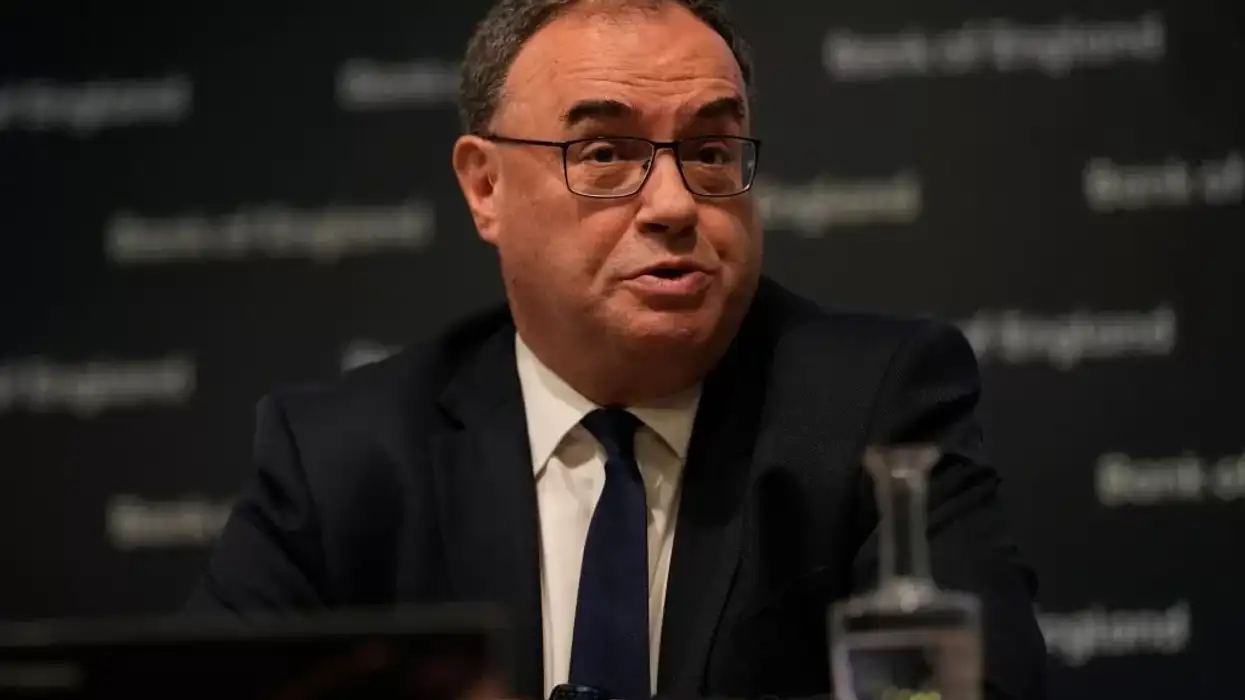
"Inflation is falling and that's good news," BoE governor Andrew Bailey told a press conference.
"We know that inflation hits the least well-off the hardest and we need to make absolutely sure that it falls all the way back to the two-per cent target."
Avoiding recession?
Prime minister Rishi Sunak has set a target of reducing inflation to five per cent by the end of 2023, ahead of a general election next year which his Conservative party is on course to lose.
Responding to the latest rate hike, chancellor of exchequer Jeremy Hunt said in a separate statement: "If we stick to the plan, the bank forecasts inflation will be below three per cent in a year's time without the economy falling into a recession.
"But that doesn't mean it's easy for families facing higher mortgage bills so we will continue to do what we can to help households."
Surging interest rates in the UK have sparked mortgage turmoil as commercial lenders lift their own borrowing costs on home loans, boosting their profits.
In response, the government has launched temporary measures to ease the burden on repayments.
In a bid to cool prices, the BoE began lifting its key interest rate from a record low of 0.1 per cent at the end of 2021, when inflation started to creep higher as economies slowly emerged from lockdowns.
Global inflation worsened in the months after as Russia's invasion of Ukraine fuelled energy and food prices.
UK inflation struck a 41-year peak at 11.1 per cent in October 2022.
At 5.25 per cent, the BoE's interest rate is at the highest level since the global financial crisis in 2008.
The latest UK growth data showed that the economy shrank slightly in May.
(Agencies)