
The weather in the Indian subcontinent is hot and dry, where the countries are facing heatwaves, forecaster recorded the hottest April month in Bangladesh since 1948.
"2024 was the hottest April since 1948 in terms of hot days and area coverage in the country," Bangladesh Meteorological Department senior forecaster Muhammad Abul Kalam Mallik said.
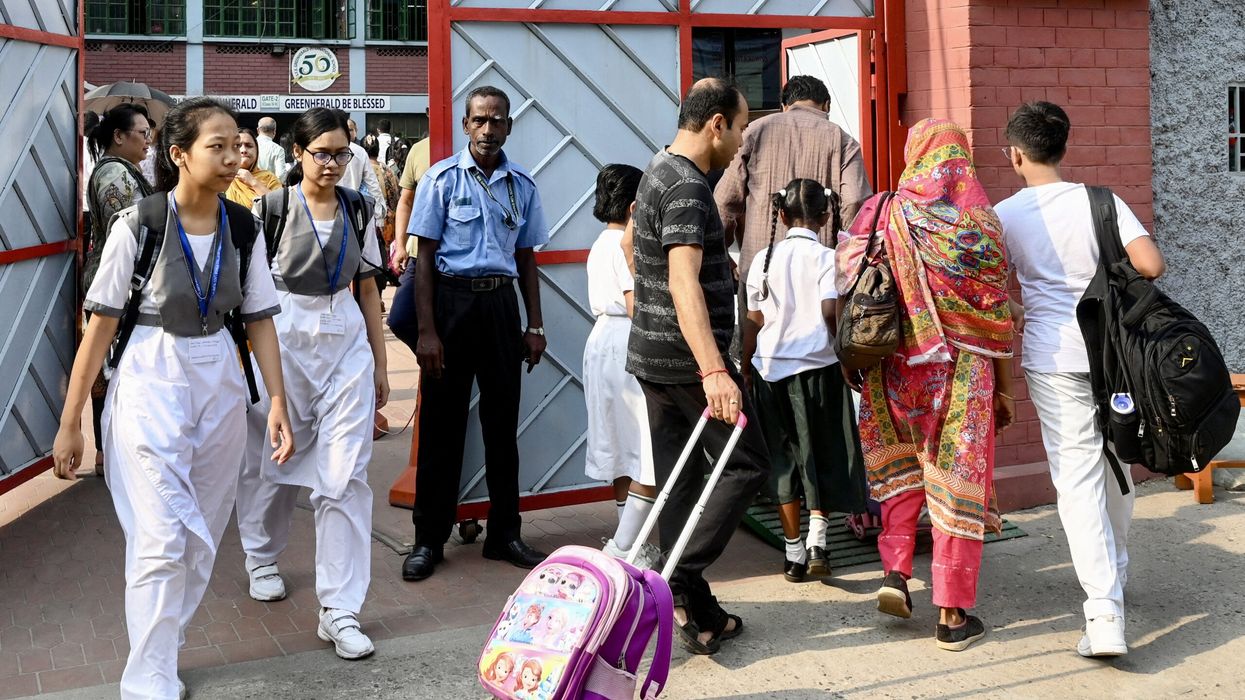
The heatwave has affected the functioning of schools, the authorities have kept the schools closed due to heatwave. The senior forecaster said that the 30-year average daily temperature for April between 1981 and 2010 was 33.2 degrees Celsius, but this year weather stations around the country recorded temperatures of between two and eight degrees higher.
"This year the heatwave covered around 80 percent of the country. We've not seen such unbroken and expansive heatwaves before," added Mallik. He added that Bangladesh had not seen the usual pre-monsoon April thunderstorms which normally cools the South Asian nation ahead of summer.
"Bangladesh gets an average 130.2 millimetres of rain in April. But this April we got an average of one millimetre of rain," he said. Mallik said the bureau was checking data to confirm whether this year marked record low rainfalls for April.