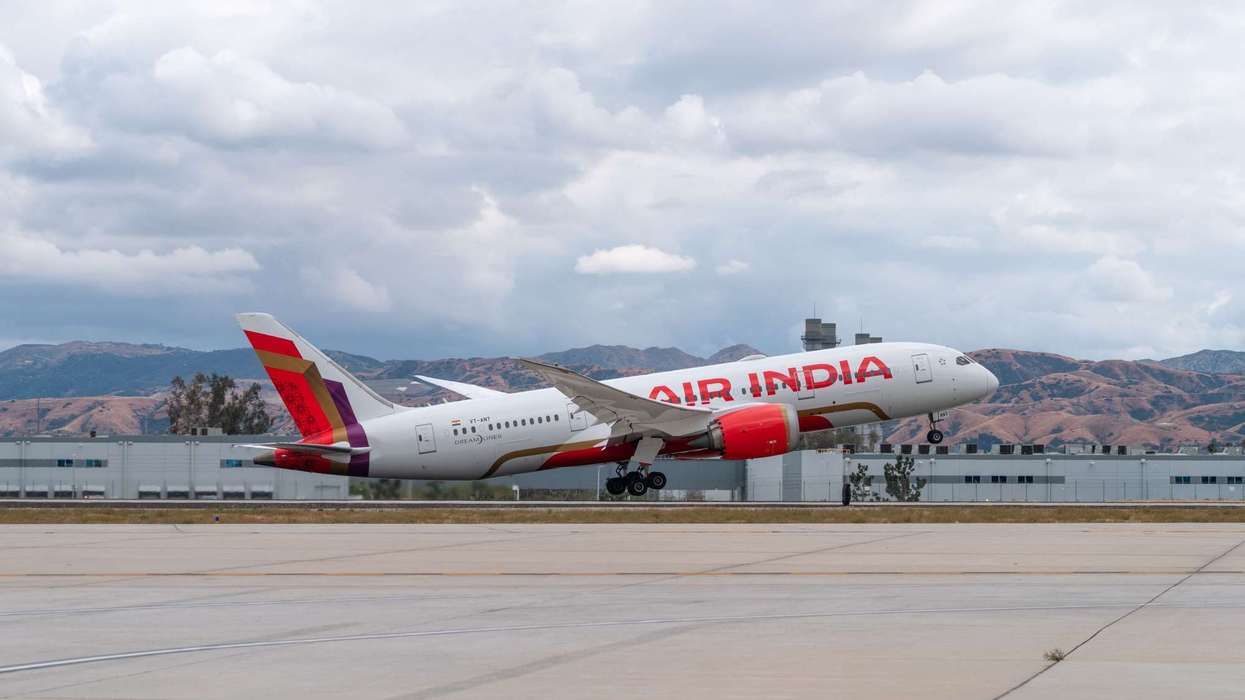

- Air India has identified Rs 3,500 crore in potential savings and achieved around Rs 1,500 crore so far.
- The group is exploring dedicated cargo flights and in-house holiday packages to generate new revenue.
- Air India and Air India Express will share more back-office functions while retaining separate operations and brands.
Air India is targeting Rs 6,000 crore in cost savings as its new chief executive Tewolde Gebremariam steps up efforts to turn around the loss-making airline group.
Addressing employees at a town hall on Wednesday (25), Gebremariam said the group had identified potential savings worth Rs 3,500 crore and had already achieved around Rs 1,500 crore. However, he acknowledged that there was still considerable work to do before the airline could become profitable.
The target comes after a difficult financial year. Air India Group reported a consolidated loss of Rs 22,238 crore for 2025-26, more than double the Rs 10,859 crore loss recorded in the previous year. Revenue also fell, while expenses rose, adding pressure on the airline to improve its financial performance.
Gebremariam, who took charge as CEO and managing director on October 1, wants cost control to become part of the organisation's everyday culture rather than a short-term exercise.
“Cost discipline is not a one-time exercise. It must become part of our culture,” he reportedly told employees, as quoted in a news report.
An 11-member team of senior leaders is overseeing the cost transformation programme, which has also invited suggestions from employees. The initiative has received more than 1,500 ideas on reducing expenditure and improving efficiency.
The airline is looking beyond cost reductions, however. Its wider plan includes improving network planning, strengthening its products and identifying new sources of revenue.
How will Air India and Air India Express work together?
A major part of the strategy involves bringing Air India and its low-cost subsidiary Air India Express closer together.
The two carriers will increasingly operate as one group at the back end, with functions such as finance, human resources and information technology managed more jointly. The move is intended to reduce duplication, improve coordination and limit unnecessary competition between the businesses.
However, the airlines will retain separate Air Operator Certificates and continue to operate as distinct carriers. Customer-facing, operational and regulatory responsibilities will remain separate, with Air India concentrating on full-service travel and Air India Express serving the low-cost market.
The group is also making changes to its senior management structure. Two new positions, Group Strategy Officer and Chief of Training Academy, are being introduced. The training role will bring together the group's flying academy, flight training organisations and technical training activities.
Air India Express CEO Deepak Rajawat will also join the Air India management team, strengthening coordination between the two businesses.
Operational performance is another priority. The airline said it had made progress on on-time performance and baggage handling over the previous three months, but acknowledged that transfer baggage and minimum connection times still needed attention.
Can cargo and holiday packages bring in new revenue?
Air India is also considering businesses beyond passenger flights as it looks to make better use of its network and customer base.
One proposal is to establish a dedicated freighter business to tap opportunities in the air cargo market. The group is also exploring in-house tour operations, including holiday packages that could combine flights with ground-based travel services.
The airline plans to work with the tourism ministry on the initiative. If developed, the business could allow it to earn revenue from both air travel and services at destinations, rather than relying only on ticket sales.
Its network strategy is also being adjusted in response to airspace restrictions and higher fuel costs. More westbound connecting traffic is being routed through Mumbai, while Delhi is expected to handle a greater share of eastbound connections. The group is also evaluating the possibility of strengthening multiple hubs, including in southern India.
Airspace closures have forced Indian carriers to take longer routes on some international journeys, adding to operating costs. Higher fuel prices have made the challenge more difficult for Air India, particularly on long-haul services.
Gebremariam has told employees that the airline cannot control every external challenge, but it can improve its ability to withstand them.
“We can't control the external environment. What we can do is build an airline that is resilient in all conditions, can withstand challenges and continue to succeed. We need to make ourselves stronger every day,” he reportedly said.
The Rs 6,000 crore savings target is a significant part of that effort, but the airline has not publicly specified a deadline for achieving the full amount. Its ability to improve reliability, control costs and generate fresh revenue will determine whether the latest turnaround push can deliver lasting results.




 Several properties have recently joined Sri Lanka's hospitality offering, providing couples with a wider choice of settingspalmpublicrelations


