
Highlights:
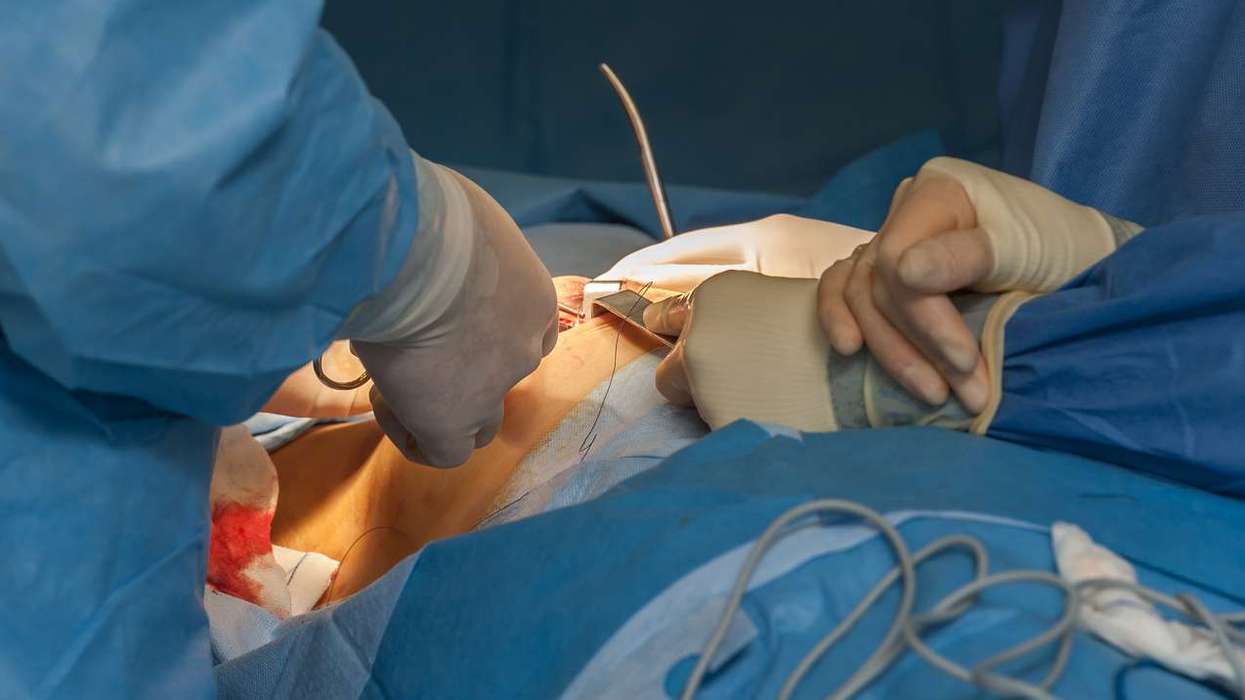
Amir Bhatti, a consultant general surgeon and former Clinical Lead for breast services at County Durham and Darlington NHS Foundation Trust, is at the centre of a growing breast cancer care controversy after a review found serious concerns in hundreds of patient cases, including 20 women who underwent unnecessary mastectomies.
Bhatti’s clinical work has been restricted since 2025, yet he remains employed by the NHS trust and on full pay while the wider investigation continues.
Bhatti also carried out private work and was a director of companies that provided the trust with additional breast diagnostic clinics and operating capacity. His clinical practice was later restricted following concerns linked to the review of the trust’s breast services.
Now, Bhatti is at the centre of one of the most serious breast cancer care controversies to face the trust, but he has not been dismissed. He remains an employee and, according to the High Court judgement, continues to receive his full salary under his employment terms despite being prevented from carrying out clinical work. A current report says he is now on sick leave and remains on full pay.
Question remain the same
The question of why Bhatti continues to receive his salary becomes clearer from the court judgement. The trust did not treat the restrictions as a dismissal or a formal exclusion from employment. Instead, Bhatti was restricted from clinical duties while remaining employed and available for non-clinical work. The trust’s October 2025 decision specifically stated that he could carry out non-clinical duties while continuing to receive full pay in accordance with his terms and conditions of service.
That distinction is now significant because the restrictions followed growing concerns over the breast service. A 2024 review of 694 breast operations carried out by the trust in 2023 found significant deviations from national guidelines and best practice. It also found the trust’s re-excision rate, when further surgery is needed after an initial breast operation, was 30 per cent, compared with a regional average of 15 per cent.
The wider review has since uncovered deeply troubling findings. Twenty women have been identified as having undergone unnecessary mastectomies. Of 514 cases examined in an earlier stage of the review, 315 patients were found to have suffered harm, including 77 cases of significant harm. One patient is known to have died, while other cases involved missed or delayed cancer diagnoses.
Bhatti’s restrictions were introduced in February 2025, initially relating to breast surgery. They were later widened to prevent him from undertaking any clinical practice, including general surgery, outpatient work, ward work and multidisciplinary team duties. The High Court rejected his attempt to overturn the restrictions in May 2026, finding “no serious issue” with the trust’s decisions. He was also ordered to pay the trust’s legal costs.
What the court demands
The court documents also set out the basis of the ongoing investigation. It includes questions over whether certain patients were discharged after inadequate diagnostic samples, whether this contributed to missed or delayed diagnoses, and whether follow-up was appropriate in another case. The investigation was later expanded to examine circumstances involving patients who chose to self-fund private care.
The financial relationship between Bhatti’s private companies and the NHS trust has also come under scrutiny. His companies provided additional diagnostic and surgical capacity to the trust until 2025, adding another layer to questions about governance and oversight.
The trust has apologised to patients and said it has strengthened oversight and made changes to its breast services. Chief executive Steve Russell said:
“There are no words I could use to convey how personally distressed I am,” he said. “What happened was utterly unacceptable.”
Durham Police is involved in the wider investigation, while Bhatti remains subject to the trust’s internal processes. The High Court proceedings did not determine whether he was personally responsible for the wider patient harm identified by the review.
The trust is also considering extending the review further back, potentially bringing thousands more patient records into the investigation.
For now, the unusual situation remains: a surgeon whose clinical work has been restricted over patient-safety concerns remains employed, continues to receive full pay under his terms and conditions, and is now reportedly on sick leave, while the NHS continues examining what happened to hundreds of patients under the breast service.