
- UK card spending fell 0.1 per cent in April, the first annual drop since November 2024
- Travel spending dropped sharply as households cut back on non-essential purchases
- Fuel spending surged 10.4 per cent amid fears of another energy price shock
Britons appear to be tightening their wallets again as fears over the Middle East conflict and rising energy prices begin to weigh on household confidence across the UK.
Fresh spending data from Barclays suggests consumers are already scaling back discretionary purchases, with travel, dining and leisure among the areas seeing the biggest pullback. The figures have added to growing concerns that the UK could be heading into another cost of living squeeze if inflation continues to rise in the coming months.
Barclays, which processes nearly 40 per cent of the country’s credit and debit card transactions, said overall card spending slipped 0.1 per cent in April compared with the same period last year. It marked the first year-on-year decline since November 2024.
Non-essential spending fell 0.3 per cent as households appeared to prioritise essentials and delay optional purchases. Travel spending recorded one of the steepest drops, falling 5.7 per cent in April after declining 3.3 per cent in March. Airline spending alone was down 8.3 per cent.
Spending at restaurants, pubs and bars remained largely flat, suggesting many households are becoming more cautious about eating out as inflation concerns return.
Staying in replaces spending out
While consumers cut back on travel and entertainment outside the home, spending on digital subscriptions and online content rose 9.2 per cent in April. Barclays reportedly said the increase was partly driven by the popularity of television series including Euphoria, The Testaments and The Pitt.
The figures may point to a wider shift in consumer behaviour, with more people opting for cheaper at-home entertainment rather than spending on holidays or nights out.
Essential spending edged up 0.3 per cent during the month, largely driven by rising fuel costs. Spending on petrol and diesel jumped 10.4 per cent, marking the biggest increase since December 2022, when Russia’s invasion of Ukraine triggered sharp increases in global energy prices.
The latest numbers come as businesses and households across the UK brace for potential economic fallout linked to the Iran conflict and renewed instability in energy markets.
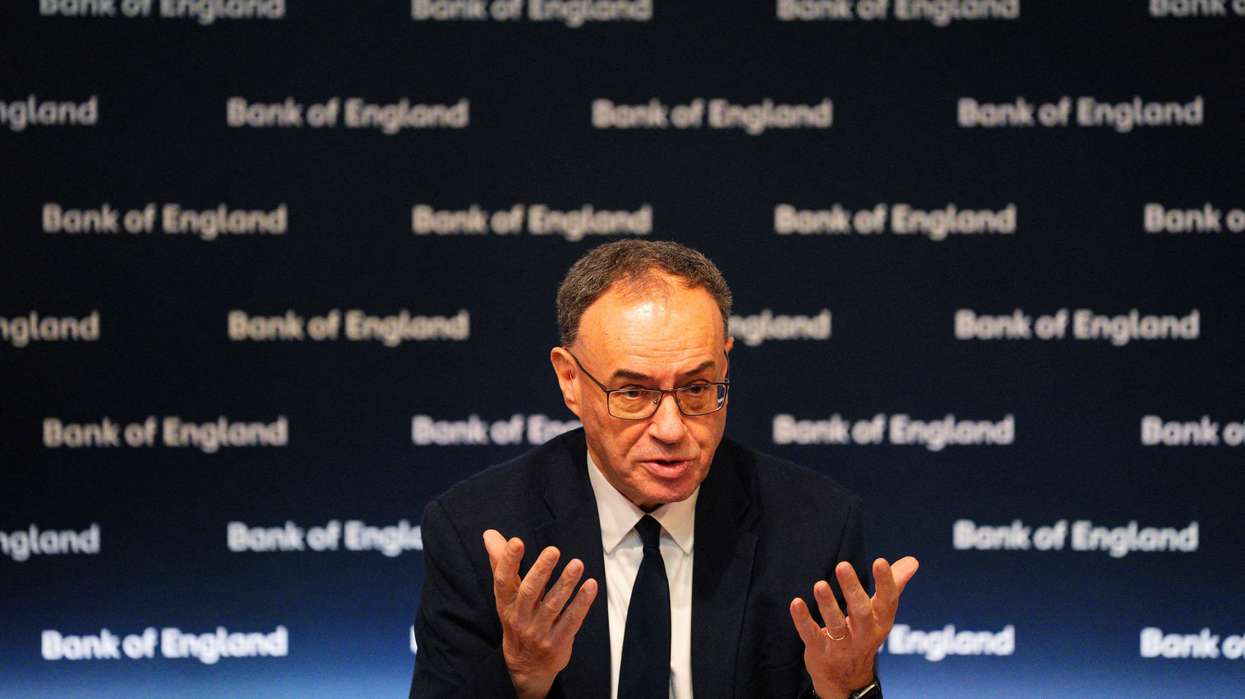
Last week, the Bank of England warned that higher inflation in the UK was “unavoidable” because of the conflict, as quoted in a news report. The central bank reportedly indicated that average household energy bills could climb 16 per cent to around £1,900 by the summer, while food prices may rise 7 per cent by the end of the year.
Confidence weakens as households prepare for higher bills
A separate consumer survey conducted alongside Barclays’ spending data found that 72 per cent of respondents expect tensions in the Middle East to affect their cost of living throughout 2026.
Energy bills, food prices and inflation emerged as the biggest concerns among households surveyed.
Confidence around non-essential spending fell to 49 per cent, its lowest level since March 2023. However, just over half of respondents said they still felt capable of managing day-to-day finances without major stress.
Jack Meaning, chief UK economist at Barclays, reportedly said the biggest uncertainty was how long the current instability would continue. He warned that if consumer confidence remained weak for an extended period, both households and businesses could struggle to cope with the slowdown in spending.
Separate figures from the British Retail Consortium and consultancy KPMG also pointed to softer consumer activity.
Retail sales fell 3 per cent in April compared with 7 per cent growth during the same month in 2025. Food sales dropped 2.5 per cent year-on-year, although analysts noted that the timing of Easter affected the comparison because holiday-related spending fell into March this year.
Helen Dickinson, chief executive of the British Retail Consortium, reportedly said weaker consumer confidence had also contributed to slower sales as concerns over rising living costs continued to affect shopping habits.
Retailers are now hoping that the upcoming World Cup season could help lift spending in the months ahead, with early signs showing increased demand for televisions and sound systems.