
- Meta plans up to $135 billion in AI spending while cutting about 8,000 jobs
- Microsoft is offering buyouts to nearly 7 per cent of its US workforce
- More than 70,000 tech jobs have already been cut in 2026
Companies are pouring billions into artificial intelligence while cutting thousands of jobs, and the pattern is becoming difficult to ignore. At Meta Platforms, around 8,000 roles, nearly 10 per cent of its workforce, are being cut alongside about 6,000 open roles that will no longer be filled. Around the same time, Microsoft said it would offer voluntary buyouts to roughly 7 per cent of its US workforce, affecting more than 8,000 employees.
The backdrop is a sharp rise in AI spending. Meta expects to invest between $115 billion and $135 billion this year, while Microsoft is also committing over $100 billion, largely towards AI infrastructure such as data centres and chips. Inside companies, AI is already doing part of the job. In some Microsoft teams, AI tools are handling close to 30 per cent of coding tasks. Across the sector, more than 70,000 tech jobs have already been cut in 2026 as companies restructure around AI-led operations.
So, this is not just a hiring slowdown. It is a reset in how work is being done and how many people are needed to do it.
The impact is not the same for everyone. Some roles are shrinking faster than others, and some are evolving. The difference comes down to how close your work is to what AI can already do.
Here is how that plays out, and what it means in practice.
1. Repetitive roles are shrinking first
There is a clear pattern across recent layoffs. Roles built on repetition are the easiest to reduce because they follow predictable workflows. Estimates suggest that around 30 to 40 per cent of routine white-collar tasks can already be automated using existing AI tools. That aligns with internal data from companies where AI is already handling a noticeable share of basic coding, reporting and support functions.
This does not mean those roles disappear overnight. What tends to happen is a reduction in team size. If AI can take over a third of the workload, companies no longer need the same number of people doing the same tasks. That is where gradual job cuts begin to show up.
In practical terms, the shift pushes workers towards roles that involve interpretation, judgement and problem-solving. Tasks that go beyond repetition are harder to automate, which is why they are becoming more valuable within organisations.
2. Productivity gaps are widening inside teams
AI is not affecting everyone equally. In some teams, employees using AI tools are completing tasks 20 to 40 per cent faster than those who are not. This gap is becoming increasingly visible in output, deadlines and overall performance.
As a result, expectations are changing. What was once considered a normal pace of work is starting to look slow in comparison. Over time, companies begin to align performance standards with the higher output made possible by AI.
This creates a quiet divide within teams. Those who adapt to AI tools are able to take on more work and higher-value tasks, while others risk being seen as less efficient, even if their actual skill level has not changed.
3. Fewer people are needed for the same output
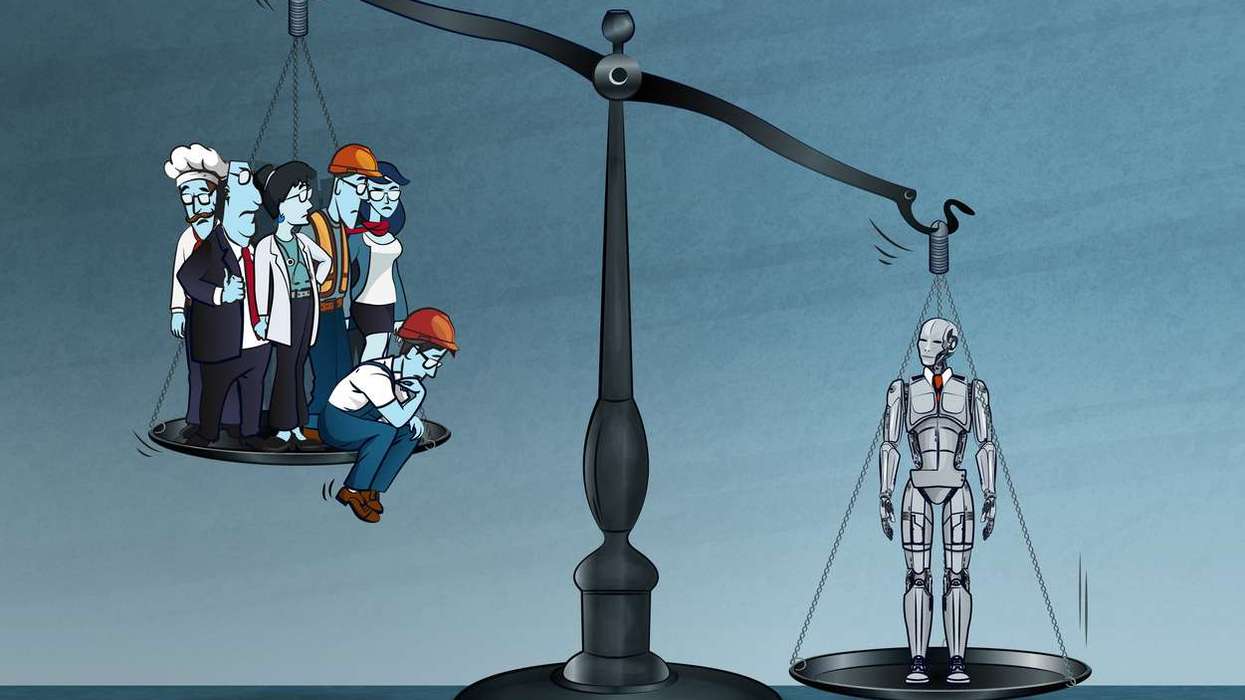
One of the biggest structural changes is the reduction in headcount required to deliver the same level of output. If AI can handle around 30 per cent of certain tasks, companies can operate with smaller teams without reducing productivity.
This helps explain why companies like Meta are cutting about 10 per cent of their workforce while increasing spending elsewhere. The goal is not just cost-cutting but restructuring around a more efficient model of work.
Over time, this leads to a shift in how roles are designed. Instead of multiple people handling smaller parts of a process, fewer individuals are expected to manage larger chunks of work, often supported by AI tools.
 AI replacing human in jobsiStock
4. Specialised knowledge is gaining importance
AI systems perform well on general tasks but still struggle with deep, domain-specific knowledge. This is why roles that require specialised expertise are holding their value better than generalist positions.
In industries like finance, healthcare and regulation, understanding context is critical. While AI can assist with analysis, it cannot fully replace the judgement required in these areas. That makes specialised roles more resilient to automation.
This trend is gradually reshaping hiring patterns. Companies are placing greater emphasis on depth of knowledge rather than broad, general skill sets, especially in areas where mistakes carry higher risks.
5. Output is becoming the main measure of value
 Output is the new measurement in jobsiStock
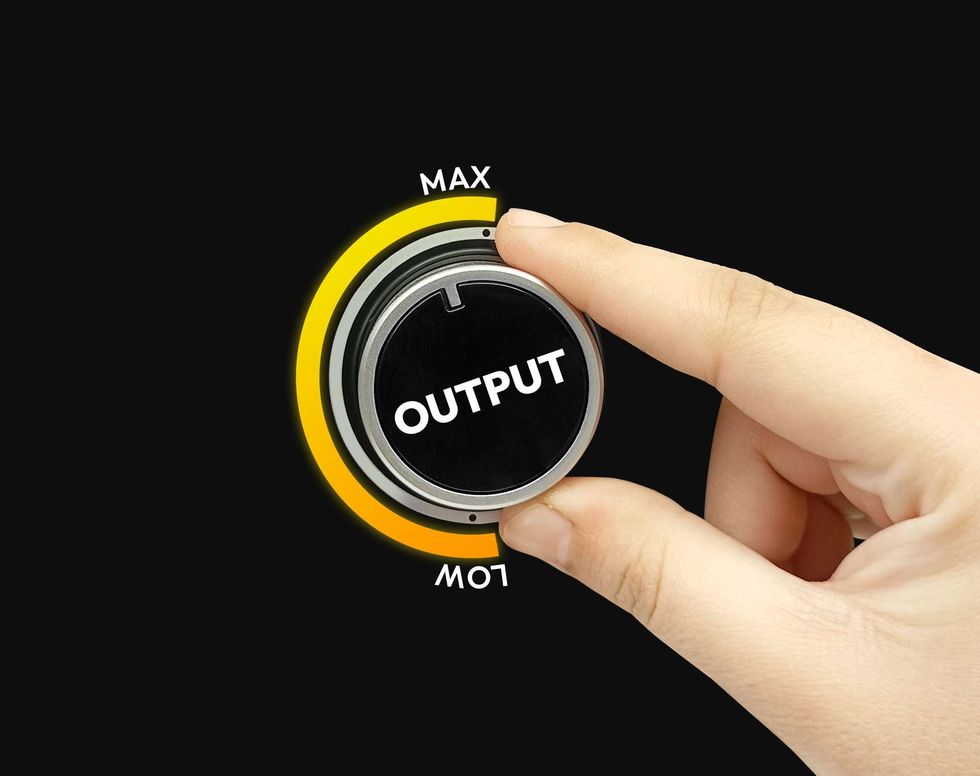
There is a noticeable shift in how performance is being evaluated. Instead of focusing on effort or hours worked, companies are increasingly looking at output. If AI allows one person to produce significantly more, that becomes the new benchmark.
This is particularly evident in roles like coding and content creation, where AI tools can speed up production. Employees who use these tools effectively are able to deliver more within the same time frame.
As expectations rise, the difference between average and high-performing employees becomes more pronounced. Output is easier to measure, and companies are beginning to optimise around it.
6. Visibility is becoming as important as skill
One of the quieter shifts inside companies is not just who performs well, but who is seen to perform well. As teams shrink and output expectations rise, managers are making decisions faster and often based on visible impact rather than effort behind the scenes.
In leaner teams, fewer people are handling more responsibility. That means the difference between staying and being cut is not always skill alone, but whether your contribution is clearly visible in outcomes. This becomes even more relevant when AI tools are making baseline performance easier to achieve.
In practical terms, professionals are starting to focus more on communicating their work, showing measurable impact and staying closer to decision-making layers. In a system where fewer roles exist, being unnoticed is becoming a bigger risk than being average.
7. The safest roles are getting closer to revenue
One of the clearer patterns across layoffs is where cuts are happening and where they are not. Roles that are further away from revenue, such as support functions or internal operations, are being reduced faster. Roles tied directly to revenue, growth or core product are holding stronger.This is partly because AI is making it easier to automate internal processes, but much harder to replace roles that directly bring in money or drive business outcomes.
When companies are under pressure to become more efficient, they tend to protect functions that directly impact revenue.This is quietly changing how roles are valued inside organisations. Positions linked to growth, strategy or measurable business impact are becoming more secure, while roles that are seen as support are being questioned more closely.