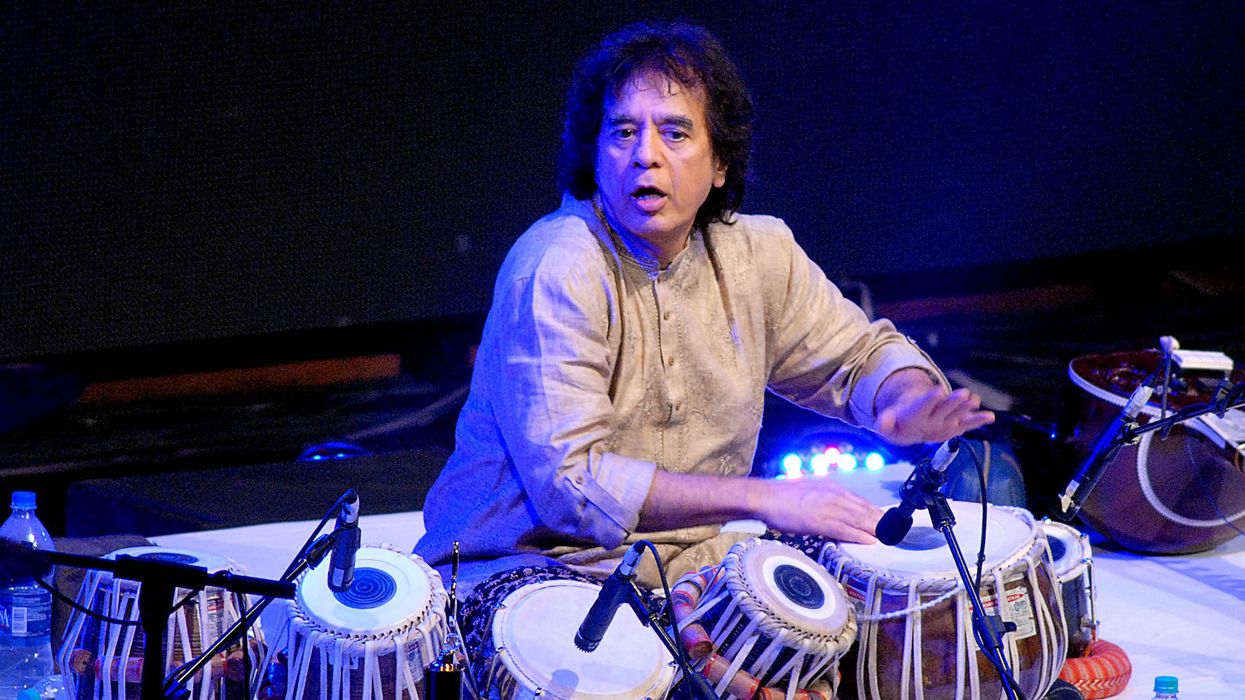

ZAKIR HUSSAIN, renowned for his mastery of the tabla and his influential contributions to Indian classical music, has died at the age of 73.
He passed away in a San Francisco hospital due to complications from idiopathic pulmonary fibrosis, a chronic lung disease, his family said in a statement.
Hussain, the eldest son of legendary tabla player Ustad Alla Rakha, began his career as a child prodigy. By the age of 12, he was already performing professionally, accompanying Indian classical musicians. At 18, he started touring internationally, earning acclaim for his solo performances, collaborations, and efforts to elevate the tabla’s global recognition.
His collaborations included work with artists such as George Harrison, cellist Yo-Yo Ma, and jazz musician Herbie Hancock. Over his career, Hussain received seven Grammy nominations and won four, including three this year, according to the Grammy website. He was also honoured with the Sangeet Natak Akademi Award, India’s highest artistic recognition.
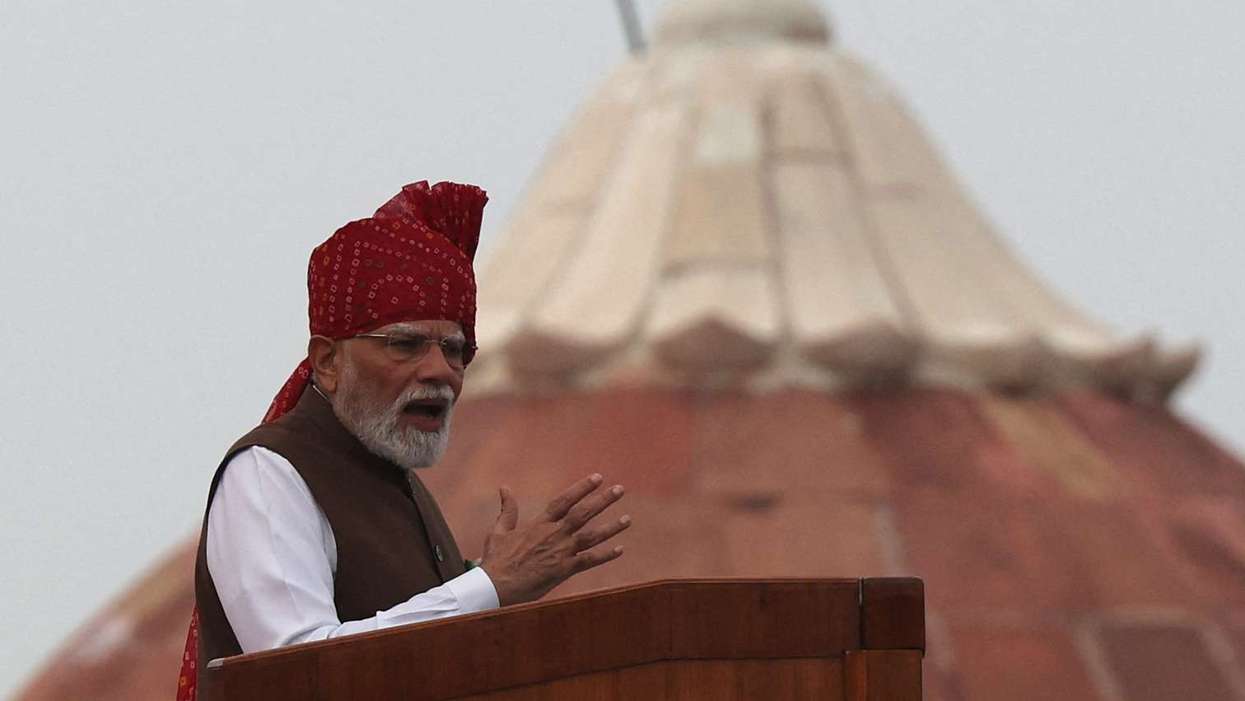
Indian prime minister Narendra Modi paid tribute, saying Hussain would be remembered as a "true genius who revolutionised the world of Indian classical music" and brought the tabla to the global stage. Fellow musician Amjad Ali Khan, a renowned sarod player, said Hussain would "continue to bring the house down in the heavens."
Deeply saddened by the passing of the legendary tabla maestro, Ustad Zakir Hussain Ji. He will be remembered as a true genius who revolutionized the world of Indian classical music. He also brought the tabla to the global stage, captivating millions with his unparalleled rhythm.…
— Narendra Modi (@narendramodi) December 16, 2024
Born in Mumbai, then Bombay, in 1951, Hussain grew up in a musical family under the guidance of his father, Ustad Alla Rakha. He moved to the United States in 1970 and later co-founded the fusion band "Shakti" with British guitarist John McLaughlin. Earlier this year, the group won a Grammy for Best Global Music Album for their record This Moment.
Hussain often spoke of his deep connection with the tabla. In an interview with the Press Trust of India last year, he described it as a “mate, a brother, a friend,” adding, “I cannot imagine that I can exist without it. It motivates me to get up in the morning and say, ‘hello.’”
(With inputs from agencies)