The collaboration between India and the UK in various fields like research is significant and will help the people of two countries prepare for the future, India's top diplomat to the UK has said.
Leaders from business, politics and academia debated the "future of organisations" at Imperial College Business School as part of the annual joint conference between the colleges Gandhi Centre for Inclusive Innovation and the All India Management Association (AIMA).
Issues around privacy, the impact of automation on labour, protectionism and the role of government in planning for advances in technology were among the key topics of discussion yesterday.
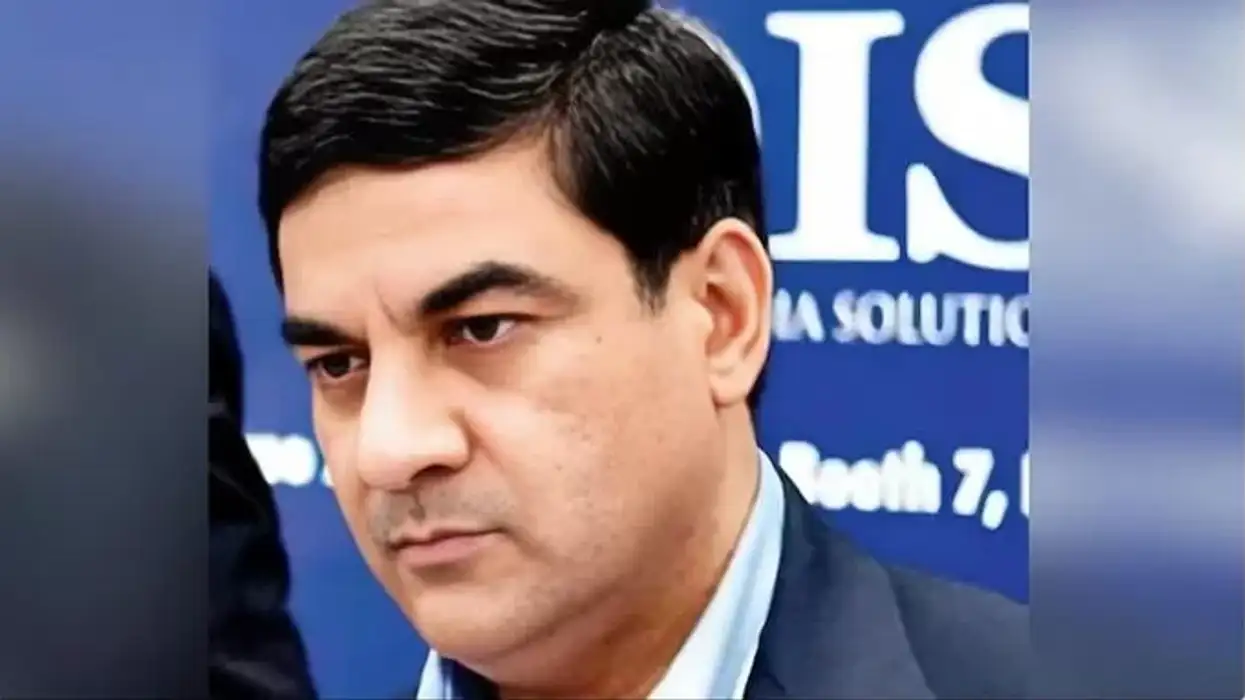
"Collaboration between the UK and India is particularly significant. What we forget sometimes is whats happening across the board, whether its combatting malaria, developing solar batteries or creating a framework on cyber cooperation. This sort of collaboration will help our people prepare for the future," said YK Sinha, Indian High Commissioner to the UK.
The Dean of Imperial College Business School, Professor Francisco Veloso, highlighted the long-standing ties of the institution with India and its academic collaborations with the country.
"Imperial College London is a leading international university, and our links to India are very important to us. Every year, we welcome dozens of students from India to our programmes, we develop cross-country research and enterprise projects, and we are very fortunate to have a variety of Indian faculty among our ranks," he said.
In the last five years, Imperial College researchers have collaborated on more than 1,200 research papers with colleagues in India, including from IIT Delhi, IISc, the Tata Institute for Fundamental Research, Panjab University, Delhi University and Visva Bharati University.
T V Mohandas Pai, president of AIMA, highlighted the role of technology in further enhancing these collaborations.
"I think the world is going to be shocked by the pace of technological change over the next decade or so," he said.