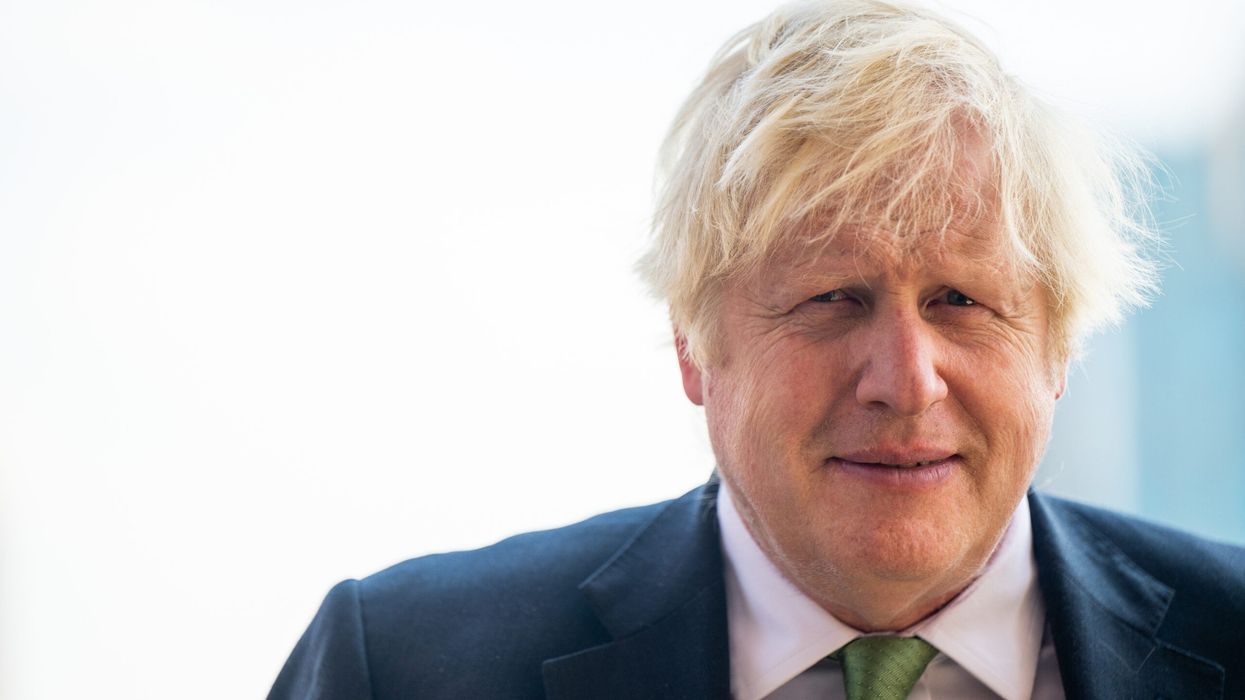

WE DON’T hear very much these days about Boris Johnson making a comeback to 10, Downing Street.
He has decided making money is the better option. Boris earned £4.8 million in five months after leaving office as prime minister, mostly for speaking at events and for securing a deal to write a memoir.
After his job as a Daily Mail columnist, he has now signed up to join GB News. I don’t actually know anyone who has watched this TV channel where Boris will be a presenter, programme maker and commentator.
He will “play a key role” in coverage of the UK and US elections next year and host a series “showcasing the power of Britain around the world”, the broadcaster said.
He is the latest Conservative politician to join the GB News, following former business secretary Jacob Rees-Mogg, party deputy chairman Lee Anderson, and husband-and-wife MPs Esther McVey and Philip Davies.
In a video posted on X (formerly Twitter), the former prime minister announced: “I am excited to say that I am shortly going to be joining you on GB News. I’m going to be giving this remarkable new TV channel my unvarnished views on everything from Russia, China, the war in Ukraine, how we meet all those challenges.
“I will be talking about the immense opportunities for Global Britain – as well as the challenges – and why our best days are yet to come.”
I know Boris, a former colleague, to be a talented journalist. He can also be an engaging personality. However, it is one thing to be well paid, another to taken seriously.
Like Lord William Hague, he would have commanded greater respect had he returned to the Daily Telegraph.
Once, at a Hinduja Diwali party, he said to me: “We Telegraph people should stick together.”
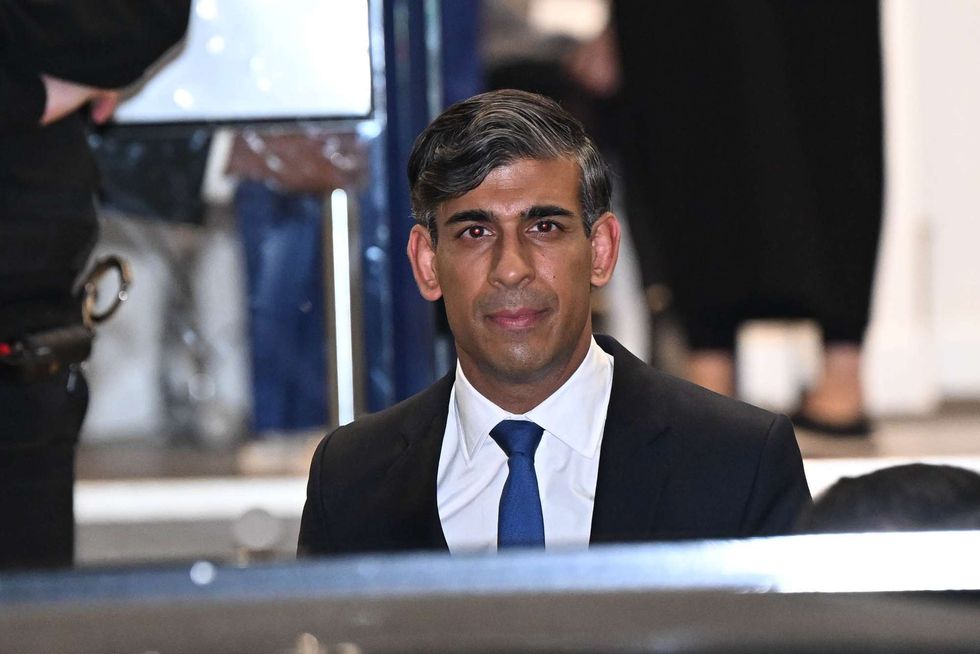
I assume at GB News he will not exactly bend over backwards to help Rishi Sunak’s reelection. Boris holds Rishi responsible for his ouster, but the real story appears to be a lot more complex. Guto Harri, who was Downing Street director of communications, has revealed that Boris was planning to sack Rishi as his chancellor.
Winston Churchill once said history would judge him kindly, because he would be the one doing the writing – which he did. And he got a Nobel Prize for literature for his books.
Boris, I think, is a more gifted writer. Is he being wise in his choice of jobs?
Maybe like Michael Portillo, he could wear colourful clothes and prove a better presenter than a politician.

 Rishi SunakLeon Neal/Getty Images

