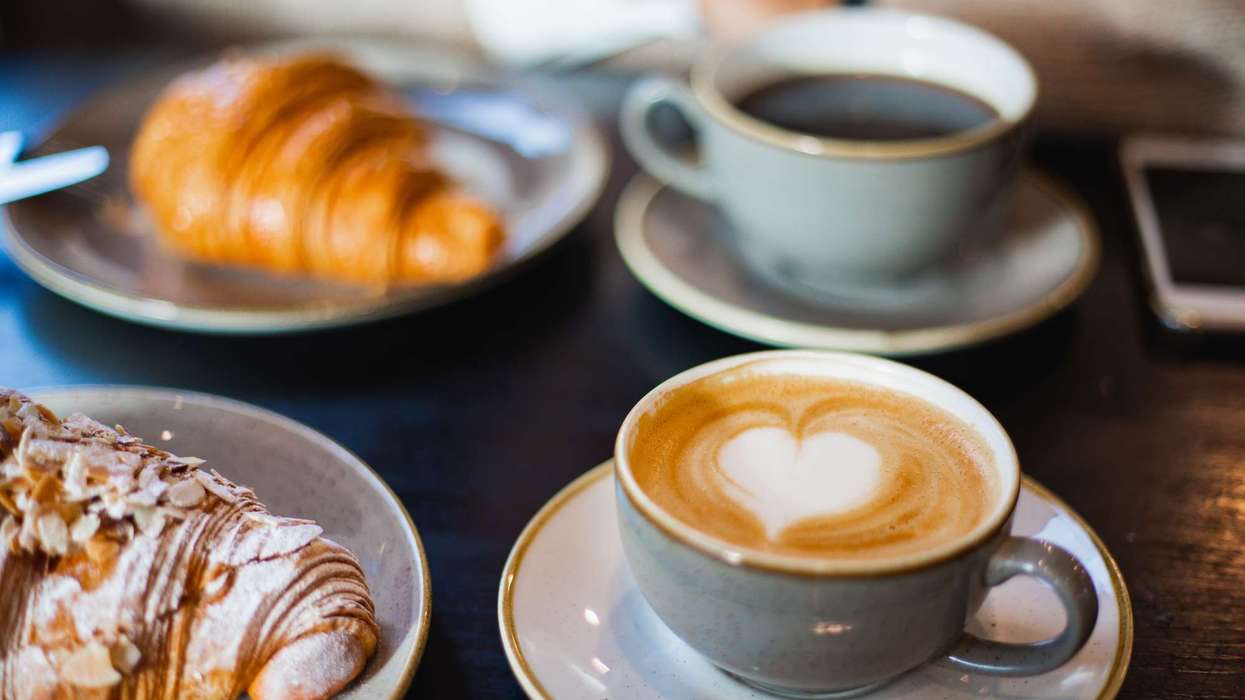

- A medium cappuccino from Costa contains 325mg of caffeine, almost three-and-a-half times more than the same drink at Starbucks.
- Caffe Nero's cappuccino now has around double the caffeine it did in 2023, according to the study.
- Matcha drinks also vary a lot between chains, with Costa's version containing the most caffeine.
Grabbing a coffee on your way to work seems like a simple enough choice, but a new study suggests your regular order might be giving you a lot more, or a lot less, caffeine than you realise. And nowhere is that gap wider than between Costa and Starbucks, two chains you would probably assume serve up more or less the same cup. Consumer group Which? says the difference is actually enormous, and worth paying attention to, especially if you are someone who has been told to watch their caffeine intake, including during pregnancy.
The research looked at drinks sold by Caffe Nero, Costa Coffee, Greggs, Pret A Manger and Starbucks, comparing caffeine levels across some of the most popular orders on the menu. And the headline finding is a genuine eyebrow raiser. A medium cappuccino from Costa comes in at 325 milligrams of caffeine. The same drink from Starbucks contains just 89mg, which means Costa's version has almost three-and-a-half times more caffeine. Which? reckons that is roughly the same caffeine hit as four cans of Red Bull, all in one cappuccino.
Costa tops the charts almost everywhere
It is not just cappuccinos where Costa pulls ahead. Its espresso shot contains 100mg of caffeine, compared with just 45mg at Starbucks. Its flat white comes in at 241mg, again nearly three times higher than Starbucks's 89mg. Greggs and Caffe Nero also serve stronger cappuccinos than Starbucks, at 235mg and 221mg respectively, but Costa still comes out on top across the board.
What is interesting is how these numbers have shifted over time. Costa's figures for cappuccinos and espresso shots have barely changed since Which? last carried out this research in 2023. Caffe Nero, though, has seen a big jump, with its cappuccino now containing roughly double what it used to. Starbucks remains the chain serving the least caffeine overall, but even its numbers have crept up, across espressos, cappuccinos and filter coffees, over the past three years.
Even matcha lovers are not safe
It is not just coffee drinkers who need to pay attention here. Matcha, the green tea powder drink that has become something of a high street staple in recent years, also showed big differences between chains. Costa's hot matcha latte had the highest caffeine content at 99mg, followed by Starbucks at 57mg, while Pret's version had noticeably less, at 28mg.
Jessica Carson, Which?'s health and wellbeing expert, reportedly said there is nothing quite like a strong cup of coffee to start the day, but added that even matcha drinkers could be taking in more caffeine than they bargained for. As quoted in a news report, she said caffeine content "varies wildly from chain to chain," and advised anyone who drinks several cups a day, or who needs to cut back for health reasons, to think carefully about where they shop and what they order, to avoid any unwanted side effects.
A spokeswoman for Costa said the company is committed to helping customers make informed choices, adding that caffeine and nutritional information is available across its menu and online so people can pick drinks that suit their needs. She also pointed out that Costa offers decaffeinated coffee and a range of drinks without caffeine and noted that caffeine levels in coffee naturally vary depending on factors like the blend, the recipe and the size of the serving.
So next time you are standing between a Costa and a Starbucks trying to decide where to go, it might be worth remembering that the cup in your hand could pack a very different punch depending on which one you pick.