
Highlights
- Friday the 13th has long been associated with bad luck, although its origins remain unclear.
- Norse mythology, Christian tradition and historical events are among the stories linked to the superstition.
- The fear of the date has two clinical names, while the next Friday the 13th after November 2026 will fall in August 2027.
Friday the 13th has a reputation for being unlucky, with some people avoiding travel, delaying important decisions or taking extra precautions whenever the date appears on the calendar.
The superstition returns on November 13, 2026, marking the third Friday the 13th of the year, following dates in February and March. Although the origins of the belief are uncertain, several myths, religious traditions and cultural references have helped keep it alive.
The fear of Friday the 13th is known as paraskevidekatriaphobia or friggatriskaidekaphobia. Both terms describe an intense fear of the date.
The myths and stories behind Friday the 13th
One explanation often linked to the superstition comes from Norse mythology. According to the story, Loki arrived uninvited at a gathering of 12 gods, becoming the 13th guest. His mischief led to the death of Baldur, one of the gods.
Another account comes from Christian tradition. The Last Supper is said to have had 13 people present, with Judas Iscariot, who later betrayed Jesus, traditionally identified as the last guest to arrive. The crucifixion took place on a Friday.
The arrest of the Knights Templar is also sometimes connected to the date. On Friday, October 13, 1307, King Philip IV of France ordered the arrest of members of the religious military order.
However, these stories are not established as the historical origin of the Friday the 13th superstition. The precise beginnings of the belief remain uncertain.
How Friday the 13th became part of popular culture
The number 13 has long been treated as unlucky in some cultures. One familiar example is the absence of a 13th floor or room number in certain hotels and hospitals, although not every building follows the practice.
The superstition also appeared in literature. Thomas W. Lawson's 1907 novel Friday, the Thirteenth follows a stockbroker who exploits people's fear of the date to manipulate the stock market.
Italian composer Gioachino Rossini is also said to have feared Friday the 13th. He died on November 13, 1868, which fell on a Friday. He was born on February 29, 1792, another unusual calendar date.
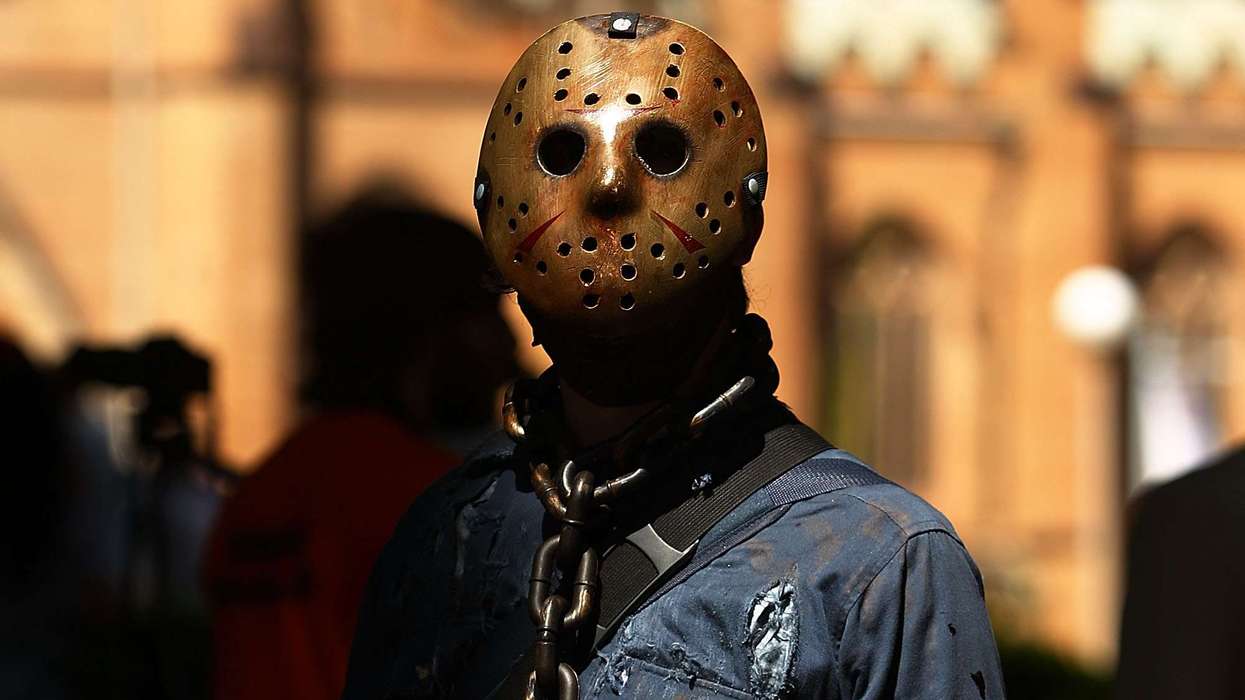
The superstition gained a lasting place in popular entertainment with the 1980 horror film Friday the 13th. The slasher movie introduced audiences to Jason Voorhees, who became one of the best-known figures in horror cinema.
When is the next Friday the 13th?
November 13 is the final Friday the 13th in 2026. The next one will fall on August 13, 2027.
Every calendar year has at least one Friday the 13th, while no year has more than three.
The date has also coincided with real tragedies. November 13, 2015, was a Friday when coordinated terrorist attacks in Paris killed 130 people, including 90 at the Bataclan concert hall. The attacks were a tragic historical event, rather than evidence of the superstition surrounding the date.