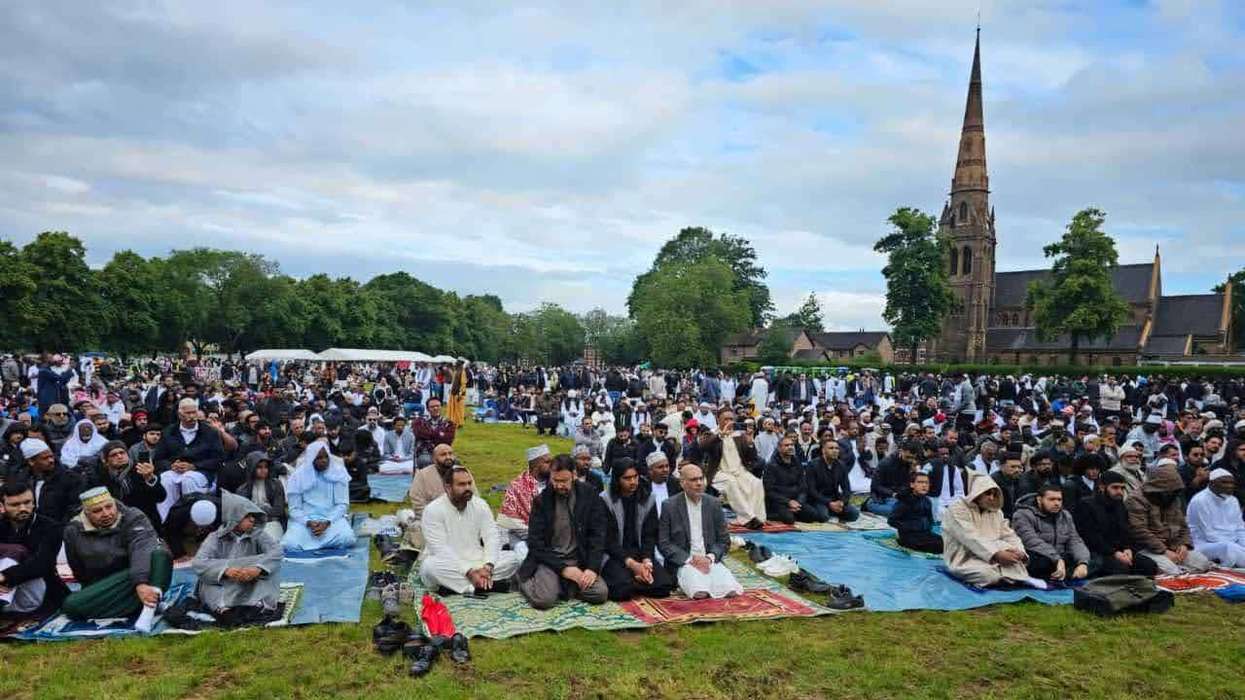

AS WE gather to celebrate Eid al-Adha, sharing food and quality time with those we love, we are reminded of how fortunate so many of us are to be able to break bread together and celebrate in comfort. At the same time, millions of Muslims are gathering in Makkah, completing Hajj, the sacred pilgrimage that reminds us of our common dignity and unity as humanity.
Between 2023 and 2024, 7.5 million people in the UK lived in food poverty. That’s 11 per cent of the population unable to obtain adequate quality or sufficient quantity of food. When we’re gathering with our friends and neighbours and sharing food this Eid, we must think of those in our communities who aren’t as fortunate.
As an MP serving my constituency of Manchester Rusholme, I am all too aware of the struggles many families face because of the high cost of living.
It’s because of these families I hear from week in, week out that I’m committed to fighting this and helping families find a way through these difficult times.
That’s why I’m proud to have scrapped the two child benefit cap - a policy that disproportionately affected Muslim children - and why I’m proud that an estimated 100,000 children will be lifted out of poverty through the expansion of Free School Meals to all families on universal credit.
My constituency is overwhelmingly home to young people and those living on the brink of poverty. We’ve needed urgent action to help the youngest in our communities struggling with food insecurity, and I’m delighted that a primary school in my constituency is one of the first to receive a Free Breakfast Club. This is a landmark programme that aims to give children the best start they can get. In 2023, 18 per cent of children in the UK lived in low food poverty. We’re changing that one free breakfast at a time.
Alongside government strategy, we’ve also seen powerful responses from communities. With charity, community and generosity sitting at the heart of our faith, we all know the profound, positive impacts Muslim communities make across our nation, and working to tackle food poverty is just one example. This Ramadan, recognising the scale of the problem, Islamic Relief UK distributed food packs through 37 different food banks, mosques and other local organisations - its biggest UK food distribution project to date.
The generosity of Muslims is widely documented - especially our commitment to giving to charity on the days of Eid. Globally, Muslim charitable giving is worth $600 billion a year. That’s four times as much as the G7 aid budget. Muslims are playing a part in creating stronger, more compassionate communities.
We must not let that be forgotten or go uncelebrated.
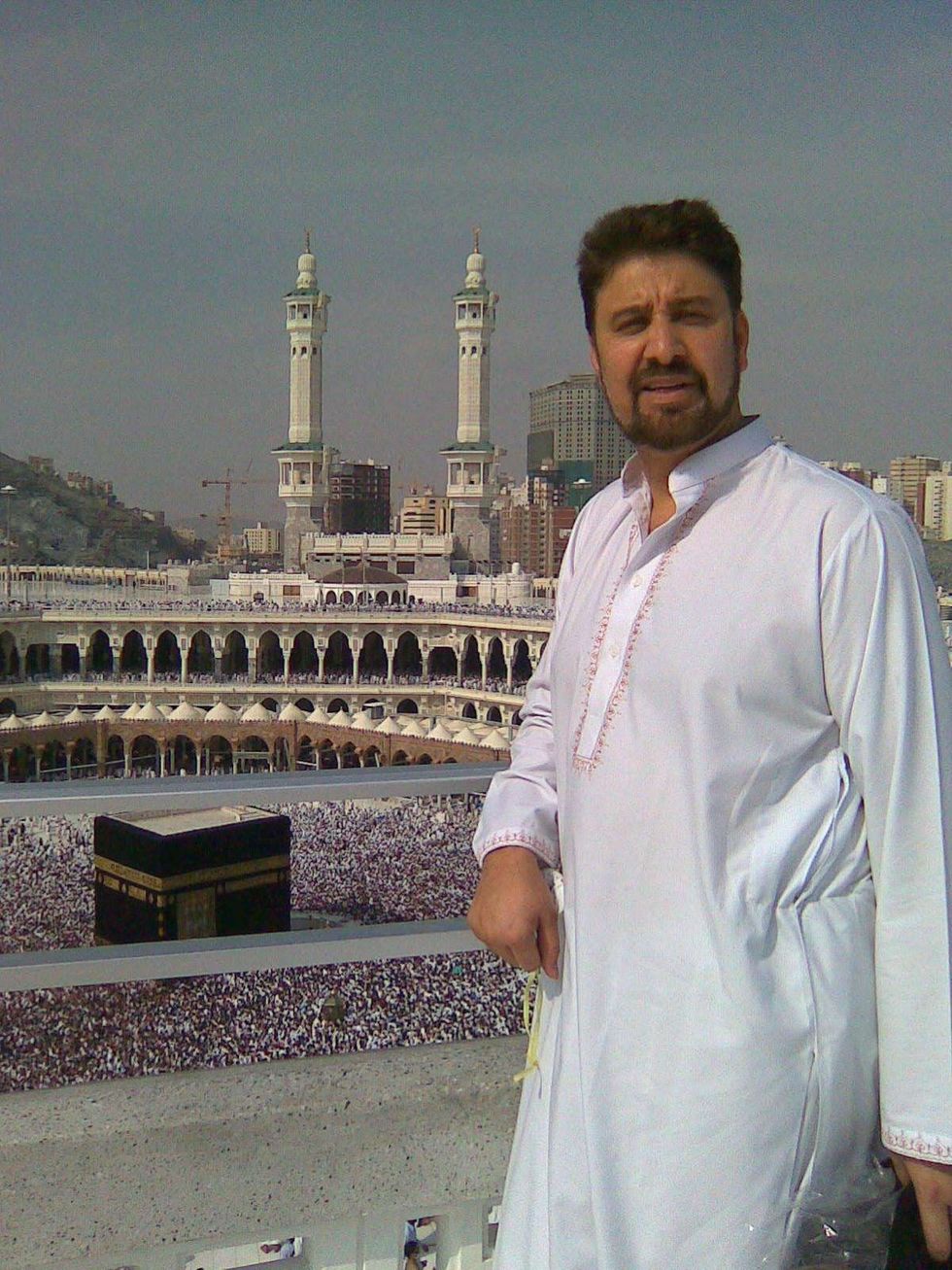 Afzal Khan in Makkah Eastern Eye
Charity helps create strong communities, but we also need to make them sustainable. Through the Crisis & Resilience Fund, the government is not only helping support those on low incomes who experience financial shocks, but it’s also helping create resilient communities through investment, creating strong networks that will help communities flourish for years to come. The role of mosques and community centres in partnering with this work cannot be understated. As community hubs, they play a vital role in strengthening networks and relationships, and generously serving those around with hospitality and hope.
During Eid al-Adha celebrations, we remember the Prophet Ibrahim’s (may peace be upon him) willingness to sacrifice his son and come together to support our community with acts of charity and compassion. We also remember those Muslims who are performing the sacred pilgrimage of Hajj, a profound spiritual experience that I have been fortunate to complete three times. During my own experience, I was reminded of the importance of patience and generosity even under physically demanding circumstances. The transformational experience of Hajj reframed my day-to-day view of the world and our responsibility to others. Getting to know other pilgrims from different backgrounds, and experiencing camaraderie with them, I was also reminded that faith is not lived in isolation: it calls us to live in community with one another.
Ultimately, human dignity begins with meeting each other’s basic needs. Eid al-Adha reminds us of this through the symbolic act of sharing food, but this compassion shouldn’t just last for a day. Flourishing communities are built through continual generosity, meaningful acts of service and sustained relationships that are focused on the long-term betterment of all.
As we celebrate Eid al-Adha and this holy month of Dhul Hijjah, may we find encouragement in Prophet Ibrahim’s (may peace be upon him) spirit of trust and sacrifice. May we remember that we do not live in isolation, but in a wider society that we can shape for the better. As we share food, may we look beyond our own tables to the wider communities around us, realising the role we can play in making them more just, more resilient. In doing so, we carry the message of unity, generosity and trust from this holy month into the world around us.
(The author is the MP for Manchester Rusholme and was elected in 2017. In Parliament, he has served as the UK’s Trade Envoy to Türkiye, and he has held various shadow ministerial positions, including for exports, legal aid, and immigration. Previously, Khan was a Member of the European Parliament and was the first Muslim Lord of Mayor of Manchester. He was awarded a CBE for his work on community cohesion, inter-faith, and local government.)