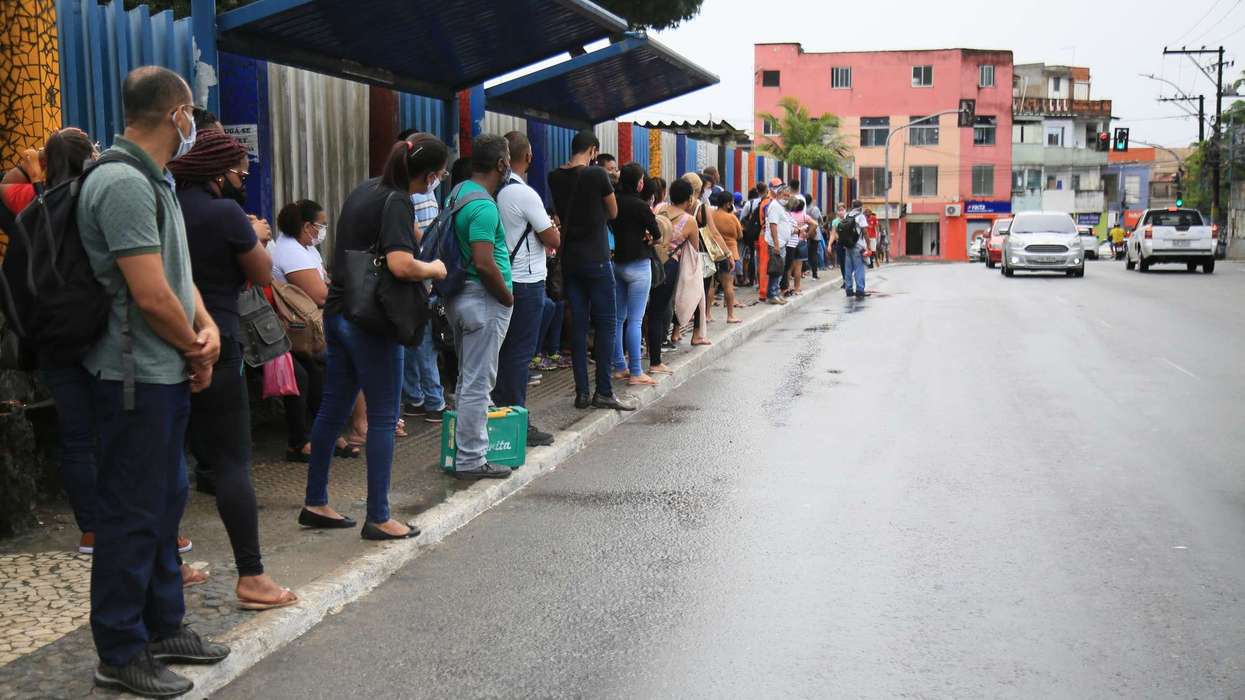

- Around 1,500 Unite union members at Arriva North London are striking for four days from Tuesday over unbearable cab temperatures.
- Drivers say their compartments can hit 40°C, and have reported heatstroke, fatigue and near misses because of the heat.
- More than 40 bus routes across the capital will be affected, with ten more strike days planned up to mid-October if the row is not settled.
London bus drivers are walking off the job this week, and the reason comes down to something most commuters have been complaining about too: the heat. Around 1,500 drivers working for Arriva North London are staging a four-day strike starting Tuesday, after a long-running row over just how hot it gets inside their cabs during the summer months.
According to the drivers, temperatures inside their compartments can climb as high as 40°C, and it is not just uncomfortable, it is genuinely dangerous. Some have reported heatstroke, fatigue and even near-miss incidents behind the wheel because of the extreme conditions. This comes as the UK finds itself in the middle of its fifth heatwave of the summer, with the country on track for its warmest one on record. London itself hit 38.1°C earlier this month, and the UK's Health Security Agency estimates nearly 3,000 excess deaths occurred in May and June alone because of the hot weather.
What the drivers actually want
The dispute, led by the trade union Unite, boils down to one main issue: air conditioning, or the lack of it. Most buses run by Arriva North London are fitted with air-cooling systems rather than proper air conditioning, and according to Unite, these only knock a few degrees off the temperature, nowhere near enough when it is already boiling outside. The union wants Arriva to install full air conditioning across the fleet, and until that happens, drivers say they are not backing down.
More than 40 routes across the capital will be hit by the walkout, with drivers striking from garages in Barking, Edmonton, Enfield, Grays, Palmers Green, Stamford Hill, Tottenham and Wood Green. Commuters in these areas should expect significant disruption. This is not even the first attempt at a walkout either. A three-day strike had originally been planned for last Wednesday but was called off while both sides kept talking. Those talks led to a new offer from Arriva, but union members voted it down, saying it simply did not go far enough to deal with the heat problem.
Sharon Graham, Unite's general secretary, reportedly said London bus drivers do "a vital job," but are being put at risk because of "appalling conditions." She added that Arriva "can fully afford to make meaningful changes" that members would accept, and warned that strike action will continue until that happens, with drivers having "the full backing of Unite."
More strikes could follow if nothing changes
This week's action will not be the end of it if the dispute drags on. Unite has lined up ten further strike dates between now and mid-October, meaning Londoners could be facing repeated disruption to bus services right through the autumn unless a resolution is reached soon.
Lorna Murphy, director of buses at Transport for London, reportedly acknowledged that any disruption to the bus network can have a real impact on passengers, and said TfL is working closely with Arriva to help people get around during the strikes. She advised anyone travelling through the affected areas to plan ahead, allow extra time for their journey, and check updates through the TfL Go app or website before setting off, adding that TfL is "sorry for any disruption" the strikes may cause.
Arriva London, for its part, said it was disappointed the strike is going ahead at all, pointing out that five out of eight of its north London garages did not vote in favour of industrial action. A spokesperson said the company has "already reached agreement with Unite officials on every demand," and is still trying to understand what concerns remain among the three garages that did vote to strike. They added that staff and customer wellbeing "will always be our highest priority," and that measures have already been introduced this summer to help drivers cope with the heat, alongside ongoing investment in air-conditioning upgrades across the London fleet. Arriva also said it is part of an extreme weather task force set up by TfL alongside other bus operators, and that "meaningful progress" is being made through that group to find longer-term solutions.

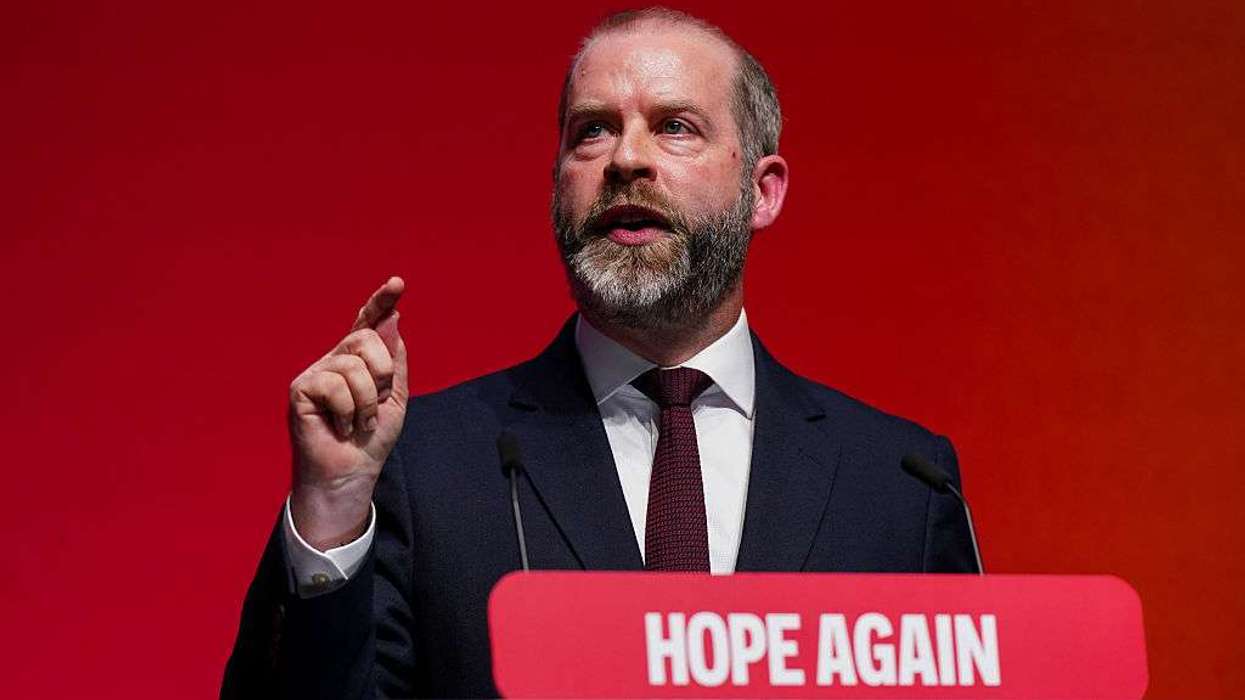
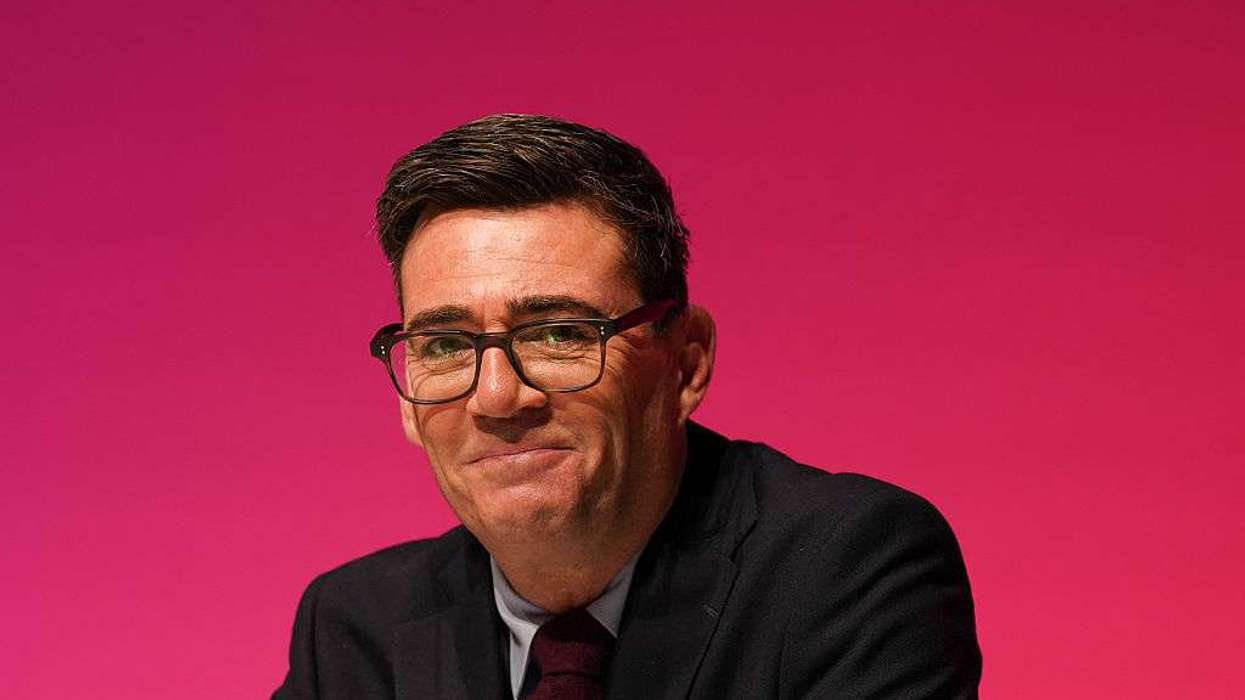 Andy Burnham attends the opening speeches on the first day of the Labour Party Conference at Liverpool Experience Campus on September 27, 2026 in Liverpool, England. (Photo by Ian Forsyth/Getty Images)